Busan’s Taxi Gourmet Guide Redefines Local Tourism Through Streetwise Flavor
A new food guide in Busan features 28 eateries recommended by long-time taxi drivers, offering a grounded and local view of the city’s culinary identity.

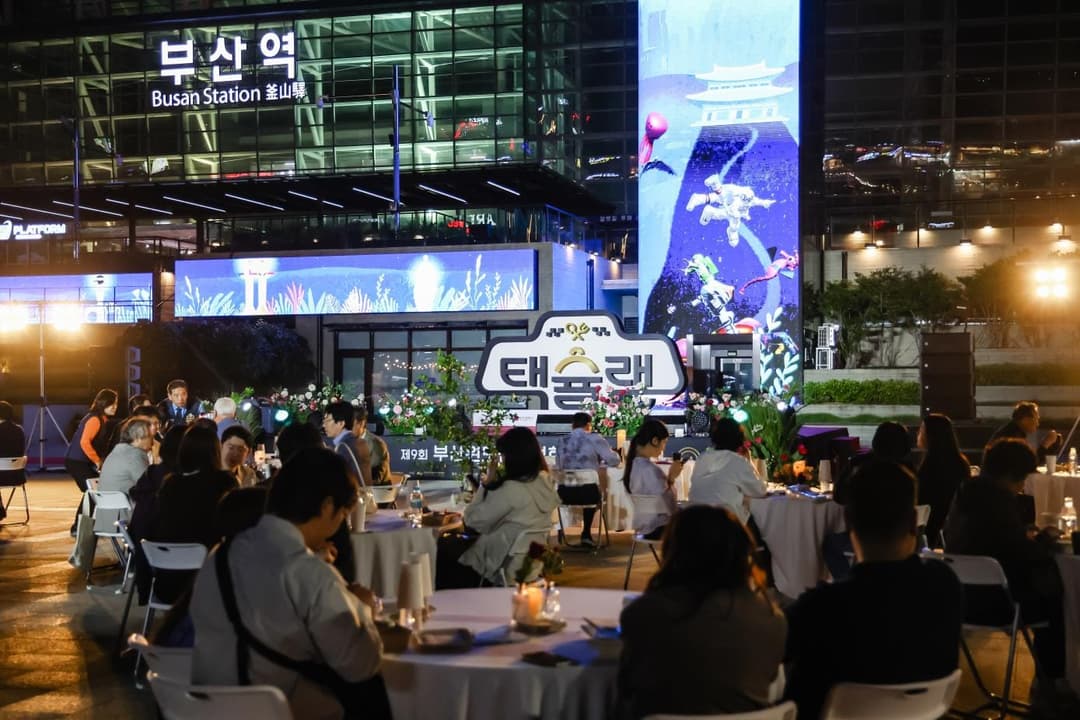
Busan, South Korea — A local culinary event is taking an unconventional approach to food curation by asking a trusted group of professionals not typically associated with fine dining: taxi drivers. As part of Busan’s annual Old Downtown Revitalization Festival, the city has released its latest edition of the Taxi Gourmet Guide — a compilation of 28 eateries personally recommended by over 200 veteran taxi drivers with more than a decade of experience navigating the city.
In Korea, taxi drivers hold a particular kind of local authority. Beyond transporting passengers, they observe the rhythms of daily life from behind the wheel: the changing lunch crowds, the queues forming in narrow alleyways, the kitchens that open early for workers and close late for regulars. In a country where “Where do taxi drivers eat?” is a serious question for travelers seeking authenticity, this guide turns that question into a public, curated experience.
The selected restaurants span Busan’s four original downtown districts — Jung-gu, Dong-gu, Seo-gu, and Yeongdo — areas rich in urban history but often overlooked in favor of the city’s newer coastal developments. These neighborhoods, once the heart of Busan’s economic and social life, have in recent years become the focus of cultural regeneration efforts. Rather than reinventing the space, the Taxi Gourmet Guide reintroduces it, through food and memory.
The list includes dishes that lean toward the comforting and familiar: Korean-style hamburger steaks, pork soup, thick wheat noodles in chilled broth, and seafood stews heavy with shell and spice. The usual suspects — such as Korean-style raw fish eateries that often symbolize the city’s cuisine to outsiders — are notably absent. What remains is unmistakably local, distinctly unpolished, and proudly enduring.
Each eatery is assigned one or more driver-awarded badges that reflect real-world dining priorities: “Dongbaek Star” for top picks, “Wheels Gourmand” for scenic routes or views, “Night & Nosh” for places ideal with drinks, and “Solo Friendly” for solo diners seeking comfort without formality. These categories are not about luxury or prestige but about everyday reliability and affection — the places drivers return to, again and again.
The festival runs during the final weekend of May, transforming the guide from print into lived experience. Participants can join themed walking tours that pair historical sites with food stops, or reserve a ride in a Taxi Gourmet Tour, where the drivers themselves serve as guides to their favorite haunts. A special collaborative menu, co-created by one of the featured restaurants and a local chef with fine dining background, will be unveiled at the festival’s opening ceremony, showcasing a new dish that bridges everyday food and culinary creativity.
Available in both Korean and English, the Taxi Gourmet Guide includes essential details like opening hours, addresses, signature dishes, and the reasons each spot was chosen. For international visitors, it serves not only as a food map but also as a cultural translation — an entry point into the way locals live, eat, and relate to place.
The project offers a modest example of how cities might approach local tourism and storytelling differently. By drawing on the everyday knowledge of taxi drivers and recognizing their role in daily food culture, Busan presents an alternative to more formal or expert-driven narratives. It suggests that a city’s character can also be found in the small, repeated choices people make — where they eat, how they share, and what they return to.
For anyone seeking an honest taste of Busan, the best recommendation might come from someone who knows where to go when they’re hungry — and where to return.
Continue this reporting
Reporting on the same issue
Related coverage selected from the article's desk, topics and newsroom relationships.
 NewsSep 28, 2026
Why Some Commercial Space in Busan Is Hard to Reuse
Two empty commercial spaces exposed to the same broader economy can have very...
 NewsSep 20, 2026
What It Takes for U.S. Navy Repair Work to Become a Busan Industry
HJ Shipbuilding has brought U.S. Navy maintenance work to Yeongdo. Whether it...
 NewsSep 17, 2026
Busan’s Finished Homes, Unfinished Projects
Busan’s unsold homes sit in one monthly total, but they belong to very differ...
More from the author
More from this byline
Stay with the same line of reporting through more work from this byline.
 NewsApr 23, 2026
Gaza photo exhibition opens at Busan’s Arise Art Space
 NewsNov 10, 2025
Busan Fireworks Festival Marks 20 Years With Expanded Show
Reader Signal
Community readWhat did this report leave you with?
Choose the signal that best reflects your reading. Select it again to remove it.
One response per article
No response selected
A moderated conversation about the reporting.
One-level replies and newsroom moderation keep the conversation anchored to this article.
Discussion Status
Open
Please sign in to join the discussion.
Newsletter
Weekly reporting and context from Busan and Korea.