Busan’s Job Program: A Temporary Fix or a Long-Term Failure?
Busan’s new job initiative promises 350 jobs with a 7.4 billion won budget. But will it create real, sustainable employment or just repeat past failures?

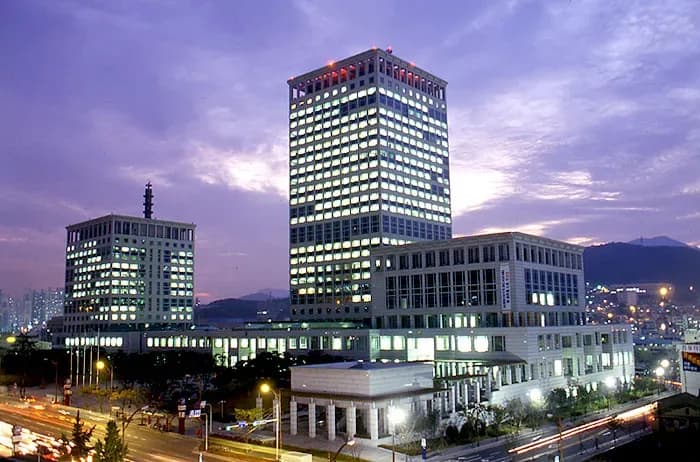
Busan, South Korea - With a grand announcement, the Busan city government has unveiled its latest employment initiative, the Busan Regional Specialized Job Program, which promises to create 350 new jobs across nine districts. The plan is backed by KRW 740 million, a figure that might seem substantial on paper but, in reality, is spread so thinly that its effectiveness is already in doubt.
While the city presents this as a step toward tackling unemployment, closer scrutiny reveals that the jobs being created are neither sustainable nor capable of improving Busan’s economic landscape.
The structure of the program exposes its fundamental shortcomings. The focus remains on low-wage service jobs and temporary employment rather than investing in industries that could offer long-term security and economic growth. Many of the job categories listed under the initiative have little potential to evolve beyond short-term contracts, limited earning potential, and an eventual return to unemployment. The selection of job sectors, rather than addressing the structural deficiencies in Busan’s job market, appears to have been made for the sake of boosting employment numbers without considering whether these jobs will still exist in five or ten years.
One of the main concerns is the preference for service-sector roles that have historically failed to provide stable incomes or career progression. The city intends to train people as hotel service specialists, but this sector is already saturated with low-paying, temporary positions that are vulnerable to economic fluctuations and automation. Similarly, the plan to create facility maintenance and environmental management jobs offers little in the way of long-term financial security. These roles, often filled on a contract basis, do not lead to career advancement or job retention, leaving workers in a cycle of temporary employment with no clear path forward.
Beyond the service industry, the initiative also includes job training in areas that do not align with Busan’s economic strengths or future growth potential. One such example is the “Busan Pet Creator” entrepreneurship program, which, while reflecting a growing interest in pet-related businesses, does not align with the core industries that could drive real economic transformation in the city. Rather than investing in technology, logistics, or manufacturing, which are critical to Busan’s role as a global port city, the focus has been placed on niche business ideas that lack scalability or the ability to absorb large numbers of job seekers.
Similarly, the development of senior employment programs appears more like an attempt to fill low-skilled job vacancies rather than create meaningful economic opportunities for older workers. The introduction of a caregiving workforce program may provide short-term employment, but it does not address the broader issue of aging workers needing jobs with longevity, financial stability, and career adaptability. The initiative to train “active senior environmental managers” similarly falls short of tackling the more pressing issue of workforce aging by failing to provide avenues for mid-career professionals to transition into new, sustainable industries.
Some of the more technical roles outlined in the program—such as the training of refrigeration and air conditioning technicians under the materials and components industry initiative—have greater potential for long-term employment. However, the problem remains that these positions are not connected to broader industry growth strategies or long-term economic plans for Busan. Without partnerships with major employers, structured career pipelines, or a commitment to workforce integration, even these technically skilled jobs risk becoming yet another cycle of short-term training programs that fail to guarantee actual job placement.
Busan’s economic potential has always been tied to its strategic location, industrial capacity, and maritime infrastructure, yet the initiative fails to capitalize on these strengths. A port city of its scale should be investing in smart logistics, automation, and renewable energy integration within its shipping and manufacturing sectors. Instead of focusing on future-proofing the local economy, the city has turned to traditional, low-paying service jobs that fail to build a foundation for long-term prosperity.
The amount of money allocated to this program makes its limitations even clearer. With KRW 740 million spread across 350 jobs, the actual investment per worker is so minimal that it barely covers initial training, let alone ensures a stable salary or employment guarantee.
The funding is insufficient to support anything beyond basic job training and temporary work placements, and the lack of long-term employer commitments or integration into growth industries only exacerbates the program’s weaknesses.
While the city government may highlight these numbers as proof of its commitment to employment, the reality is that these policies are simply a repetition of past mistakes. Busan has previously attempted similar job creation programs that provided momentary employment relief without addressing the fundamental structural issues in the local labor market. The reliance on short-term government subsidies rather than sustainable job creation models has left many workers cycling through employment programs rather than securing permanent positions.
A different approach is necessary—one that does not merely count how many people are placed into jobs today, but considers whether those jobs will exist years down the line. Instead of funneling limited resources into temporary service roles, Busan should be working to attract high-value industries, establish stronger partnerships with corporations, and support workers in building careers rather than surviving paycheck to paycheck.
The current job initiative, despite its promises, fails to address the larger economic reality facing Busan. Without significant changes, the city will continue to struggle with high turnover, talent flight, and economic stagnation—regardless of how many job announcements are made each year.
Editorial Context
"Independent journalism relies on radical transparency. View our full log of editorial notes, corrections, and project dispatches in the Newsroom Transparency Log."
Reader Pulse
The report's impact signal
Be the first to provide a reading pulse. These collective signals help our newsroom understand the impact of our reporting.
Join the discussion
A more thoughtful conversation, anchored to the story
Atlantic-style discussion for this article. One-level replies, editor prompts, and moderation-first participation are now powered directly by Prisma.
Discussion Status
Open
Please sign in to join the discussion.
The Weekly Breeze
Independent reporting and analysis on Busan,
Korea, and the broader regional economy.