Busan Fishing Village Folk Museum Opens Special Exhibition on Jaecheop Culture
The Busan Fishing Village Folk Museum’s new exhibition, “Jaecheop, Holding the Memory of Busan”, explores the cultural and ecological history of freshwater clams in the Nakdonggang River.


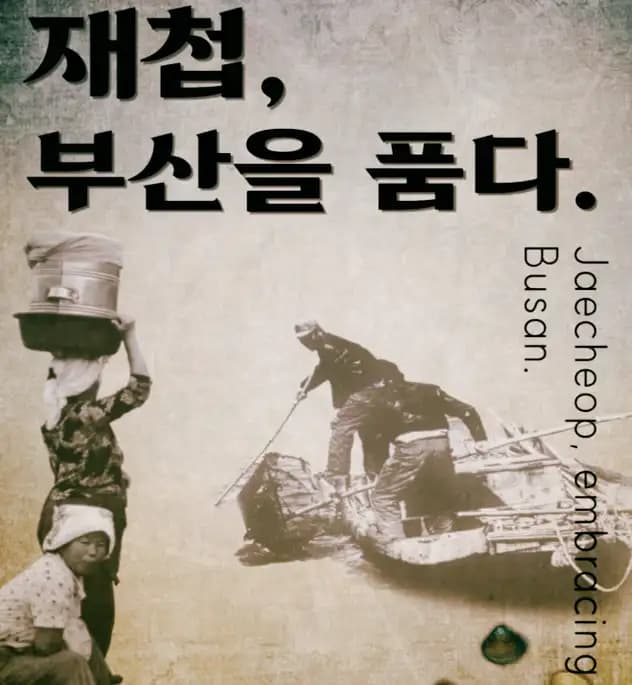
Busan, South Korea — The Busan Fishing Village Folk Museum will open a special exhibition, “Jaecheop, Holding the Memory of Busan” (original title: “재첩, 부산을 품다”), from May 23 to December 21, 2025. The exhibition examines the role of Jaecheop, a freshwater clam once abundant in the Nakdonggang River, and its place in the city’s environmental history and everyday life.
For much of the 20th century, Jaecheop was a familiar presence in Busan. It was part of the river’s ecosystem and part of the city’s diet. The clams were collected using tools and techniques that had been developed locally—simple, manual methods that matched the tidal conditions of the river and supported small-scale fishing households. In many homes, Jaecheop-guk, a light soup made from the clams, was a regular dish. It was not regarded as special, but it was steady and dependable, part of the background of life.
The exhibition documents how these practices were sustained not only by those who fished the river, but also by the women who cooked and sold the soup in neighborhoods across the city. Known as Jaecheop-guk Aji-mae, these vendors—mostly middle-aged or elderly women—walked through markets and alleys with large pots of soup, serving workers, students, and passersby. The work was informal and physically demanding. It was rarely recorded, but it was recognized by those who saw them every day. The exhibition includes photographs, recorded interviews, and objects collected from their families. These materials offer a record of a kind of labor that supported both household economies and neighborhood routines, even if it rarely appeared in official histories.
The decline of Jaecheop in the Nakdonggang River began in the 1980s and accelerated over the following decades. Pollution, river modifications, and changes in sediment patterns reduced the clam’s habitat. Overfishing and loss of tidal flats further contributed to the decline. By the early 2000s, Jaecheop was no longer being harvested in Busan in any significant volume. Alongside the environmental loss came the disappearance of the related occupations, routines, and food customs that had been built around it.
In response to these changes, restoration efforts are now underway. The exhibition presents current projects involving the city government, local researchers, and environmental organizations working to improve water quality and reintroduce Jaecheop to parts of the Nakdonggang. These efforts include scientific studies, sediment rehabilitation, and community-led education. While the ecological challenges are complex, the exhibition frames restoration not only as an environmental issue but as a cultural one, raising the question of how a lost practice might be remembered, reinterpreted, or revived.
Throughout the exhibition, the focus remains grounded in the everyday. Rather than presenting Jaecheop as a forgotten tradition, it is shown as something that once belonged to daily life—visible in routines, tastes, and relationships. The exhibition avoids nostalgia, but it allows space for recognition. For many visitors, the material on display may be familiar: a type of net used by a parent, a bowl of soup once served by a grandmother, a street corner that no longer smells like broth. In that sense, “Jaecheop, Holding the Memory of Busan” functions not only as an archive, but as a way of reintroducing something that was once ordinary.
The exhibition will run through the end of the year at the museum’s main gallery in Buk-gu. Admission is free, and the museum offers additional programming, including guided tours and talks with researchers and local participants. More information is available through the Busan Fishing Village Folk Museum website.
Continue this reporting
Reporting on the same issue
Related coverage selected from the article's desk, topics and newsroom relationships.
 NewsOct 16, 2026
What Is Still Worth Going to See?
Busan’s biennale faces questions of artistic judgment and institutional care....
 NewsOct 14, 2026
What Became of Busan’s University Streets?
From 2015 to 2023, registered businesses grew near Pusan National University...
 NewsOct 12, 2026
Bukangi, the Shark That Stayed in Busan’s North Port
A rescue net guided Bukangi toward the sea, but the dusky shark returned to B...
More from the author
More from this byline
Stay with the same line of reporting through more work from this byline.
 NewsApr 23, 2026
Gaza photo exhibition opens at Busan’s Arise Art Space
 NewsNov 10, 2025
Busan Fireworks Festival Marks 20 Years With Expanded Show
Reader Signal
Community readWhat did this report leave you with?
Choose the signal that best reflects your reading. Select it again to remove it.
One response per article
No response selected
A moderated conversation about the reporting.
One-level replies and newsroom moderation keep the conversation anchored to this article.
Discussion Status
Open
Please sign in to join the discussion.
Newsletter
Weekly reporting and context from Busan and Korea.