Busan and Hamburg Strengthen Ties with Port Redevelopment Collaboration
The City of Busan has taken a significant step towards fostering collaboration with Hamburg, Germany, in port redevelopment projects. On May 6, the city announced the signing of a Memorandum of Understanding (MOU) between the Busan City Consortium, Busan Port Authority, and HafenCity Hamburg GmbH. This groundbreaking agreement, signed during the 834th Hamburg Port Anniversary, aims to enhance cooperation and support between the major port redevelopment projects in Busan and Hamburg. South Korea


The City of Busan has taken a significant step towards fostering collaboration with Hamburg, Germany, in port redevelopment projects. On May 6, the city announced the signing of a Memorandum of Understanding (MOU) between the Busan City Consortium, Busan Port Authority, and HafenCity Hamburg GmbH. This groundbreaking agreement, signed during the 834th Hamburg Port Anniversary, aims to enhance cooperation and support between the major port redevelopment projects in Busan and Hamburg.
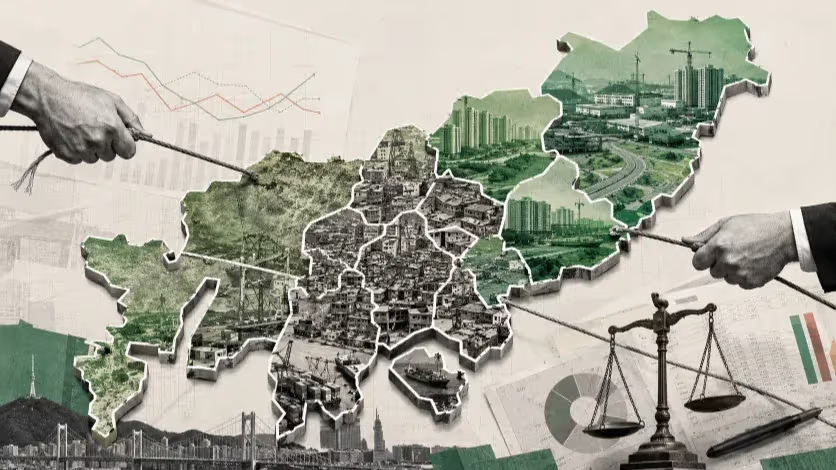
South Korea's largest port redevelopment project, the Busan North Port Redevelopment, and Europe's most extensive port redevelopment project, the HafenCity Project in Hamburg Port, will benefit from the MOU. Both cities will exchange information on policies and projects in their respective port redevelopment areas, fostering friendly cooperation, human exchange, and knowledge sharing.
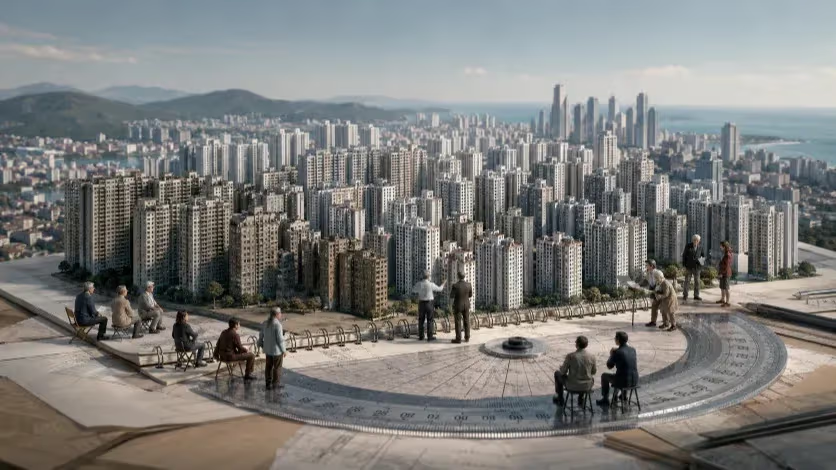
Hamburg, Germany's largest port city, is currently undertaking the HafenCity Project, an ambitious plan to transform a former trade port into a modern, vibrant urban area by 2030. With a total budget of approximately 18 trillion won, the project will create new cultural landmarks, including maritime museums, Miniature Wonderland, and coffee museums.
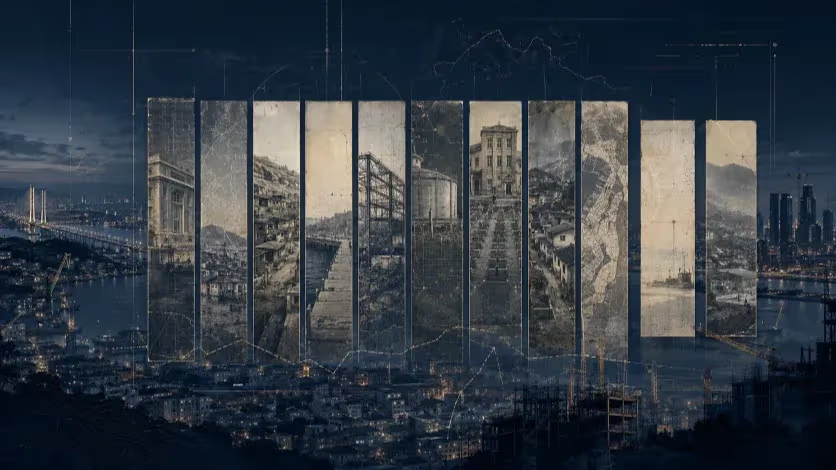
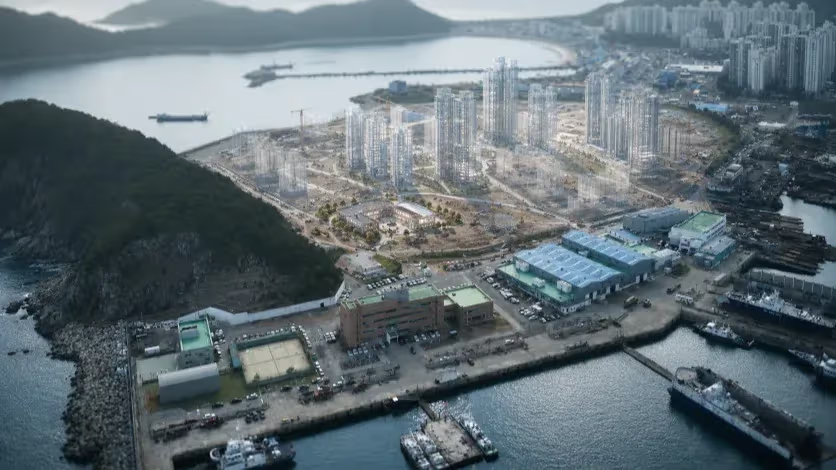
Busan's North Port Redevelopment project shares many similarities with the HafenCity Port Redevelopment, as both are large-scale initiatives aimed at revitalizing port areas. The MOU will enable both cities to learn from each other's experiences in addressing challenges such as infrastructure development, land use planning, and cultural resource regeneration.
In a further effort to strengthen ties between the two cities, Mayor Park invited Hamburg to participate in the upcoming Busan International Architectural Festival. Held every two years since 2001, the festival showcases the architecture, history, and values of outstanding cities worldwide. Mayor Park hopes that Hamburg's presence at the event in September will inspire Busan residents and foster greater appreciation for the HafenCity Project's significance.
Following the MOU signing, representatives from both cities visited key urban regeneration facilities in HafenCity, including the HafenCity Info Center and the Speicherstadt Kaffeeroesterei. During the visit, they discussed potential collaboration opportunities and shared insights into the ongoing North Port Redevelopment project.
Mayor Park Heong-joon expressed his enthusiasm for the MOU, emphasizing that it lays a solid foundation for ongoing and meaningful cooperation between Busan and Hamburg in port redevelopment. He also shared his vision for the Busan North Port to become "Asia's gateway to the world," mirroring Hamburg Port's status as the "Gate to the World."
Editorial Context
"Independent journalism relies on radical transparency. View our full log of editorial notes, corrections, and project dispatches in the Newsroom Transparency Log."
Reader Pulse
The report's impact signal
Be the first to provide a reading pulse. These collective signals help our newsroom understand the impact of our reporting.
Join the discussion
A more thoughtful conversation, anchored to the story
Atlantic-style discussion for this article. One-level replies, editor prompts, and moderation-first participation are now powered directly by Prisma.
Discussion Status
Open
Please sign in to join the discussion.
The Weekly Breeze
Independent reporting and analysis on Busan,
Korea, and the broader regional economy.