The Despair of Korean Democracy
Who could have imagined that the term ‘martial law’ would reappear in 21st-century South Korea? President Yoon Suk-yeol’s recent declaration of martial law has stunned the nation, sparking outrage and intense debate. This unprecedented move, ostensibly to counteract political unrest, has been widely criticized as an assault on democratic principles and a blatant violation of constitutional law. The word “martial law” evokes memories of bygone eras, marked by political upheaval and authoritarian
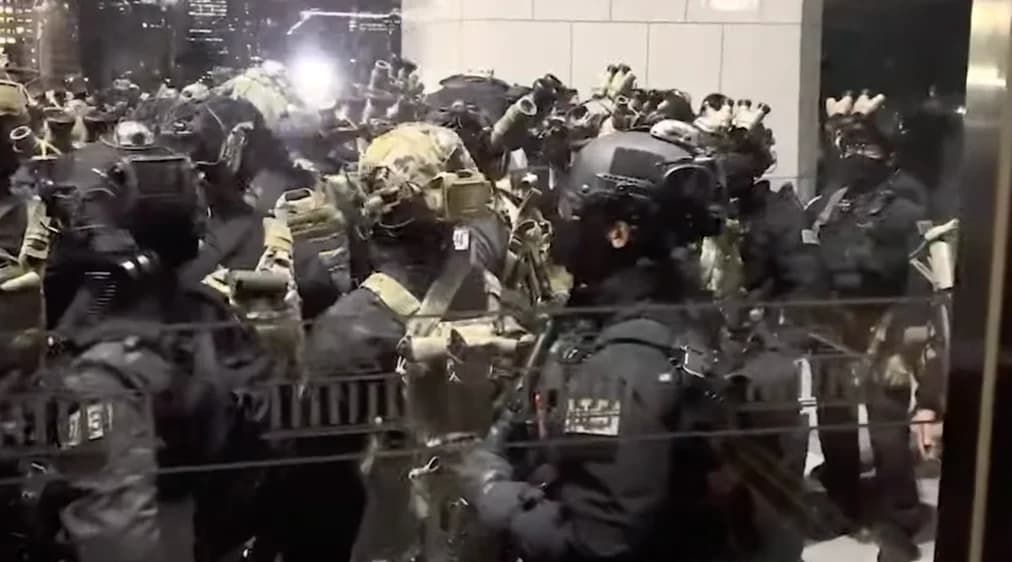
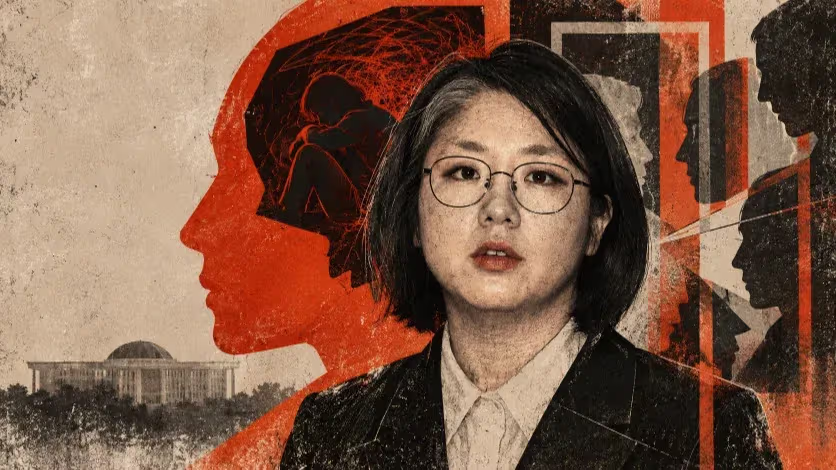
Who could have imagined that the term ‘martial law’ would reappear in 21st-century South Korea? President Yoon Suk-yeol’s recent declaration of martial law has stunned the nation, sparking outrage and intense debate. This unprecedented move, ostensibly to counteract political unrest, has been widely criticized as an assault on democratic principles and a blatant violation of constitutional law.
The word “martial law” evokes memories of bygone eras, marked by political upheaval and authoritarian control. In South Korea, a nation celebrated for its transition to democracy, the term seemed relegated to history books—until now. President Yoon Suk-yeol’s recent declaration of martial law has sent shockwaves through the country, raising profound questions about the state of its democracy and the legality of the president’s actions.
The declaration, ostensibly issued to counteract political unrest, has ignited fierce debates about its constitutional validity. Critics, including legal scholars and opposition leaders, argue that Yoon’s actions amount to an unconstitutional power grab, undermining the democratic principles enshrined in South Korea’s Constitution.
South Korea’s Constitution sets strict conditions for invoking martial law. Article 77 permits the measure only under extraordinary circumstances, such as war, rebellion, or a comparable national emergency. The framers of the Constitution designed these provisions to ensure that martial law remains a tool of last resort, wielded solely to safeguard the nation during existential crises.
President Yoon’s justification for declaring martial law—political gridlock, legislative discord, and attempts to impeach government officials—falls far short of these constitutional thresholds. The disputes he cited, while severe, are intrinsic to the democratic process and do not meet the high bar of a national emergency.
Yoon’s decision also raises concerns about proportionality, a cornerstone of constitutional governance. Martial law represents an extreme suspension of civil liberties, transferring civilian governance to military authorities. Critics argue that such a measure is disproportionate to the challenges cited by the president, which could have been addressed through existing democratic mechanisms.
Beyond the questionable justification, the procedural flaws in Yoon’s martial law declaration have alarmed observers. South Korea’s democratic framework mandates robust oversight of emergency measures, with the National Assembly empowered to revoke martial law if deemed unnecessary or excessive. Yet, Yoon’s administration delayed notifying the legislature, undermining its ability to exercise this critical check.
The opacity surrounding the decision has further eroded public trust. Decisions of such magnitude demand transparency and public engagement—elements conspicuously absent in this case. The unilateral nature of the declaration has led many to view it as a bypassing of democratic institutions, concentrating power dangerously in the hands of the executive.
For many Koreans, Yoon’s declaration stirs painful memories of past abuses. Under the regimes of Park Chung-hee and Chun Doo-hwan, martial law became a tool for suppressing dissent and consolidating power. The infamous Gwangju Uprising of 1980, crushed under martial law, remains a stark reminder of the human and democratic costs of such measures.
Internationally, South Korea’s situation invites comparisons with other nations where martial law has been misused. In the Philippines, Ferdinand Marcos exploited martial law to cement a dictatorship, leading to years of repression. Similarly, Turkey’s Recep Tayyip Erdoğan invoked emergency powers after a failed coup in 2016, using the opportunity to purge political opponents and stifle dissent. These examples highlight the precariousness of democracy when emergency powers are wielded without restraint.
South Korea’s democracy, though resilient, now faces a critical test. The country’s ability to navigate this crisis will have implications far beyond its borders, offering lessons for democracies worldwide about the importance of safeguarding constitutional norms.
To prevent future abuses and restore public trust, South Korea must take concrete steps to strengthen its democratic safeguards. Legal reforms should clarify the conditions under which martial law can be invoked, ensuring that its use is limited to genuine national emergencies. Procedural requirements, such as mandatory parliamentary pre-approval, should be enhanced to prevent unilateral decisions.
The nation now has an opportunity to reaffirm its commitment to constitutional principles and democratic governance. By doing so, it can not only restore public trust but also fortify its position as a global exemplar of democratic resilience. Failure to act decisively, however, risks undermining decades of progress and leaving an indelible stain on its democratic legacy.
Continue this reporting
Reporting on the same issue
Related coverage selected from the article's desk, topics and newsroom relationships.
 NewsSep 26, 2026
South Korea’s 490 Regional Doctor Seats Begin a Longer Route to Care
South Korea’s first 490 regional-doctor seats tie medical-school admission to...
 NewsAug 30, 2026
The Hidden Economics of South Korea’s Public Transport
Busan’s latest transport review exposes a wider national problem: South Korea...
 NewsAug 11, 2026
Korea’s Innovation Cities Did Not Grow the Same Way
Nearly two decades after South Korea began relocating public institutions, th...
More from the author
More from this byline
Stay with the same line of reporting through more work from this byline.
 NewsSep 18, 2026
The Other AI Race Is for the Freedom to Change Course
 NewsSep 5, 2026
How a Political Appointment Becomes a Judgment of Character
Reader Signal
Community readWhat did this report leave you with?
Choose the signal that best reflects your reading. Select it again to remove it.
One response per article
No response selected
A moderated conversation about the reporting.
One-level replies and newsroom moderation keep the conversation anchored to this article.
Discussion Status
Open
Please sign in to join the discussion.
Newsletter
Weekly reporting and context from Busan and Korea.