South Korea's Minimum Wage Set to Rise to KRW 9,860 in 2024, Misses the KRW 10,000 Mark
SEOUL, SOUTH KOREA - After extended discussions, the Minimum Wage Commission (MWC) of South Korea has decided on a 2.5% increase for the minimum wage in 2024, bringing it to KRW 9,860 per hour, up KRW 240 from this year's KRW 9,620. This growth rate is the second lowest in history, excluding the 1.5% increase in 2021. This means that the long-standing goal of labor circles to reach a KRW 10,000 minimum wage remains unfulfilled. The commission, composed of 26 members, including 8 worker represen


SEOUL, SOUTH KOREA - After extended discussions, the Minimum Wage Commission (MWC) of South Korea has decided on a 2.5% increase for the minimum wage in 2024, bringing it to KRW 9,860 per hour, up KRW 240 from this year's KRW 9,620. This growth rate is the second lowest in history, excluding the 1.5% increase in 2021. This means that the long-standing goal of labor circles to reach a KRW 10,000 minimum wage remains unfulfilled.
The commission, composed of 26 members, including 8 worker representatives, 9 employer representatives, and 9 public interest representatives, made the decision in the 15th full council meeting, held on July 19 at the Government Complex Sejong. The suggested figures for the minimum wage, KRW 10,000 by labor representatives and KRW 9,860 by employer representatives, were put to a vote. Seventeen votes were in favor of the employers' suggestion, 8 in favor of the workers', and one abstention, leading to the decision of KRW 9,860 as next year's minimum wage.
The worker representatives argued for an increase to the KRW 12,000 line, citing the rising cost of living, the burden on low-income and vulnerable groups, and the need to rectify income disparity. In contrast, employer representatives advocated for freezing or minimal increases in the minimum wage, referring to the existing minimum wage level that exceeds 60% of the median wage, and the payment abilities of small and medium-sized enterprises and small businesses.
After the vote, worker representatives expressed regret over the minimum wage decision that fell short of KRW 10,000. Park Hee-eun, vice president of the Korean Confederation of Korean Trade Unions, criticized the decision, stating, "In the end, the minimum wage set to apply in 2024, which ended as a fait accompli, has trampled on the dreams of low-wage workers and all workers." Ryu Gi-seob, secretary general of the Korean Confederation of Trade Unions, called for deep reflection on the Minimum Wage Commission, criticizing its lack of fairness, autonomy, and independence.
The minimum wage for 2024, set at KRW 9,860 per hour, translates to KRW 2,067,400 per month (based on 209 hours). This is 2.5% higher than this year's KRW 2,015,800, which has drawn criticism from both labor and management. It is estimated that between 650,000 and 3,347,000 workers will be directly affected by next year's minimum wage, accounting for between 3.9% and 15.4% of the entire workforce.
The process for determining this year's minimum wage has been the longest on record since the minimum wage system was introduced in 1988. The previous longest deliberation period was 108 days in 2016, but this year the process took 110 days, breaking the record.
The Ministry of Employment and Labor is expected to publish next year's minimum wage by August 5. The newly decided minimum wage will come into effect on January 1, 2024.
Continue this reporting
Reporting on the same issue
Related coverage selected from the article's desk, topics and newsroom relationships.
 NewsSep 26, 2026
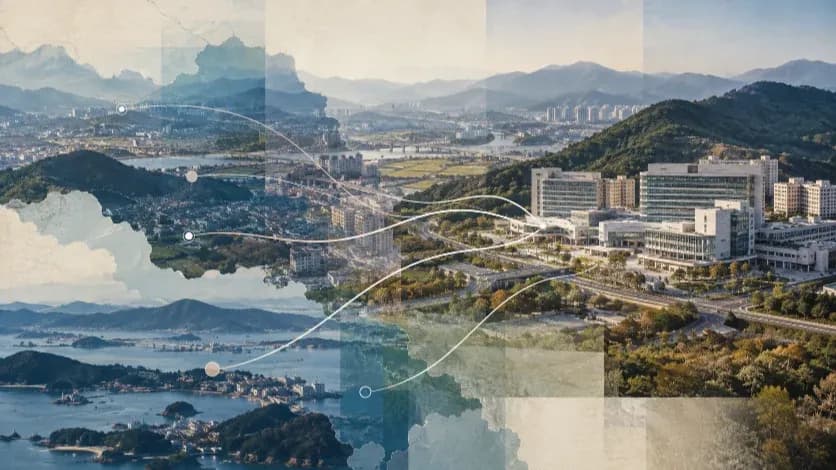
South Korea’s 490 Regional Doctor Seats Begin a Longer Route to Care
South Korea’s first 490 regional-doctor seats tie medical-school admission to...
 NewsAug 30, 2026
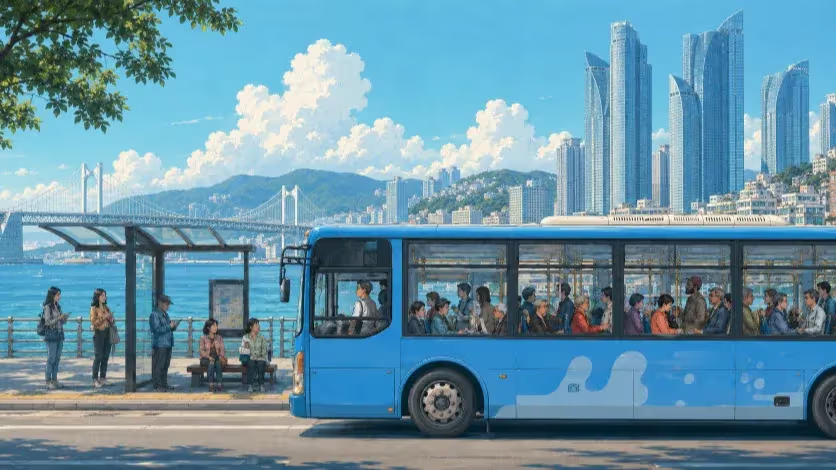
The Hidden Economics of South Korea’s Public Transport
Busan’s latest transport review exposes a wider national problem: South Korea...
 NewsAug 11, 2026
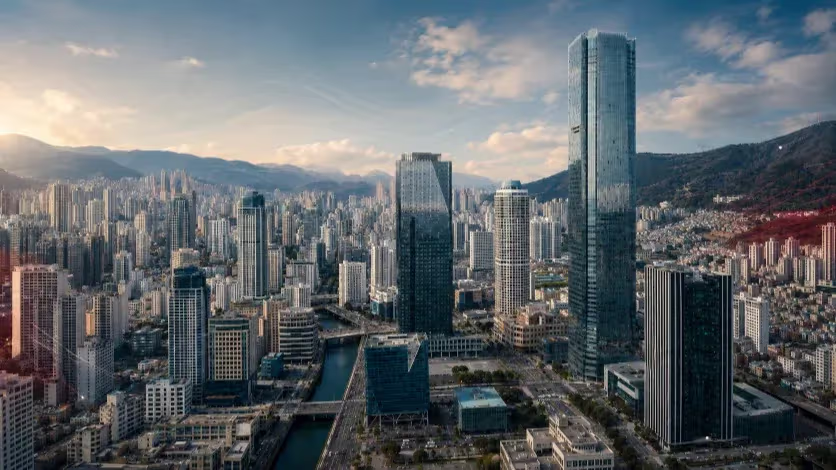
Korea’s Innovation Cities Did Not Grow the Same Way
Nearly two decades after South Korea began relocating public institutions, th...
More from the author
More from this byline
Stay with the same line of reporting through more work from this byline.
 NewsOct 9, 2026
Why “Busan Is Good” Falls Short as a City Brand
 NewsSep 18, 2026
The Other AI Race Is for the Freedom to Change Course
Reader Signal
Community readWhat did this report leave you with?
Choose the signal that best reflects your reading. Select it again to remove it.
One response per article
No response selected
A moderated conversation about the reporting.
One-level replies and newsroom moderation keep the conversation anchored to this article.
Discussion Status
Open
Please sign in to join the discussion.
Newsletter
Weekly reporting and context from Busan and Korea.