South Korea's K-Food+ Exports Break $13 Billion Barrier
South Korea's culinary prowess has achieved an unprecedented milestone. In 2024, the nation’s K-Food+ exports soared to over $13 billion, marking a 6.1% year-on-year growth and cementing its place as a formidable force in the global food market. This remarkable achievement, spanning agricultural goods and related industries, speaks to more than just economic success; it is a testament to the growing international appetite for Korean flavors and innovation. At the heart of this success lies a co

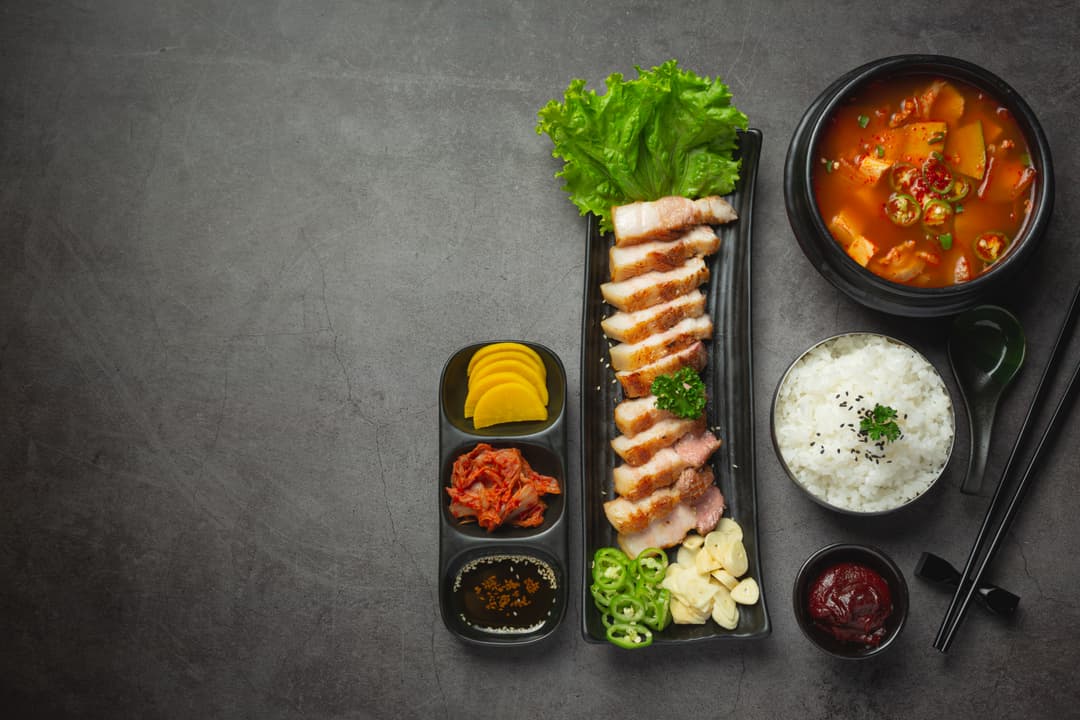
South Korea's culinary prowess has achieved an unprecedented milestone. In 2024, the nation’s K-Food+ exports soared to over $13 billion, marking a 6.1% year-on-year growth and cementing its place as a formidable force in the global food market. This remarkable achievement, spanning agricultural goods and related industries, speaks to more than just economic success; it is a testament to the growing international appetite for Korean flavors and innovation.
At the heart of this success lies a confluence of factors. From the ever-growing global fascination with Korean culture—embodied in K-pop, dramas, and viral food trends—to strategic innovations in product development and marketing, K-Food+ has become synonymous with quality and creativity.
The $13 billion figure is not just a number; it’s a narrative of transformation. Agricultural exports alone accounted for $10 billion, while another $3 billion came from cutting-edge industries like smart farming, agricultural machinery, and animal pharmaceuticals. Each sector has played a role in weaving this success story.
Take ramen, for instance, which emerged as the star of this culinary renaissance. With a staggering $1.25 billion in exports—an impressive 31.1% increase from the previous year—it became a global phenomenon. In the U.S., sales soared by over 70%, driven by the product’s ubiquitous presence in K-dramas and social media trends like the “ramen-eating challenge.” Similarly, rice-based products found their stride, becoming the go-to choice for health-conscious consumers seeking gluten-free and convenient meal options. Even kimchi, a symbol of Korea’s gastronomic heritage, reached new heights, captivating global audiences with innovations like shelf-stable and vegan varieties.
The United States took center stage as South Korea’s largest export market, overtaking China and Japan. Here, the love for Korean food became a cultural phenomenon. Supermarket shelves were lined with Korean snacks, while local events, from golf tournaments to college festivals, showcased the richness of K-Food. This cultural integration translated into numbers—$1.59 billion in exports and a remarkable 21.2% growth from the previous year.
Meanwhile, in China, the story unfolded differently. Online platforms like Tmall and JD.com became the new frontier for ramen and beverages, pushing Korean products into the hands of eager consumers and contributing to a 7.9% growth in exports. In Europe, health-focused products captured the hearts of consumers, resulting in a 25.1% rise in exports. Even in emerging markets like Latin America and the Middle East, the allure of K-Food resonated, with growth rates exceeding 20%.
Japan, long a bastion of Korean food exports, presented a more complex narrative. While products like ramen and snacks held their ground, the weakening yen and subdued consumer sentiment led to an overall decline. Yet, even in adversity, the resilience of K-Food exporters shone through, ensuring that Korean flavors remained a staple in the market.
While the success of K-Food+ is driven by consumer demand, it is also a result of deliberate and strategic support. The South Korean government played an instrumental role, acting as a catalyst for growth. Export vouchers helped businesses offset costs, while international K-Food fairs became gateways to untapped markets. Public-private partnerships brought the agility of businesses and the strategic vision of policymakers together, creating opportunities in even the most challenging environments.
But perhaps the most compelling story lies in the innovation that permeated the industry. Exporters did more than adapt—they anticipated. Products were tailored to meet the tastes of global audiences, from spicy ramen varieties for Southeast Asia to vegan kimchi for Europe. These innovations were not merely responses to demand; they were proactive steps to expand the narrative of K-Food on the world stage.
Despite its success, K-Food+ faced its share of hurdles. The global economic landscape remained volatile, and competition in established markets like Japan intensified. Yet, these challenges have only sharpened the industry’s resolve. Looking ahead, South Korea is doubling down on its efforts to diversify markets and embrace sustainable practices.
Government plans for 2025 signal a focus on innovation, with initiatives aimed at enhancing smart farming technologies and expanding into untapped regions like Africa and South America. This forward-looking approach ensures that K-Food+ will not only sustain its growth but also redefine its presence in the global market.
K-Food+ has evolved from a domestic treasure into a global phenomenon, one that connects people across continents through shared flavors and experiences. With innovation as its guiding principle and the world as its audience, K-Food+ promises to remain at the forefront of global dining trends. The question is no longer whether Korean food will find a place on the global stage—it’s what new heights it will reach next.
Continue this reporting
Reporting on the same issue
Related coverage selected from the article's desk, topics and newsroom relationships.
 NewsSep 26, 2026
South Korea’s 490 Regional Doctor Seats Begin a Longer Route to Care
South Korea’s first 490 regional-doctor seats tie medical-school admission to...
 NewsAug 30, 2026
The Hidden Economics of South Korea’s Public Transport
Busan’s latest transport review exposes a wider national problem: South Korea...
 NewsAug 11, 2026
Korea’s Innovation Cities Did Not Grow the Same Way
Nearly two decades after South Korea began relocating public institutions, th...
More from the author
More from this byline
Stay with the same line of reporting through more work from this byline.
 NewsSep 18, 2026
The Other AI Race Is for the Freedom to Change Course
 NewsSep 5, 2026
How a Political Appointment Becomes a Judgment of Character
Reader Signal
Community readWhat did this report leave you with?
Choose the signal that best reflects your reading. Select it again to remove it.
One response per article
No response selected
A moderated conversation about the reporting.
One-level replies and newsroom moderation keep the conversation anchored to this article.
Discussion Status
Open
Please sign in to join the discussion.
Newsletter
Weekly reporting and context from Busan and Korea.