South Korea's Fight to Save Fishing Villages: New Horizon or Sinking Ship?
Seoul, South Korea – As South Korea faces a stark demographic decline, particularly within its aging coastal communities, the Ministry of Oceans and Fisheries unveiled a bold initiative on May 13, 2024, aimed at revitalizing the nation's fishing villages and coastal areas. With the introduction of "Marine Life Zones," the government seeks to blend economic vigor with coastal charm, striving to turn the tide on years of population decrease and economic stagnation. South Korea’s fishing communiti

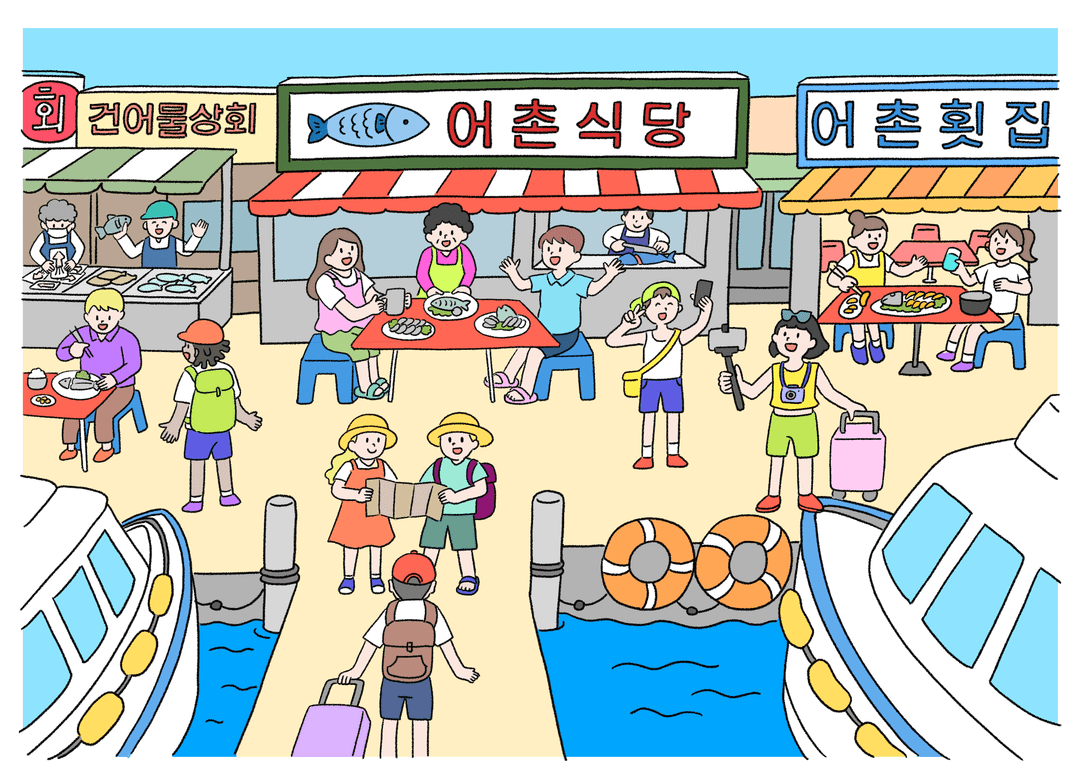
Seoul, South Korea – As South Korea faces a stark demographic decline, particularly within its aging coastal communities, the Ministry of Oceans and Fisheries unveiled a bold initiative on May 13, 2024, aimed at revitalizing the nation's fishing villages and coastal areas. With the introduction of "Marine Life Zones," the government seeks to blend economic vigor with coastal charm, striving to turn the tide on years of population decrease and economic stagnation.
South Korea’s fishing communities are not just losing people; they are battling the very real threat of extinction. With an aging rate double that of the national average and a fishing population that has plummeted by over 27.5% in five years, the cultural fabric and economic vitality of these regions are fraying. "The rapid aging and departure of the youth from these areas pose not just an economic problem but a crisis of cultural heritage," explains a demographer specializing in rural population dynamics.
In response, the Ministry’s initiative is a comprehensive framework that aims to inject life back into these dwindling communities. The strategy involves transforming fishing villages and coastal areas into thriving economic hubs through the creation of Marine Life Zones. These zones aim to capitalize on the synergies between the fisheries industry and the burgeoning marine leisure sector to foster economic growth and stability.
"The plan is to not only preserve these communities but ensure they thrive economically and socially by linking them more closely with growing sectors such as marine tourism and leisure activities," stated Kang Do-hyung, the Minister of Oceans and Fisheries, during the announcement.
The government’s strategy is built on four main pillars:
- Economic and Living Hubs: Initiatives include attracting private investment to develop key centers that combine living, working, and leisure spaces effectively.
- Job Creation in Fisheries: Emphasizing technology and deregulation, the plan is to modernize fisheries, making them both profitable and attractive career paths for the youth.
- Tourism Development: By enhancing infrastructure and creating engaging tourist experiences, these zones are expected to draw visitors year-round, thus providing steady income streams.
- Improving Living Conditions: Plans are underway to upgrade housing, transportation, and essential services, making these areas desirable places to live and work.
Potential Roadblocks and Criticism
Despite the optimistic vision laid out by the Ministry of Oceans and Fisheries, several experts caution against potential obstacles that could derail the ambitious plans. "The success of such ambitious plans hinges on sustained investment, both public and private, and the actual on-ground impact of these policies," notes Lee, an urban planner. The complexity of coordinating multiple governmental bodies and securing consistent funding over the long term are substantial challenges that could impede progress.
Furthermore, environmental concerns also play a significant role. Critics argue that without a careful and sustainable approach, the expansion of marine life zones could lead to ecological degradation, which might counteract any economic benefits. "Rapid development without rigorous environmental safeguards could damage the very ecosystems these communities rely on," warns Dr. Kim, a marine biologist.
Public skepticism is another hurdle. Past initiatives have sometimes fallen short of expectations, leaving communities wary of new promises. "There is a trust deficit that needs to be addressed," explains community leader Choi. "People need to see real changes, not just hear lofty plans."
If the execution and follow-up falter, these initiatives could leave communities high and dry, critics argue. Effective management, transparent processes, and active community involvement are essential for turning policy into practice.
A New Dawn or a False Promise?
As South Korea charts these untested waters, the hope is that these Marine Life Zones will not only revitalize the fishing villages and coastal areas but also set a precedent for how demographic challenges in rural and semi-urban areas can be addressed globally. The integration of economic development with environmental and social sustainability is crucial.
Will South Korea's ambitious plan be a model for rural revitalization or a lesson in overreach? Will these efforts create vibrant, self-sustaining communities, or will they become another footnote in the history of well-intended but poorly executed policies? Only time will tell. But one thing is clear: the success or failure of this initiative will provide valuable lessons for similar challenges worldwide, offering insights into the balance of growth, community, and conservation.
Continue this reporting
Reporting on the same issue
Related coverage selected from the article's desk, topics and newsroom relationships.
 NewsSep 26, 2026
South Korea’s 490 Regional Doctor Seats Begin a Longer Route to Care
South Korea’s first 490 regional-doctor seats tie medical-school admission to...
 NewsAug 30, 2026
The Hidden Economics of South Korea’s Public Transport
Busan’s latest transport review exposes a wider national problem: South Korea...
 NewsAug 11, 2026
Korea’s Innovation Cities Did Not Grow the Same Way
Nearly two decades after South Korea began relocating public institutions, th...
More from the author
More from this byline
Stay with the same line of reporting through more work from this byline.
 NewsSep 18, 2026
The Other AI Race Is for the Freedom to Change Course
 NewsSep 5, 2026
How a Political Appointment Becomes a Judgment of Character
Reader Signal
Community readWhat did this report leave you with?
Choose the signal that best reflects your reading. Select it again to remove it.
One response per article
No response selected
A moderated conversation about the reporting.
One-level replies and newsroom moderation keep the conversation anchored to this article.
Discussion Status
Open
Please sign in to join the discussion.
Newsletter
Weekly reporting and context from Busan and Korea.