South Korea Implements Smart Farm Expansion and Improved Housing for Agricultural Workers
Seoul, South Korea - The Ministry of Agriculture, Food and Rural Affairs (MAFRA) has announced several amendments to the Farmland Act Enforcement Decree, set to take effect from July 3, 2024. These changes are designed to bolster agricultural competitiveness through the adoption of advanced smart farming technologies and to enhance living conditions for workers in the agricultural sector. Temporary smart crop cultivation facilities, which do not require construction permits or notifications, wi

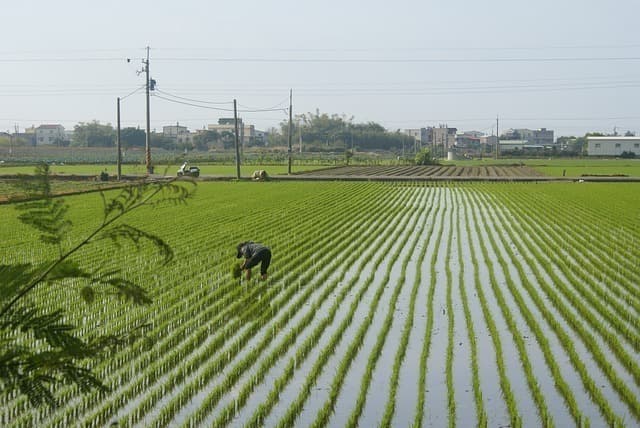
Seoul, South Korea - The Ministry of Agriculture, Food and Rural Affairs (MAFRA) has announced several amendments to the Farmland Act Enforcement Decree, set to take effect from July 3, 2024. These changes are designed to bolster agricultural competitiveness through the adoption of advanced smart farming technologies and to enhance living conditions for workers in the agricultural sector.
Temporary smart crop cultivation facilities, which do not require construction permits or notifications, will be added to the list of permissible temporary uses for farmland. This regulatory change addresses the growing demand for smart farming facilities, which use remote-controlled systems to optimize temperature, nutrients, and light for crop growth. Previously, installing such facilities on farmland required a farmland conversion permit, restricting their implementation. This regulatory relaxation aims to remove such barriers and promote the adoption of smart agricultural practices.
In a bid to foster the widespread adoption of smart farming, the permissible period for temporary use of farmland for smart crop cultivation structures has been doubled. Previously limited to a maximum of 8 years, the period has now been extended to 16 years. Smart farms, equipped with remote control systems for optimizing temperature, nutrients, and light, are seen as a critical component in modernizing agriculture and increasing productivity. By extending the usage period, MAFRA aims to provide greater stability and encourage investment in these high-tech agricultural practices.
"The expansion of the permissible period for smart farm installations is a crucial step in promoting innovation and sustainability within our agricultural sector," stated a MAFRA spokesperson.
Addressing the longstanding issue of inadequate housing for agricultural workers, the amendments also permit the use of existing agricultural housing as living facilities for both domestic and foreign laborers. This change aims to alleviate the difficulties faced by workers due to the lack of nearby residential facilities in rural areas. Additionally, the maximum permissible area for these housing units has been increased from 660 square meters to 1,000 square meters.
"The enhancement of housing regulations will significantly improve the living conditions of agricultural workers, thereby supporting their well-being and productivity," the spokesperson added.
These regulatory changes are part of a broader government initiative to modernize the agricultural sector and ensure its long-term viability. The smart farming market in South Korea is projected to grow substantially, from 340.4 billion KRW in 2020 to 695.1 billion KRW by 2025. The amendments are expected to play a crucial role in sustaining this growth and attracting more labor to the agricultural sector by improving working and living conditions.
Continue this reporting
Reporting on the same issue
Related coverage selected from the article's desk, topics and newsroom relationships.
 NewsSep 26, 2026
South Korea’s 490 Regional Doctor Seats Begin a Longer Route to Care
South Korea’s first 490 regional-doctor seats tie medical-school admission to...
 NewsAug 30, 2026
The Hidden Economics of South Korea’s Public Transport
Busan’s latest transport review exposes a wider national problem: South Korea...
 NewsAug 11, 2026
Korea’s Innovation Cities Did Not Grow the Same Way
Nearly two decades after South Korea began relocating public institutions, th...
More from the author
More from this byline
Stay with the same line of reporting through more work from this byline.
 NewsSep 18, 2026
The Other AI Race Is for the Freedom to Change Course
 NewsSep 5, 2026
How a Political Appointment Becomes a Judgment of Character
Reader Signal
Community readWhat did this report leave you with?
Choose the signal that best reflects your reading. Select it again to remove it.
One response per article
No response selected
A moderated conversation about the reporting.
One-level replies and newsroom moderation keep the conversation anchored to this article.
Discussion Status
Open
Please sign in to join the discussion.
Newsletter
Weekly reporting and context from Busan and Korea.