South Korea Faces Record Corporate Tax Shortfall Amid Economic Challenges
SEOUL, June 25, 2024 – South Korea is grappling with a significant corporate tax shortfall, as revealed in a recent report by the National Tax Service (NTS). Despite a record number of corporate tax filings, the actual tax revenue has plummeted, raising concerns about a potential tax revenue deficit for the current year. The NTS report, released on June 24, highlighted that the number of corporations filing taxes reached an unprecedented 1.031 million last year, marking the first time the figur

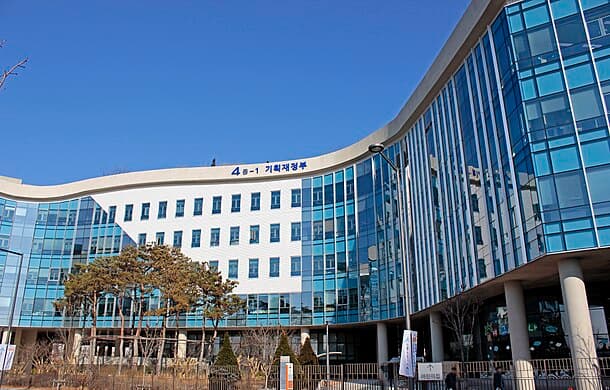
SEOUL, June 25, 2024 – South Korea is grappling with a significant corporate tax shortfall, as revealed in a recent report by the National Tax Service (NTS). Despite a record number of corporate tax filings, the actual tax revenue has plummeted, raising concerns about a potential tax revenue deficit for the current year.
The NTS report, released on June 24, highlighted that the number of corporations filing taxes reached an unprecedented 1.031 million last year, marking the first time the figure has surpassed the one million mark. However, despite the increase in filings, the total corporate tax burden decreased by KRW 6.2 trillion from the previous year, totaling KRW 81.6 trillion.
According to experts, this decrease is partly due to the economic difficulties faced by companies, which have increased operational costs, thereby reducing taxable income despite higher sales revenues.
The report detailed that corporate revenues had increased from KRW 6,080 trillion in 2022 to KRW 7,321 trillion in 2023, indicating a significant rise in sales. Nonetheless, the aggregate taxable income of corporations fell from KRW 475 trillion to KRW 459 trillion during the same period, a reduction of KRW 16 trillion. This paradox of increased revenues but decreased taxable income highlights the economic pressures faced by businesses.
An NTS official explained, "The reduced taxable income despite higher revenues is primarily due to increased costs such as interest rates and raw material prices, which have outpaced the growth in sales, thereby reducing operating profits."
The actual corporate tax revenue last year decreased by over KRW 20 trillion, contributing to a historic tax revenue shortfall of KRW 56.4 trillion. This decline in corporate tax revenue alone accounted for a reduction of approximately KRW 23 trillion. With the ongoing economic challenges, experts are forecasting a continued tax revenue shortfall exceeding KRW 30 trillion for this year.
In response to these developments, the Ministry of Economy and Finance released its fiscal report on June 13, indicating that national tax revenue by April this year stood at KRW 125.6 trillion, an KRW 8.4 trillion decline compared to the same period last year. The drop in corporate tax revenue, which decreased by KRW 12.8 trillion due to worsening corporate earnings, remains a significant factor contributing to the overall decrease in tax revenue.
The mounting tax revenue deficit underscores the challenges South Korea faces in balancing its fiscal policies amid an uncertain economic climate. As businesses continue to navigate high operational costs and subdued profitability, the government's fiscal strategies and support measures will be crucial in mitigating the impact of this shortfall and stabilizing the nation's economic health.
Continue this reporting
Reporting on the same issue
Related coverage selected from the article's desk, topics and newsroom relationships.
 NewsSep 26, 2026
South Korea’s 490 Regional Doctor Seats Begin a Longer Route to Care
South Korea’s first 490 regional-doctor seats tie medical-school admission to...
 NewsAug 30, 2026
The Hidden Economics of South Korea’s Public Transport
Busan’s latest transport review exposes a wider national problem: South Korea...
 NewsAug 11, 2026
Korea’s Innovation Cities Did Not Grow the Same Way
Nearly two decades after South Korea began relocating public institutions, th...
More from the author
More from this byline
Stay with the same line of reporting through more work from this byline.
 NewsSep 18, 2026
The Other AI Race Is for the Freedom to Change Course
 NewsSep 5, 2026
How a Political Appointment Becomes a Judgment of Character
Reader Signal
Community readWhat did this report leave you with?
Choose the signal that best reflects your reading. Select it again to remove it.
One response per article
No response selected
A moderated conversation about the reporting.
One-level replies and newsroom moderation keep the conversation anchored to this article.
Discussion Status
Open
Please sign in to join the discussion.
Newsletter
Weekly reporting and context from Busan and Korea.