South Korea Cabbage Prices Surge Amid Climate Threats
Seoul, South Korea – In 2024, South Korea faces an unprecedented surge in cabbage prices, driven by a combination of extreme weather and delayed government intervention. The price of a single cabbage has skyrocketed by 80% compared to the previous year, reaching upwards of 9,500 KRW, raising concerns as households prepare for kimchi-making season, a cultural tradition deeply tied to the Korean way of life. As the situation unfolds, experts are pointing to climate change as the principal driver

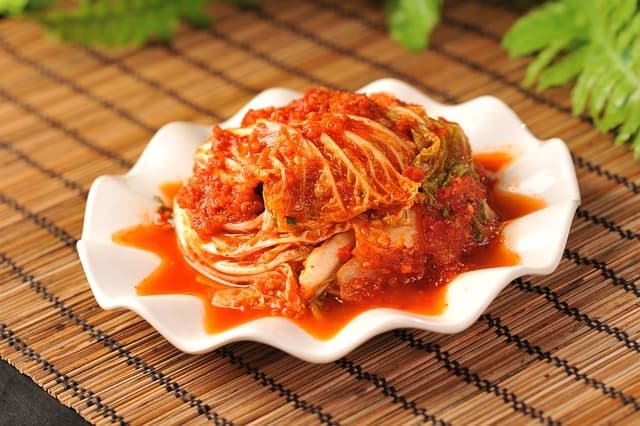
Seoul, South Korea – In 2024, South Korea faces an unprecedented surge in cabbage prices, driven by a combination of extreme weather and delayed government intervention. The price of a single cabbage has skyrocketed by 80% compared to the previous year, reaching upwards of 9,500 KRW, raising concerns as households prepare for kimchi-making season, a cultural tradition deeply tied to the Korean way of life.
As the situation unfolds, experts are pointing to climate change as the principal driver behind this economic strain, while the government is grappling with how best to stabilize the market amid mounting criticism of its response.
South Korea’s agricultural sector has been increasingly vulnerable to the impacts of climate change. Recent years have seen longer and more intense heatwaves, as well as prolonged periods of drought, which have wreaked havoc on crop production. In 2024, these conditions have combined to sharply reduce cabbage yields. This phenomenon, often termed “heatflation,” describes the inflationary pressure caused by extreme weather, driving up the prices of staple food items like cabbage.
Agricultural researchers have long warned that rising temperatures and erratic rainfall patterns would lead to significant disruptions in crop production. Higher temperatures, particularly during key growing seasons, reduce both crop quality and yield. The shift from temperate to more tropical conditions, already affecting much of the southern peninsula, threatens to destabilize traditional farming practices.
In response, some farmers have resorted to more sustainable practices, such as crop rotation and soil restoration methods, to protect against land degradation and enhance water retention. These traditional farming methods have shown some success, but with climate change projected to worsen, the question remains: Are these strategies enough to ensure future food security?
The government’s response to the cabbage price surge has been marked by criticism. Many argue that authorities were slow to address the crisis, only implementing significant price stabilization measures after prices had already reached record levels. Critics have pointed to the delayed decision to import Chinese cabbage, a move designed to alleviate domestic supply shortages, as indicative of a reactive rather than proactive approach.
As part of its strategy to mitigate the price surge, the government initiated large-scale imports of Chinese cabbage and subsidized certain agricultural sectors to boost supply. However, these efforts have done little to quell public discontent. Households, facing inflated grocery bills, have increasingly turned to pre-packaged kimchi instead of making it themselves, marking a shift in consumer behavior during a time when the annual tradition of kimjang (kimchi-making) typically flourishes.
Additionally, some policy experts are advocating for structural changes in how the country manages agricultural crises. Calls for earlier intervention, better forecasting tools, and greater investment in climate-resilient farming methods are growing louder as this year's surge highlights gaps in South Korea's crisis management framework.
The rise in cabbage prices has had a ripple effect throughout the economy, hitting both consumers and industries alike. Kimchi, a staple in Korean cuisine, has seen production costs soar as cabbage becomes more expensive. Producers are warning that the surge in raw material prices may soon lead to increased retail prices for kimchi, placing an additional burden on consumers.
For many South Korean households, the tradition of kimjang is a central part of family and community life. The annual preparation of kimchi, which typically takes place in late autumn, is a practice passed down through generations. However, with cabbage prices remaining high, many families are scaling back their efforts or opting for store-bought alternatives. This shift not only affects cultural practices but also signals broader changes in consumer behavior, as convenience and cost-saving become more significant factors.
The restaurant industry, too, has felt the squeeze. Many small businesses that rely heavily on cabbage-based dishes, including kimchi, have struggled to absorb the rising costs, leading some to increase menu prices or reduce portions. This, in turn, could lead to a reduction in overall consumer spending, compounding the economic pressures already facing the country.
South Korea’s cabbage price surge has raised broader concerns about the country’s food security. As climate change continues to intensify, it is exposing vulnerabilities in the country’s agricultural system. South Korea is heavily reliant on food imports, with over half of its food needs being met by international suppliers. This dependence makes the country particularly susceptible to global food market disruptions.
The situation is compounded by the shrinking domestic agricultural sector. South Korea’s arable land is limited, and the farming population is aging, further reducing local food production capacity. These factors combined place South Korea’s food security at a critical juncture. The current cabbage crisis is just one example of how climate change and global dependencies can threaten the stability of food supplies.
Looking ahead, experts argue that South Korea must invest in more sustainable agricultural practices to mitigate the long-term effects of climate change on food production. Traditional farming methods, such as intercropping and improved water retention systems, have shown promise in protecting against land degradation and boosting yields under harsh conditions.
Additionally, agricultural researchers are calling for increased development of heat-resistant crop varieties to better adapt to the rising temperatures. Government-funded research institutions are beginning to explore these options, but scaling such innovations across the entire agricultural sector will require greater policy support and investment.
South Korea’s future food security will depend heavily on its ability to adapt to climate change. Without swift action, the country risks facing more frequent disruptions to its food supply, leading to further price surges and economic instability. Experts suggest that a combination of technological advancements, policy reforms, and greater international cooperation will be necessary to ensure a stable agricultural sector in the years to come.
While short-term government interventions have provided some relief, the long-term outlook for South Korea’s agricultural sector remains uncertain. The country must navigate these turbulent waters by investing in climate resilience, enhancing its crisis management strategies, and promoting sustainable farming practices.
Continue this reporting
Reporting on the same issue
Related coverage selected from the article's desk, topics and newsroom relationships.
 NewsSep 26, 2026
South Korea’s 490 Regional Doctor Seats Begin a Longer Route to Care
South Korea’s first 490 regional-doctor seats tie medical-school admission to...
 NewsAug 30, 2026
The Hidden Economics of South Korea’s Public Transport
Busan’s latest transport review exposes a wider national problem: South Korea...
 NewsAug 11, 2026
Korea’s Innovation Cities Did Not Grow the Same Way
Nearly two decades after South Korea began relocating public institutions, th...
More from the author
More from this byline
Stay with the same line of reporting through more work from this byline.
 NewsSep 18, 2026
The Other AI Race Is for the Freedom to Change Course
 NewsSep 5, 2026
How a Political Appointment Becomes a Judgment of Character
Reader Signal
Community readWhat did this report leave you with?
Choose the signal that best reflects your reading. Select it again to remove it.
One response per article
No response selected
A moderated conversation about the reporting.
One-level replies and newsroom moderation keep the conversation anchored to this article.
Discussion Status
Open
Please sign in to join the discussion.
Newsletter
Weekly reporting and context from Busan and Korea.