Oxford English Dictionary Adds 7 New Korean Words
For decades, the Oxford English Dictionary (OED) has been a linguistic barometer of global cultural shifts, capturing the evolution of the English language with precision. In its latest update in December 2024, the OED once again turned to South Korea, a cultural powerhouse, adding seven new Korean words to its lexicon. From food to familial relationships and traditional arts, these words underline the influence of "K-Culture" on the world stage, marking yet another milestone in the global embra

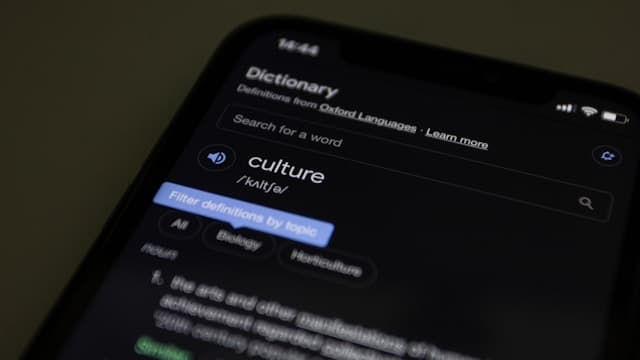
For decades, the Oxford English Dictionary (OED) has been a linguistic barometer of global cultural shifts, capturing the evolution of the English language with precision. In its latest update in December 2024, the OED once again turned to South Korea, a cultural powerhouse, adding seven new Korean words to its lexicon. From food to familial relationships and traditional arts, these words underline the influence of "K-Culture" on the world stage, marking yet another milestone in the global embrace of Korean heritage.
The new additions—noraebang, maknae, jjigae, tteokbokki, pansori, dalgona, and hyung—reflect Korea’s rich cultural tapestry. Words like noraebang, a Korean-style karaoke room, and jjigae, a beloved stew found in every Korean household, speak to the everyday life of Koreans. Meanwhile, maknae, meaning the youngest member of a family or group, and hyung, a respectful term used by men to address older brothers or close friends, encapsulate the unique nuances of Korean social relationships.
The inclusion of tteokbokki, Korea’s iconic spicy rice cake dish, and dalgona, a sugary treat that gained worldwide fame through Netflix’s Squid Game, highlights the global appetite for Korean cuisine. Additionally, pansori, the traditional Korean music genre characterized by expressive storytelling, offers a nod to the country’s artistic and cultural heritage.
This update marks the first major inclusion of Korean words in the OED since 2021, when 26 terms such as hallyu (the Korean Wave), mukbang (broadcasts of people eating), and daebak (great success) were added. At the time, the OED acknowledged the rapid rise of Korean culture as a global phenomenon. With the latest update, it’s clear that this wave shows no signs of receding.
The journey of these words from local lexicons to global recognition has been fueled by the unparalleled success of Korean entertainment and media. Netflix’s Squid Game, which popularized dalgona, became a cultural touchstone for millions. Similarly, K-pop groups like BTS and BLACKPINK have brought maknae into everyday conversations among global fans, while noraebang remains a go-to experience for those eager to embrace Korea’s vibrant nightlife.
Korean food has also played a significant role in this linguistic crossover. Words like jjigae and tteokbokki are becoming increasingly familiar to food enthusiasts worldwide, appearing on restaurant menus and in cooking tutorials on social media. Meanwhile, pansori is gaining international acclaim for its unique blend of vocal storytelling and drumming, offering audiences a window into Korea’s traditional music.
“Language evolves as cultures intersect,” stated an OED representative. “The rise of K-culture has created a bridge that allows Korean words to find a home in English.” This sentiment echoes the global reception of Korean culture as not just a regional phenomenon but a global force that resonates across borders.
In addition to dictionary inclusions, Korean cultural organizations are amplifying these efforts. For instance, the Korean Cultural Centre UK recently hosted an exhibition titled "26, Your Korean Words," which explored the background of Korean words added to the OED in 2021. Such initiatives are fostering greater appreciation and understanding of Korean language and culture.
Looking ahead, the OED editorial team has hinted at further inclusions, with terms like haenyeo (Korean female divers), ajumma (middle-aged woman), and bingsu (shaved ice dessert) under consideration. As Korean culture continues to captivate global audiences, its linguistic footprint is set to grow even further.
As the OED continues to evolve, one thing is clear: the English language, much like the world itself, is being shaped by the vibrant currents of Korean culture. In every tteokbokki devoured, every noraebang song sung, and every dalgonabroken, the story of cultural exchange is written—one word at a time.
Continue this reporting
Reporting on the same issue
Related coverage selected from the article's desk, topics and newsroom relationships.
 NewsSep 26, 2026
South Korea’s 490 Regional Doctor Seats Begin a Longer Route to Care
South Korea’s first 490 regional-doctor seats tie medical-school admission to...
 NewsAug 30, 2026
The Hidden Economics of South Korea’s Public Transport
Busan’s latest transport review exposes a wider national problem: South Korea...
 NewsAug 11, 2026
Korea’s Innovation Cities Did Not Grow the Same Way
Nearly two decades after South Korea began relocating public institutions, th...
More from the author
More from this byline
Stay with the same line of reporting through more work from this byline.
 NewsSep 18, 2026
The Other AI Race Is for the Freedom to Change Course
 NewsSep 5, 2026
How a Political Appointment Becomes a Judgment of Character
Reader Signal
Community readWhat did this report leave you with?
Choose the signal that best reflects your reading. Select it again to remove it.
One response per article
No response selected
A moderated conversation about the reporting.
One-level replies and newsroom moderation keep the conversation anchored to this article.
Discussion Status
Open
Please sign in to join the discussion.
Newsletter
Weekly reporting and context from Busan and Korea.