New Investment Opportunities Arise in Industrial Complexes with Legislative Amendments
Seoul, South Korea — On July 10, 2024, significant amendments to the industrial cluster legislation will come into force, opening new investment pathways for businesses operating within industrial complexes. These changes are part of an ongoing effort by the Ministry of Trade, Industry, and Energy (MOTIE) to dismantle restrictive regulations and promote a more flexible and inviting environment for business operations. One of the pivotal changes is the expansion of permissible business categorie

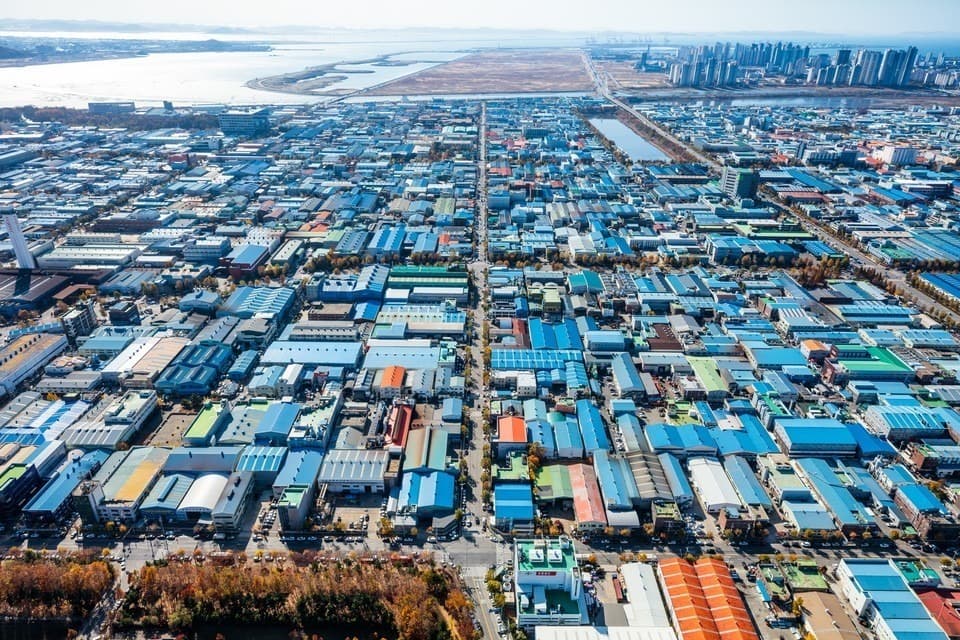
Seoul, South Korea — On July 10, 2024, significant amendments to the industrial cluster legislation will come into force, opening new investment pathways for businesses operating within industrial complexes. These changes are part of an ongoing effort by the Ministry of Trade, Industry, and Energy (MOTIE) to dismantle restrictive regulations and promote a more flexible and inviting environment for business operations.
One of the pivotal changes is the expansion of permissible business categories within industrial complexes that have been operational for over a decade. Managing authorities will now reassess and potentially broaden these categories, allowing for greater diversity and inclusion of service industries. This move will enable legal, accounting, and tax services to set up operations within industrial zones, provided there is demand from existing resident companies.
“The reassessment and expansion of business categories are crucial steps in modernizing our industrial complexes,” said a MOTIE spokesperson. “These changes will make our industrial zones more adaptable and attractive to a wider range of businesses.”
The new legislation also introduces asset securitization in non-capital region industrial complexes, a groundbreaking method for businesses to secure necessary investment funds. Companies will now be able to transfer the ownership of industrial land and factories to investors and lease them back. This approach not only frees up capital for reinvestment but also ensures that businesses retain operational control over their facilities.
This model is particularly beneficial for businesses looking to expand without the immediate capital outlay. For instance, Korea Zinc, through its subsidiary KZAM, plans to lease adjacent land to expand its secondary battery materials production plant. This project, which involves an investment of KRW 240 billion, highlights the potential scale and impact of these new investment opportunities.
Another significant amendment allows companies to lease adjacent land to expand their manufacturing facilities or add ancillary structures such as warehouses. This provision is designed to support businesses in maximizing their operational space efficiently. The Korea Zinc project exemplifies this strategy, demonstrating how companies can leverage adjacent land for substantial growth.
In a move to further incentivize investment, companies that invest industrial land as in-kind contributions to joint ventures will be exempt from the five-year disposal restrictions typically applied to industrial land after allocation. This change provides companies with greater flexibility and reduces the bureaucratic burden associated with land disposal regulations.
MOTIE remains committed to identifying and eliminating any regulatory obstacles that hinder corporate investment. The ministry plans to continuously review and expand the range of permissible business categories within key national industrial complexes. By doing so, MOTIE aims to create a more dynamic and business-friendly environment that fosters growth and innovation.
“We are dedicated to maintaining a regulatory framework that supports and encourages business investments,” said a MOTIE official. “Our ongoing efforts to improve and adapt our regulations are vital for sustaining economic growth and competitiveness.”
Continue this reporting
Reporting on the same issue
Related coverage selected from the article's desk, topics and newsroom relationships.
 NewsSep 26, 2026
South Korea’s 490 Regional Doctor Seats Begin a Longer Route to Care
South Korea’s first 490 regional-doctor seats tie medical-school admission to...
 NewsAug 30, 2026
The Hidden Economics of South Korea’s Public Transport
Busan’s latest transport review exposes a wider national problem: South Korea...
 NewsAug 11, 2026
Korea’s Innovation Cities Did Not Grow the Same Way
Nearly two decades after South Korea began relocating public institutions, th...
More from the author
More from this byline
Stay with the same line of reporting through more work from this byline.
 NewsSep 18, 2026
The Other AI Race Is for the Freedom to Change Course
 NewsSep 5, 2026
How a Political Appointment Becomes a Judgment of Character
Reader Signal
Community readWhat did this report leave you with?
Choose the signal that best reflects your reading. Select it again to remove it.
One response per article
No response selected
A moderated conversation about the reporting.
One-level replies and newsroom moderation keep the conversation anchored to this article.
Discussion Status
Open
Please sign in to join the discussion.
Newsletter
Weekly reporting and context from Busan and Korea.