Impact of South Korea's Medical School Quota Increase
Seoul, South Korea - The South Korean government's recent decision to increase the medical school admissions quota by up to 2,000 students in 2025 has ignited a complex debate. While the policy aims to address the ongoing doctor shortage and improve healthcare access across the country, it has also raised concerns about its potential impact on the quality of medical education and the rise of repeat applicants (N수생). As public sentiment largely supports the expansion, driven by the need for more

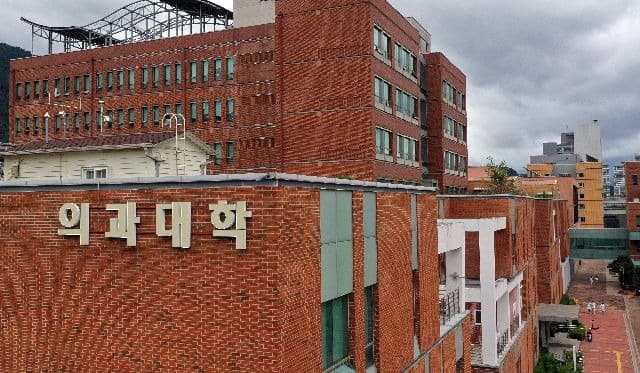
Seoul, South Korea - The South Korean government's recent decision to increase the medical school admissions quota by up to 2,000 students in 2025 has ignited a complex debate. While the policy aims to address the ongoing doctor shortage and improve healthcare access across the country, it has also raised concerns about its potential impact on the quality of medical education and the rise of repeat applicants (N수생). As public sentiment largely supports the expansion, driven by the need for more medical professionals, the response from the medical community has been mixed, with fears of exacerbating existing regional disparities and educational pressures. This article delves into the implications of the policy change, critiques the media's coverage of the issue, and explores the broader context of South Korea's medical education system.
Research on educational policy changes, particularly those that involve expanding access to competitive programs like medical schools, suggests that such changes can have both positive and negative outcomes. Studies have shown that increasing student intake can help address shortages in critical sectors like healthcare, but it can also strain educational resources and potentially lower the overall quality of education if not managed properly.
In South Korea, the intense competition for medical school admissions has led to a significant number of students reapplying multiple times, a trend that could be exacerbated by the recent quota increase. Previous research on medical education in South Korea has highlighted the importance of maintaining rigorous standards to ensure that the influx of new students does not compromise the quality of training. Additionally, the regional allocation of these new seats may further deepen the divide between the Seoul metropolitan area and other regions, where educational resources and opportunities already differ significantly.
The response to the government's decision has been polarized. Many experts and medical professionals have expressed concern that the increased admissions could lead to overcrowding in classrooms, reduce the quality of training, and exacerbate regional disparities. For instance, a significant portion of the additional seats is allocated to universities outside the Seoul metropolitan area, which may not have the same level of resources or faculty expertise as institutions in the capital.
On the other hand, public sentiment appears to favor the expansion, with many seeing it as a necessary step to address the long-standing doctor shortages that have plagued the country. This support is particularly strong among those who feel that the current system is too exclusive and fails to meet the healthcare needs of the population. Government officials have emphasized that the expansion is part of a broader strategy to ensure that all regions of the country have adequate medical coverage, especially in underserved areas.
However, critics argue that without careful planning and additional support, the increase in admissions may lead to a rise in repeat applicants, as more students find themselves unable to secure a place in their desired programs despite the expanded quotas.
The media’s coverage of this issue has varied, with some outlets focusing on the sensational aspects, such as the potential for a dramatic increase in repeat applicants and the financial burdens faced by families. These reports often lack depth, failing to explore the underlying causes of these trends or the broader implications of the policy change.
A more responsible approach would involve a deeper analysis of how the quota increase fits into the broader context of South Korea’s healthcare and education systems. For example, instead of merely highlighting the number of repeat applicants, the media could investigate the regional disparities in educational resources, the quality of medical training in different areas, and the potential long-term effects on the healthcare system.
By offering a more nuanced perspective, the media could help the public understand the complexities of the issue and engage in more informed discussions about the best way to address the country’s healthcare challenges.
The decision to increase the medical school admissions quota in South Korea is a significant policy shift that has the potential to address critical healthcare shortages. However, it also raises important questions about the quality of education, regional disparities, and the pressures on students. While public support for the expansion is strong, it is crucial that the government, educational institutions, and the media approach this issue with care. Ensuring that the expanded quotas lead to positive outcomes will require careful planning, adequate resources, and a commitment to maintaining high standards in medical education. The media, for its part, should strive to provide balanced, in-depth coverage that goes beyond sensational headlines to explore the full implications of this important policy change.
Continue this reporting
Reporting on the same issue
Related coverage selected from the article's desk, topics and newsroom relationships.
 NewsSep 26, 2026
South Korea’s 490 Regional Doctor Seats Begin a Longer Route to Care
South Korea’s first 490 regional-doctor seats tie medical-school admission to...
 NewsAug 30, 2026
The Hidden Economics of South Korea’s Public Transport
Busan’s latest transport review exposes a wider national problem: South Korea...
 NewsAug 11, 2026
Korea’s Innovation Cities Did Not Grow the Same Way
Nearly two decades after South Korea began relocating public institutions, th...
More from the author
More from this byline
Stay with the same line of reporting through more work from this byline.
 NewsOct 9, 2026
Why “Busan Is Good” Falls Short as a City Brand
 NewsSep 18, 2026
The Other AI Race Is for the Freedom to Change Course
Reader Signal
Community readWhat did this report leave you with?
Choose the signal that best reflects your reading. Select it again to remove it.
One response per article
No response selected
A moderated conversation about the reporting.
One-level replies and newsroom moderation keep the conversation anchored to this article.
Discussion Status
Open
Please sign in to join the discussion.
Newsletter
Weekly reporting and context from Busan and Korea.