How Hallyu is Shaping Global Perceptions of Korea
In an era where cultural exports are increasingly becoming a cornerstone of national soft power, South Korea's Hallyu, or the Korean Wave, stands out as a prime example of how art and entertainment can transcend borders, influencing perceptions and fostering a global community of enthusiasts. The Ministry of Culture, Sports and Tourism of South Korea, in collaboration with the Korean Foundation for International Cultural Exchange, has unveiled findings from an expansive survey, casting light on

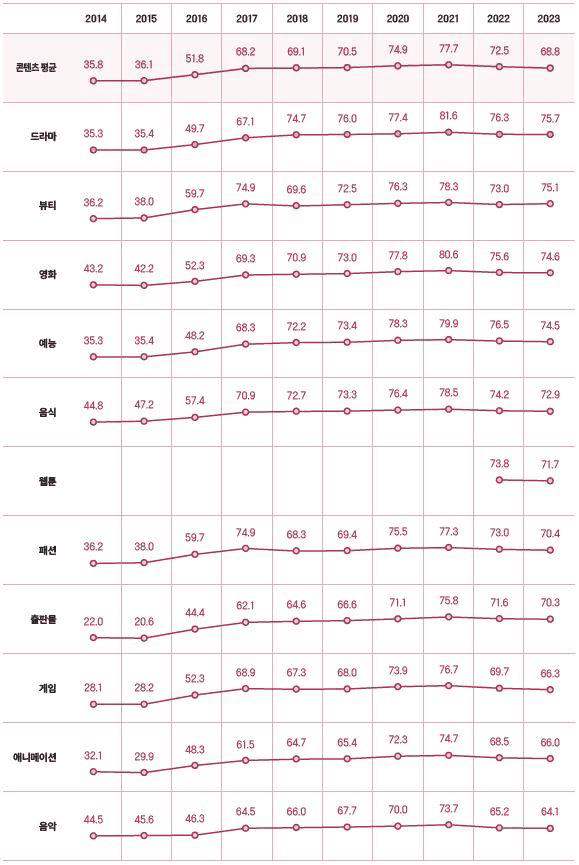
In an era where cultural exports are increasingly becoming a cornerstone of national soft power, South Korea's Hallyu, or the Korean Wave, stands out as a prime example of how art and entertainment can transcend borders, influencing perceptions and fostering a global community of enthusiasts. The Ministry of Culture, Sports and Tourism of South Korea, in collaboration with the Korean Foundation for International Cultural Exchange, has unveiled findings from an expansive survey, casting light on the global reach and reception of Korean cultural content. This survey, conducted across 26 nations with 25,000 participants, not only underscores the prevailing allure of Hallyu but also signals its evolving role in international cultural dynamics.
A staggering 68.8% of respondents across the globe expressed favorable sentiments toward Korean cultural offerings, ranging from dramas and films to music and culinary arts. Particularly high levels of approval were noted in Southeast Asia and the Middle East, with countries like Indonesia, India, Thailand, the United Arab Emirates, and Vietnam leading in positive reception. Such widespread approval highlights the universal appeal of Korean culture, which resonates with diverse audiences worldwide through its unique blend of storytelling, aesthetic, and innovation.
Beyond entertainment, Hallyu has significantly impacted global perceptions of Korea, with 66.1% of respondents acknowledging a positive shift in their view of the country following exposure to its cultural content. This phenomenon illustrates the power of cultural diplomacy, where art and entertainment become conduits for fostering mutual understanding and appreciation between nations.
The survey revealed a robust engagement with Korean content, with participants averaging 11.6 hours per month consuming various forms of Korean media. The findings underscore the varied interests of global audiences, with dramas, music, films, and beauty products standing out as particularly popular categories.
Despite the overwhelmingly positive reception, the survey also shed light on areas for improvement. Approximately 32.6% of participants acknowledged certain negative perceptions of Hallyu, pointing to issues such as excessive sensationalism, lack of originality, and overt commercialization. These insights underscore the need for ongoing innovation and diversification within Korean cultural exports to maintain their global appeal and relevance.
In response to the survey's findings, the Ministry of Culture, Sports and Tourism announced plans to bolster the international expansion of Korean content through strategic initiatives. These include increasing the presence of overseas business centers and launching K-Expos to showcase Korean culture and foster bilateral cultural exchanges. Such efforts reflect a commitment to not only sustaining the momentum of Hallyu but also leveraging it as a vehicle for cultural diplomacy and international cooperation.
As Hallyu continues to weave its narrative across the global tapestry, its influence extends beyond mere entertainment, shaping perceptions, fostering international ties, and showcasing the dynamism of Korean culture. With strategic support and a commitment to innovation, the Korean Wave is poised to remain a pivotal force in global cultural landscapes, bridging divides and bringing diverse communities together through the universal language of art and entertainment.
Continue this reporting
Reporting on the same issue
Related coverage selected from the article's desk, topics and newsroom relationships.
 NewsSep 26, 2026
South Korea’s 490 Regional Doctor Seats Begin a Longer Route to Care
South Korea’s first 490 regional-doctor seats tie medical-school admission to...
 NewsAug 30, 2026
The Hidden Economics of South Korea’s Public Transport
Busan’s latest transport review exposes a wider national problem: South Korea...
 NewsAug 11, 2026
Korea’s Innovation Cities Did Not Grow the Same Way
Nearly two decades after South Korea began relocating public institutions, th...
More from the author
More from this byline
Stay with the same line of reporting through more work from this byline.
 NewsSep 18, 2026
The Other AI Race Is for the Freedom to Change Course
 NewsSep 5, 2026
How a Political Appointment Becomes a Judgment of Character
Reader Signal
Community readWhat did this report leave you with?
Choose the signal that best reflects your reading. Select it again to remove it.
One response per article
No response selected
A moderated conversation about the reporting.
One-level replies and newsroom moderation keep the conversation anchored to this article.
Discussion Status
Open
Please sign in to join the discussion.
Newsletter
Weekly reporting and context from Busan and Korea.