Gangnam Influence on Seoul's Specialized High Schools and Inequality
Seoul, South Korea - Seoul's prestigious specialized high schools, once envisioned as regional centers for fostering elite talent, are now at the center of heated discussions on educational equity in South Korea. Originally established across districts to balance educational opportunities, these schools attract a disproportionately high number of students from Gangnam, Seoul’s wealthiest district, renowned for its educational resources and high-stakes private tutoring industry. Data from the Seo
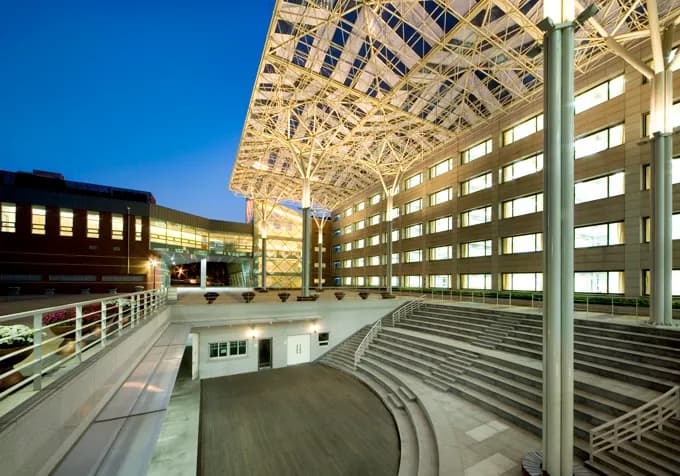
Seoul, South Korea - Seoul's prestigious specialized high schools, once envisioned as regional centers for fostering elite talent, are now at the center of heated discussions on educational equity in South Korea. Originally established across districts to balance educational opportunities, these schools attract a disproportionately high number of students from Gangnam, Seoul’s wealthiest district, renowned for its educational resources and high-stakes private tutoring industry. Data from the Seoul Metropolitan Office of Education reveals that up to 44% of students at certain specialized schools, such as science, foreign language, and arts high schools, come from Gangnam and its neighboring districts. This trend points to a larger issue: the persistent gap in educational access and quality between affluent and less affluent regions, perpetuating a cycle of inequality that policy efforts have struggled to break.
Korea’s specialized high schools are unique public institutions focused on rigorous, field-specific education, whether in STEM, languages, or the arts. Admission into these schools is fiercely competitive, offering students substantial advantages in university admissions and career prospects. For students aiming to excel in science, for example, entering a specialized science high school provides access to resources and networks that can be critical for future success.
Yet, this selectivity raises concerns. With stringent entrance exams and admissions processes, students from wealthier backgrounds—especially those with access to extensive private tutoring—are often better prepared for the demands of these exams. This is particularly evident in Seoul, where private academies in districts like Gangnam play a central role in preparing students for specialized high school admissions, further fueling concerns over equitable access.
Despite their location in less affluent districts such as Gangbuk, Seoul’s specialized high schools draw large numbers of students from Gangnam. For instance, statistics indicate that 44% of students at Dae-won Foreign Language High School are from Gangnam, along with 38.7% of Seoul Arts High School students. Even at Seoul Science High School, which is intended to foster scientific talent from across Seoul, approximately 29.5% of students come from Gangnam and nearby areas.
This concentration highlights the so-called "Gangnam advantage," rooted in the district’s dense concentration of elite private tutoring centers and educational resources. Parents in Gangnam invest heavily in their children’s education, making high-stakes exams a norm rather than an exception. As one education expert noted, “When it comes to specialized school admissions, the scale and intensity of preparation required often put students from less affluent backgrounds at a disadvantage.”
Educational inequality in South Korea is closely tied to income disparities, a trend that has intensified since the 1997 financial crisis. Research demonstrates that students from wealthier families often achieve higher academic results, thanks to their access to private education and extensive preparatory resources. This disparity has become even more pronounced in recent years, as high-income families invest more in their children's academic success, giving them a significant advantage in competitive admissions to elite high schools.
At the same time, regional disparities exacerbate this divide. While specialized high schools are located throughout Seoul, affluent districts such as Gangnam enjoy a disproportionate share of educational resources, including highly competitive private academies that help students prepare for these selective schools. This regional imbalance perpetuates a cycle where only students from well-resourced areas can access the benefits of Korea's elite education pathways.
To address these issues, Seoul’s education authorities have implemented several policies aimed at balancing educational opportunities. For example, specialized schools were strategically placed in less affluent districts like Gangbuk, and policies were introduced to promote fairer access. However, critics argue that these efforts have not been sufficient. Educational experts have pointed out that the core issues—income disparity and educational inequality—persist, as Gangnam students continue to fill seats at specialized schools intended for underrepresented districts.
Public sentiment on this issue is mixed. Some parents and educators argue that specialized schools should implement stricter admission criteria favoring students from less privileged areas. Others believe that the solution lies in broad, systemic changes, including the redistribution of educational resources and increased funding for public schools in less affluent regions. As one Seoul-based education analyst observed, “Without addressing the deeper socioeconomic roots of educational inequality, any policy will be a temporary fix rather than a long-term solution.”
As Seoul grapples with issues of educational inequality and regional disparity, the situation calls for more comprehensive policy measures. Experts suggest that revisiting admissions criteria, enhancing support for public schools in under-resourced areas, and addressing the role of private tutoring in perpetuating inequality could provide meaningful pathways toward greater educational equity. For many, the future of education in Seoul—and South Korea as a whole—depends on tackling these entrenched disparities. Only by bridging the gap between affluent and less privileged districts can Korea hope to foster a more inclusive, balanced, and equitable educational system.
Continue this reporting
Reporting on the same issue
Related coverage selected from the article's desk, topics and newsroom relationships.
 NewsSep 26, 2026
South Korea’s 490 Regional Doctor Seats Begin a Longer Route to Care
South Korea’s first 490 regional-doctor seats tie medical-school admission to...
 NewsAug 30, 2026
The Hidden Economics of South Korea’s Public Transport
Busan’s latest transport review exposes a wider national problem: South Korea...
 NewsAug 11, 2026
Korea’s Innovation Cities Did Not Grow the Same Way
Nearly two decades after South Korea began relocating public institutions, th...
More from the author
More from this byline
Stay with the same line of reporting through more work from this byline.
 NewsSep 18, 2026
The Other AI Race Is for the Freedom to Change Course
 NewsSep 5, 2026
How a Political Appointment Becomes a Judgment of Character
Editorial Record
Corrections, sourcing notes and newsroom disclosures remain part of the published record. View Newsroom Notes →
Reader Signal
Community readWhat did this report leave you with?
Choose the signal that best reflects your reading. Select it again to remove it.
One response per article
No response selected
A moderated conversation about the reporting.
One-level replies and newsroom moderation keep the conversation anchored to this article.
Discussion Status
Open
Please sign in to join the discussion.
Newsletter
Weekly reporting and context from Busan and Korea.