Critique of S. Korea's Ministry of Culture, Sports and Tourism's New Promotion Strategy
Seoul, May 28, 2024 – The Ministry of Culture, Sports and Tourism (MCST) of South Korea has announced an ambitious plan, the "Digital Transformation Era: Overseas Promotion Plan (2024-2027)," aimed at enhancing the nation's global image. While this initiative seeks to leverage digital innovations and strategic communication, a critical analysis suggests that a state-led approach may not be the most effective means of cultural diplomacy in today's interconnected world. One major criticism of sta

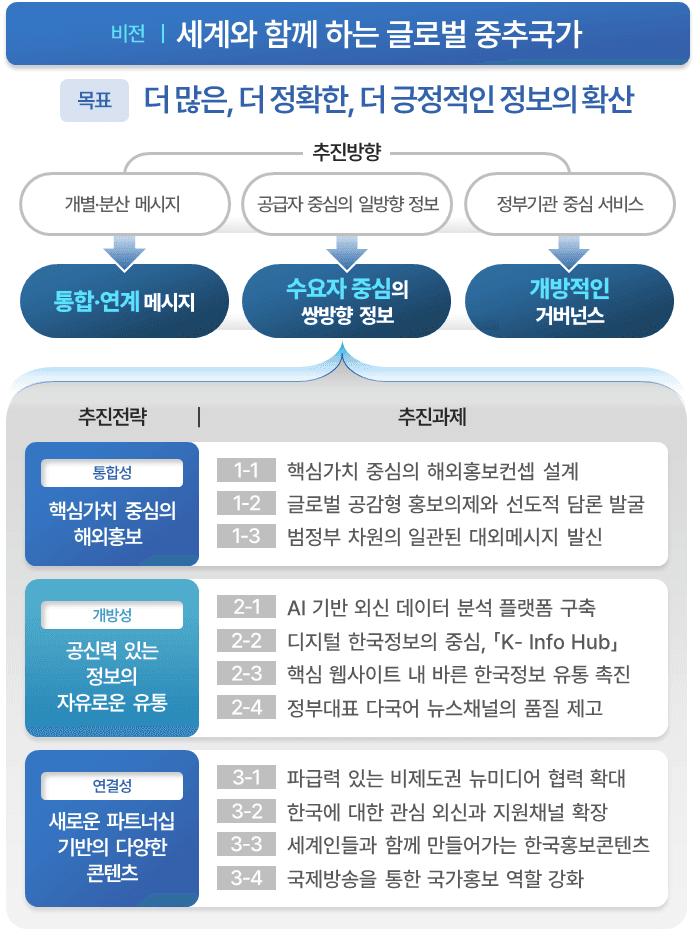
Seoul, May 28, 2024 – The Ministry of Culture, Sports and Tourism (MCST) of South Korea has announced an ambitious plan, the "Digital Transformation Era: Overseas Promotion Plan (2024-2027)," aimed at enhancing the nation's global image. While this initiative seeks to leverage digital innovations and strategic communication, a critical analysis suggests that a state-led approach may not be the most effective means of cultural diplomacy in today's interconnected world.
One major criticism of state-led promotion strategies is the potential for them to appear inauthentic. Authenticity in cultural diplomacy often emerges from grassroots movements and organic cultural exchanges rather than top-down government directives. Academic studies have shown that audiences are more likely to respond positively to cultural representations that feel genuine and unmediated by state interests (Oxford University Press). For example, Japan's "Cool Japan" initiative faced similar challenges, where government efforts to promote cultural products were sometimes seen as contrived and less impactful compared to organic cultural phenomena.
The press release from MCST outlines that the plan includes creating a unified promotional concept overseen by the National Promotion Strategy Committee, focusing on six key messages to define South Korea’s global image: innovative, creative, friendly, trustworthy, growing, and safe. However, the very nature of trying to encapsulate a nation's identity into a set of predefined messages may lead to a one-dimensional portrayal that fails to capture the complexity and diversity of South Korean culture.
The plan's reliance on AI-based systems for data analysis and centralized platforms like the K-Info Hub to disseminate information raises concerns about the effectiveness and credibility of such tools. While leveraging technology for information dissemination is a step in the right direction, the over-reliance on AI for data analysis and content creation might lack the nuance required for effective storytelling and cultural representation.
The initiative mentions setting up an AI-based foreign media data analysis system and a K-Info Hub platform to provide integrated digital information about South Korea. However, centralized government platforms might struggle to gain the trust of global audiences, who may be skeptical of information perceived as state-controlled. The effectiveness of this strategy hinges on the perceived impartiality and trustworthiness of the information provided.
The strategy to engage global influencers and resident foreigners also presents potential pitfalls. Influencers often have their own brand integrity and might resist being co-opted into government campaigns, fearing a loss of authenticity and trust with their audience. Additionally, using resident foreigners as promotional tools can come across as tokenistic if their involvement isn't genuinely collaborative and respectful.
The plan outlines engaging with internationally renowned media figures and alternative media outlets, as well as strengthening ties with foreigners residing in South Korea to enhance promotional efforts. However, these relationships need to be handled with genuine engagement and respect for the individuals involved to avoid perceptions of tokenism.
Other countries’ experiences with state-led cultural diplomacy offer valuable lessons. China's cultural diplomacy, often referred to as a "Charm Offensive," has had mixed results, with some initiatives perceived as overly strategic and lacking genuine engagement. Similarly, South Korea's previous efforts in cultural diplomacy, such as the promotion of K-pop and Korean cinema, have seen greater success when driven by market forces and cultural trends rather than state intervention.
While the "Digital Transformation Era Overseas Promotion Plan" is well-intentioned, it may benefit from a more decentralized approach that prioritizes authenticity and organic cultural expression. Effective cultural diplomacy in the digital age likely requires a balance between strategic initiatives and allowing the natural vibrancy of a nation's culture to shine through independently. South Korea’s true strength in global cultural influence may lie in its ability to foster and support grassroots cultural movements rather than control them.
Continue this reporting
Reporting on the same issue
Related coverage selected from the article's desk, topics and newsroom relationships.
 NewsSep 26, 2026
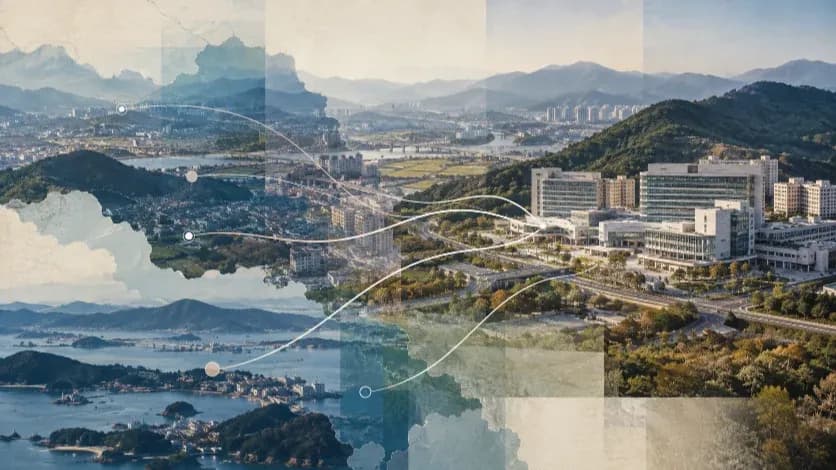
South Korea’s 490 Regional Doctor Seats Begin a Longer Route to Care
South Korea’s first 490 regional-doctor seats tie medical-school admission to...
 NewsAug 30, 2026
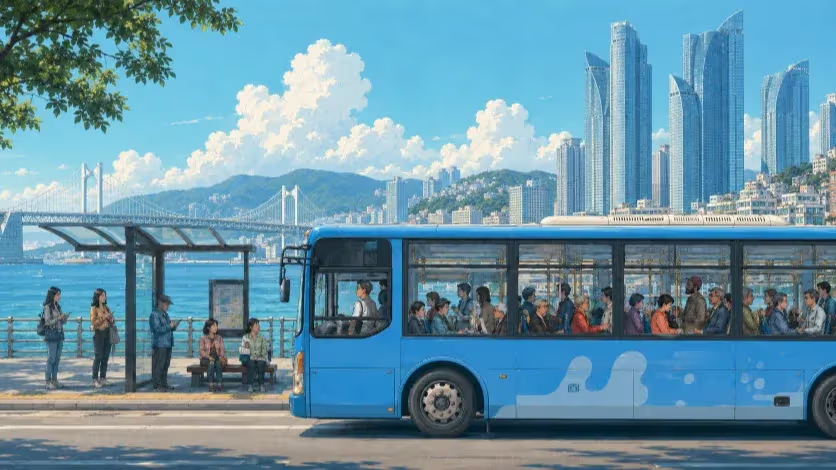
The Hidden Economics of South Korea’s Public Transport
Busan’s latest transport review exposes a wider national problem: South Korea...
 NewsAug 11, 2026
Korea’s Innovation Cities Did Not Grow the Same Way
Nearly two decades after South Korea began relocating public institutions, th...
More from the author
More from this byline
Stay with the same line of reporting through more work from this byline.
 NewsSep 18, 2026
The Other AI Race Is for the Freedom to Change Course
 NewsSep 5, 2026
How a Political Appointment Becomes a Judgment of Character
Reader Signal
Community readWhat did this report leave you with?
Choose the signal that best reflects your reading. Select it again to remove it.
One response per article
No response selected
A moderated conversation about the reporting.
One-level replies and newsroom moderation keep the conversation anchored to this article.
Discussion Status
Open
Please sign in to join the discussion.
Newsletter
Weekly reporting and context from Busan and Korea.