Chuseok 2024 Heatwave: A Sign of Climate Change?
Chuseok, traditionally celebrated under cool, crisp autumn skies, has seen a significant shift in weather patterns in recent years. Historically, this mid-autumn festival brought mild temperatures, with average daytime highs ranging between 20°C to 25°C, providing an ideal backdrop for outdoor family gatherings and ancestral rituals. However, this year’s Chuseok has been marked by an unprecedented heatwave, with temperatures in Seoul hitting a record 35°C—levels unseen in September since 1939. T

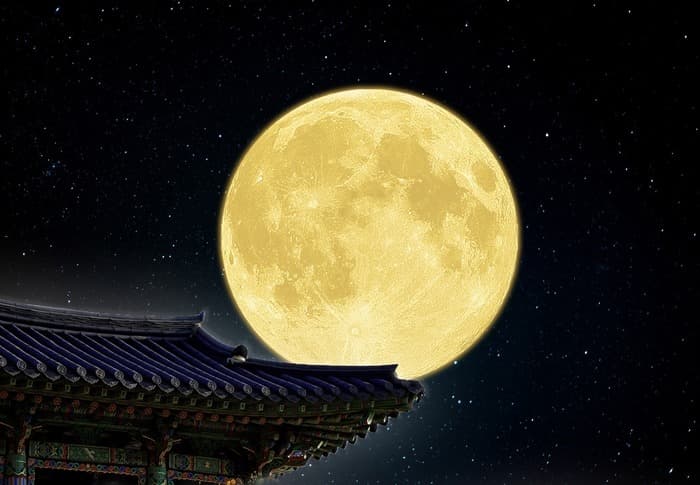
Chuseok, traditionally celebrated under cool, crisp autumn skies, has seen a significant shift in weather patterns in recent years. Historically, this mid-autumn festival brought mild temperatures, with average daytime highs ranging between 20°C to 25°C, providing an ideal backdrop for outdoor family gatherings and ancestral rituals. However, this year’s Chuseok has been marked by an unprecedented heatwave, with temperatures in Seoul hitting a record 35°C—levels unseen in September since 1939. This anomalous weather has raised concerns about the accelerating effects of climate change on Korea’s seasonal cycles.
This year’s Chuseok, instead of the anticipated cool breezes, has brought extreme heat. Cities such as Seoul and Daejeon recorded daytime temperatures as high as 35°C, making it the hottest Chuseok in decades. Seoul also experienced its latest tropical night since 1935, where night-time temperatures remained above 25°C. These conditions mirror peak summer weather, which normally subsides by the end of August, making this year’s heatwave highly unusual for the season.
The Korea Meteorological Administration (KMA) attributes this prolonged heat to a combination of factors, including the Tibetan high-pressure system and warm southeasterly winds. Such conditions have led to warnings across much of the country, further highlighting the severity of this anomalous event.
The unexpected heat has had a notable impact on energy consumption. During the Chuseok holiday, power demand surged to 99.3GW, levels typically associated with the height of summer. In response, the government delayed maintenance on several power plants to ensure that additional capacity was available to meet the high demand. Despite these efforts, the surge in electricity use has placed strain on Korea’s energy infrastructure, with higher operational costs expected for both businesses and households.
This anomalous heatwave is a stark reminder of the growing influence of climate change. The high temperatures experienced during this year’s Chuseok are not isolated incidents but part of a broader global trend of increasingly extreme weather. Rising global temperatures have made such heatwaves more frequent and prolonged, altering traditional seasonal patterns.
Experts warn that these conditions may become more common as the planet continues to warm, making it difficult to predict and manage seasonal weather events. The prolonged heat during Chuseok, once an anomaly, could signal a future where such extreme weather becomes the norm during traditionally cooler months.
The anomalous heat is also affecting agriculture. Prolonged high temperatures during the fall harvest season can damage crops, particularly rice and fruits, which are integral to traditional Chuseok meals. Many farmers have already reported lower yields, which could impact food prices during the holiday.
In addition to agriculture, the extreme weather is reshaping Chuseok traditions. Typically, families gather outdoors for ancestral rites and social events, but the heat has forced many to scale back or alter their celebrations, moving activities indoors to avoid the discomfort and health risks posed by the high temperatures.
Looking ahead, South Korea faces the challenge of adapting to increasingly unpredictable weather. The expansion of renewable energy sources, such as solar and wind, offers a partial solution, but their current contribution remains limited during peak demand. On one of the hottest days this September, solar energy contributed only 1.6% of total electricity generation, underscoring the need for continued investment in sustainable energy infrastructure.
At the policy level, there is an ongoing debate about how to balance the country’s energy security with environmental sustainability. Policymakers must take swift action to address the long-term impacts of climate change while ensuring that the energy grid can withstand future demand surges.
Continue this reporting
Reporting on the same issue
Related coverage selected from the article's desk, topics and newsroom relationships.
 NewsSep 26, 2026
South Korea’s 490 Regional Doctor Seats Begin a Longer Route to Care
South Korea’s first 490 regional-doctor seats tie medical-school admission to...
 NewsAug 30, 2026
The Hidden Economics of South Korea’s Public Transport
Busan’s latest transport review exposes a wider national problem: South Korea...
 NewsAug 11, 2026
Korea’s Innovation Cities Did Not Grow the Same Way
Nearly two decades after South Korea began relocating public institutions, th...
More from the author
More from this byline
Stay with the same line of reporting through more work from this byline.
 NewsSep 18, 2026
The Other AI Race Is for the Freedom to Change Course
 NewsSep 5, 2026
How a Political Appointment Becomes a Judgment of Character
Reader Signal
Community readWhat did this report leave you with?
Choose the signal that best reflects your reading. Select it again to remove it.
One response per article
No response selected
A moderated conversation about the reporting.
One-level replies and newsroom moderation keep the conversation anchored to this article.
Discussion Status
Open
Please sign in to join the discussion.
Newsletter
Weekly reporting and context from Busan and Korea.