Greening Busan’s Hillsides Through Innovation and Planning
Busan, South Korea – In the shadows of Busan’s shimmering skyscrapers lie its older districts—Jung-gu, Dong-gu, Seo-gu, and Yeongdo-gu—areas that once formed the heartbeat of the city. Today, these neighborhoods are grappling with a surge in vacant homes, crumbling infrastructure, and dwindling populations. Set against the steep backdrop of Busan’s iconic hillsides, these challenges are compounded by the city’s unique geography, making redevelopment both a necessity and a complex puzzle. Yet, wi

Busan, South Korea – In the shadows of Busan’s shimmering skyscrapers lie its older districts—Jung-gu, Dong-gu, Seo-gu, and Yeongdo-gu—areas that once formed the heartbeat of the city. Today, these neighborhoods are grappling with a surge in vacant homes, crumbling infrastructure, and dwindling populations. Set against the steep backdrop of Busan’s iconic hillsides, these challenges are compounded by the city’s unique geography, making redevelopment both a necessity and a complex puzzle. Yet, with innovation and strategic planning, these neglected areas could rise as models of sustainable urban regeneration.
Busan’s historic core has seen a steady increase in vacant homes, reflecting broader urbanization trends that have shifted the city’s focus to newer developments. According to city statistics, Yeongdo-gu alone houses over 1,300 vacant properties, with thousands more scattered across Jung-gu, Dong-gu, and Seo-gu. These abandoned structures, often precariously perched on steep slopes, not only mar the city’s aesthetic appeal but also pose safety risks, from fire hazards to structural collapses.
The geography of these neighborhoods exacerbates the problem. Narrow, winding roads limit accessibility, isolating residents and deterring investment. While redevelopment efforts in Busan have largely focused on high-rise apartments, such projects often overlook the nuanced needs of hillside communities, leaving the root problems unaddressed.
Urban renewal challenges are not unique to Busan. Around the world, cities have transformed their most neglected areas through bold, innovative solutions, offering valuable lessons.
In Paris, France, the upcoming Câble 1 project, scheduled to open in 2025, represents the city's first aerial cable car system. Spanning 4.5 kilometers, it will connect suburban areas like Créteil and Villeneuve-Saint-Georges, alleviating urban congestion while enhancing connectivity. Designed to integrate seamlessly with existing public transit networks, this project highlights how densely populated, developed cities can adopt sustainable infrastructure to bridge geographical divides. For Busan, facing similar challenges of steep terrain and isolated neighborhoods, Câble 1 offers a roadmap for success.
Singapore provides another compelling blueprint. Known for its meticulous urban planning, the city-state has seamlessly integrated greenery into its dense urban fabric. Projects like Gardens by the Bay and extensive rooftop gardens enhance biodiversity, mitigate urban heat, and improve residents’ quality of life. Singapore’s Green Mark certification system further ensures that buildings meet stringent environmental standards, underscoring its commitment to sustainability.
Medellín, Colombia, also offers a transformative example. The introduction of its Metrocable system revolutionized hillside neighborhoods once cut off from the city. Affordable and efficient, the cable car network drastically reduced commute times, increased accessibility, and revitalized these communities through improved economic opportunities. For Busan, a similar system could directly address the inaccessibility of its hillside districts while spurring local development.
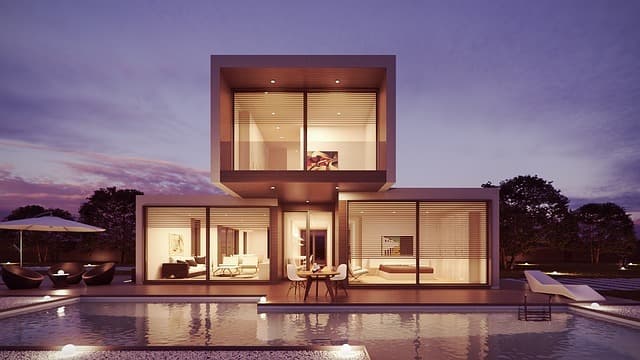
Busan’s hillside neighborhoods are ideally suited for modular housing, a construction method that is both cost-effective and environmentally friendly. Prefabricated modules can be customized to fit steep terrains, turning abandoned lots into modern, energy-efficient homes. This approach not only reduces construction time and waste but also revitalizes derelict spaces, creating vibrant residential clusters tailored to the community’s needs.
To overcome the geographic barriers of hillside neighborhoods, Busan could implement a cable car network inspired by projects in Medellín and Paris. Connecting areas like Yeongdo-gu and Dong-gu to urban transit hubs would drastically reduce travel times and reliance on private vehicles. Beyond its functional benefits, a cable car system could serve as a tourist attraction, offering panoramic views of Busan’s coastline and boosting local businesses around transit stations.
Busan’s redevelopment must prioritize green spaces. Vacant lots could be transformed into community parks, urban farms, or micro-forests, enhancing biodiversity while providing residents with recreational areas. Following Singapore’s lead, rooftop gardens and vertical greenery should be integral to new developments, reducing urban heat and improving air quality. Strategic zoning regulations must ensure a balance between residential, recreational, and ecological areas, fostering neighborhoods that are livable and sustainable.
Urban renewal cannot succeed without the involvement of those it aims to serve. Residents of Busan’s hillside neighborhoods must play an active role in shaping redevelopment plans to ensure their needs are reflected. Initiatives like workshops, public forums, and collaborative planning can build trust and foster community pride. Repurposing vacant lots as cultural hubs or artisanal markets would preserve the unique identity of these areas while promoting economic opportunities.
Implementing these ambitious plans comes with its challenges. While funding large-scale projects like cable cars requires innovative financing solutions—such as public-private partnerships and government grants—the potential for environmental concerns should not be overstated. Unlike new development in untouched natural areas, Busan’s hillside neighborhoods already host existing homes, roads, and aging infrastructure. Redevelopment in these areas presents an opportunity to improve urban aesthetics and functionality without significant ecological disruption.
A well-designed cable car system, with careful attention to aesthetics, could not only enhance accessibility but also elevate the visual appeal of these neighborhoods. By integrating sleek, modern designs into the system, the cable cars could become a signature feature of Busan’s skyline, offering residents and visitors breathtaking views of the city and coastline.
Further, replacing vacant and deteriorating homes with modular housing presents a chance to rethink the cityscape. Modular housing with innovative terraced layouts could complement the natural contours of the hillsides, creating visually striking and sustainable neighborhoods. These homes could incorporate eco-friendly features such as green roofs, solar panels, and energy-efficient designs, blending modern living with environmental stewardship.
In addition to housing, the redevelopment plan could embrace urban agriculture, turning unused plots into community gardens or vertical farms. These spaces would not only provide fresh produce but also foster community engagement and promote environmental awareness. With the integration of renewable energy systems like solar and wind, the revitalized neighborhoods could become self-sustaining hubs of green innovation.
By approaching redevelopment as an opportunity for beautification and sustainability, Busan can transform its hillsides into vibrant, environmentally conscious communities that set a global benchmark for urban renewal. Instead of being a source of concern, these projects could become a testament to the city’s commitment to blending modernity with natural harmony.
Busan’s hillside neighborhoods are more than just areas in need of redevelopment—they represent untapped opportunities to redefine the city’s identity. By embracing innovative solutions like modular housing, cable cars, and green urban planning, Busan can transform these neglected areas into thriving, sustainable communities.
The steep slopes of Yeongdo-gu, Seo-gu, Jung-gu, and Dong-gu no longer need to symbolize decay and neglect. With bold leadership, community collaboration, and strategic investment, they can rise as shining examples of what urban renewal can achieve: a blend of accessibility, sustainability, and cultural preservation that enhances the lives of residents and sets a global benchmark for hillside urban regeneration.
As Busan looks to the future, the path forward is clear. The city’s hillsides, long seen as obstacles, can become its greatest assets—green, vibrant, and connected.
Continue this reporting
Reporting on the same issue
Related coverage selected from the article's desk, topics and newsroom relationships.
 NewsOct 16, 2026
What Is Still Worth Going to See?
Busan’s biennale faces questions of artistic judgment and institutional care....
 NewsOct 14, 2026
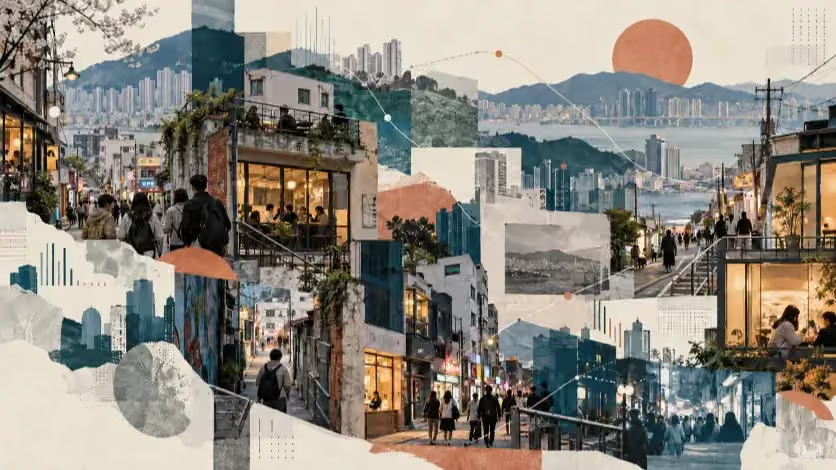
What Became of Busan’s University Streets?
From 2015 to 2023, registered businesses grew near Pusan National University...
 NewsOct 12, 2026
Bukangi, the Shark That Stayed in Busan’s North Port
A rescue net guided Bukangi toward the sea, but the dusky shark returned to B...
More from the author
More from this byline
Stay with the same line of reporting through more work from this byline.
 NewsOct 9, 2026
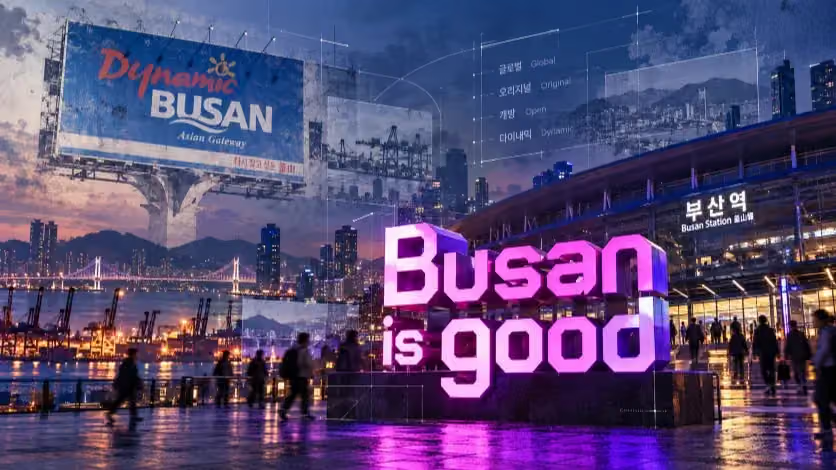
Why “Busan Is Good” Falls Short as a City Brand
 NewsSep 18, 2026
The Other AI Race Is for the Freedom to Change Course
Reader Signal
Community readWhat did this report leave you with?
Choose the signal that best reflects your reading. Select it again to remove it.
One response per article
No response selected
A moderated conversation about the reporting.
One-level replies and newsroom moderation keep the conversation anchored to this article.
Discussion Status
Open
Please sign in to join the discussion.
Newsletter
Weekly reporting and context from Busan and Korea.