Korea’s Interest Rate Cuts: Bold Move or Risky Gamble?
Seoul, South Korea - In a surprising turn, the Bank of Korea (BOK) recently reduced its benchmark interest rate by 0.25 percentage points for the second month in a row, bringing it to 3.0% from 3.25%. This move marks the first consecutive rate cut since the 2008 global financial crisis. The decision reflects growing concerns over Korea’s sluggish economy and underscores the urgency to stimulate domestic demand and avert further economic decline. However, this bold policy shift raises pressing qu

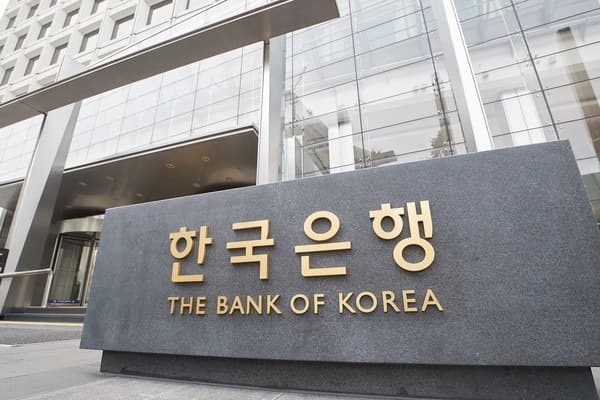
Seoul, South Korea - In a surprising turn, the Bank of Korea (BOK) recently reduced its benchmark interest rate by 0.25 percentage points for the second month in a row, bringing it to 3.0% from 3.25%. This move marks the first consecutive rate cut since the 2008 global financial crisis. The decision reflects growing concerns over Korea’s sluggish economy and underscores the urgency to stimulate domestic demand and avert further economic decline. However, this bold policy shift raises pressing questions: Can rate cuts reinvigorate Korea’s economy, or will they intensify its deep-seated structural challenges?
The Economic Backdrop
Korea’s economic trajectory has been underwhelming, with the BOK revising its 2023 GDP growth forecast to 2.2%, down from an earlier estimate of 2.4%. Projections for 2024 are even bleaker at 1.9%, falling below the country’s potential growth rate of 2%. These numbers reveal structural issues such as stagnant productivity, weakening export demand, and insufficient domestic consumption.
The nation’s household debt-to-GDP ratio stands at 93.5%, one of the highest globally. This excessive debt burden leaves households highly vulnerable to financial shocks, undermining the potential impact of monetary easing. Moreover, stagnant wage growth and elevated living costs continue to suppress consumer spending, further exacerbating domestic economic challenges.
Why the Bank of Korea Cut Rates
The BOK’s decision to lower interest rates serves multiple purposes:
- Stimulating Domestic Demand
By reducing borrowing costs, the BOK hopes to encourage consumer spending and business investments, both of which have remained sluggish. This is a critical measure to counteract the dampening effects of prolonged high interest rates. - Cushioning Against a Recession
With global trade uncertainties persisting, Korea faces a heightened risk of recession. As a preemptive step, the rate cuts aim to soften the blow of external economic headwinds, particularly as exports—Korea’s primary growth engine—struggle to regain momentum. - Supporting the Real Estate Market
Real estate constitutes 64% of household assets in Korea, compared to just 28.5% in the U.S. Lower interest rates could ease the financial strain on heavily indebted homeowners, potentially revitalizing property transactions and boosting related sectors like construction.
The Risks and Challenges
While rate cuts provide immediate relief, they also carry significant risks:
- Debt Accumulation
Lower borrowing costs may incentivize households to take on additional debt, compounding the already precarious debt-to-GDP ratio. This could strain financial stability and limit the economy’s resilience to future shocks. - Potential Inflationary Pressures
Although inflation is currently subdued, the expanded money supply resulting from lower rates could reignite inflation, diminishing the purchasing power of households and negating the intended benefits of monetary easing. - Global and Domestic Uncertainties
Korea’s reliance on exports makes it particularly sensitive to global economic shifts. Additionally, without structural reforms, domestic challenges like stagnant productivity and unequal wealth distribution may persist, limiting the effectiveness of monetary policies.
Structural Issues in Korea’s Economy
Korea’s heavy reliance on real estate as the primary store of household wealth has far-reaching implications:
- Wealth Inequality
Rising real estate values disproportionately benefit property owners, widening the wealth gap. Young people, faced with exorbitant housing prices, are increasingly excluded from property ownership, deepening generational inequality. - Limited Economic Mobility
High housing costs and stagnant wages restrict younger generations from accumulating wealth or advancing economically. This lack of mobility erodes public trust in the economic system and stifles innovation. - Low Financial Diversification
The overwhelming focus on real estate limits household exposure to financial assets, reducing liquidity and flexibility during economic downturns.
Policy Pathways for Korea’s Economic Stability and Growth
To navigate its economic challenges, Korea must adopt a multifaceted approach that addresses immediate needs while laying the foundation for long-term stability. The recent interest rate cuts aim to stimulate domestic demand and mitigate deflationary risks. These short-term measures, however, must be complemented by broader fiscal policies. For instance, targeted financial support to low-income households and small businesses can help address immediate vulnerabilities while reinforcing the economic recovery.
In the long term, Korea must diversify its economic framework to reduce its overreliance on real estate. Encouraging households to invest in financial assets through improved financial literacy programs and tax incentives can enhance asset flexibility and resilience. Simultaneously, measures to curb speculative property investments and expand affordable housing options are crucial to easing the structural pressures caused by an inflated real estate market.
Economic mobility must also be prioritized to empower younger generations. Strengthening education, job training, and employment opportunities will ensure that individuals can climb the economic ladder regardless of their starting position. At the same time, wealth inequality must be addressed through progressive taxation policies targeting property and inheritance, redistributing resources more equitably across society.
Korea’s economic challenges are unique yet not insurmountable, and comparative insights from other economies offer valuable lessons. In the United States, financial assets account for 71.5% of household wealth, creating a more diversified and liquid asset base. This structure fosters greater economic mobility and reduces reliance on volatile property markets, offering a model for Korea to consider.
Similarly, within the OECD, Korea’s high levels of household debt and disproportionate reliance on real estate are notable outliers. Aligning Korea’s economic policies with global best practices—such as promoting financial diversification and implementing robust social safety nets—could help stabilize the economy while fostering sustainable growth.
A Balancing Act for Sustainable Growth
The Bank of Korea’s consecutive interest rate cuts represent a calculated response to Korea’s economic challenges. While these measures may provide short-term relief, they alone cannot resolve deeper structural issues. To ensure sustainable growth, Korea must adopt a dual approach: leveraging monetary policy to address immediate needs while pursuing comprehensive reforms to enhance economic resilience, reduce inequality, and foster upward mobility. Only through such a balanced strategy can Korea pave the way for a more inclusive and robust economic future.
Continue this reporting
Reporting on the same issue
Related coverage selected from the article's desk, topics and newsroom relationships.
 NewsSep 24, 2026
Taiwan’s AI Boom Is Surging, but Wealth Follows a Different Map
Taiwan’s semiconductor boom is lifting output and incomes at extraordinary sp...
 NewsSep 10, 2026
Busan Records 1.3 Percent Unemployment as Male and Female Employment Diverge
Busan’s 1.3 percent unemployment rate reflects real job growth, but not a bro...
 NewsSep 4, 2026
Korea Moves Deeper Into the Global Market for Long-Term Capital
Japanese yields are rising, Korean bonds are entering the WGBI and American p...
More from the author
More from this byline
Stay with the same line of reporting through more work from this byline.
 NewsOct 9, 2026
Why “Busan Is Good” Falls Short as a City Brand
 NewsSep 18, 2026
The Other AI Race Is for the Freedom to Change Course
Reader Signal
Community readWhat did this report leave you with?
Choose the signal that best reflects your reading. Select it again to remove it.
One response per article
No response selected
A moderated conversation about the reporting.
One-level replies and newsroom moderation keep the conversation anchored to this article.
Discussion Status
Open
Please sign in to join the discussion.
Newsletter
Weekly reporting and context from Busan and Korea.