Korea Faces Crucial Challenge in Pursuing Balanced National Development
South Korea's population has been increasingly concentrated in the Seoul Capital Area (SCA) over the past few decades, leading to overcrowding, high living costs, and a decline in quality of life. The SCA accounts for over half of the country's population and holds most of the nation's public institutions, leading to a significant concentration of wealth and resources in the region. The Government's Proposal for Public Institution Relocations To address this issue, the government has proposed

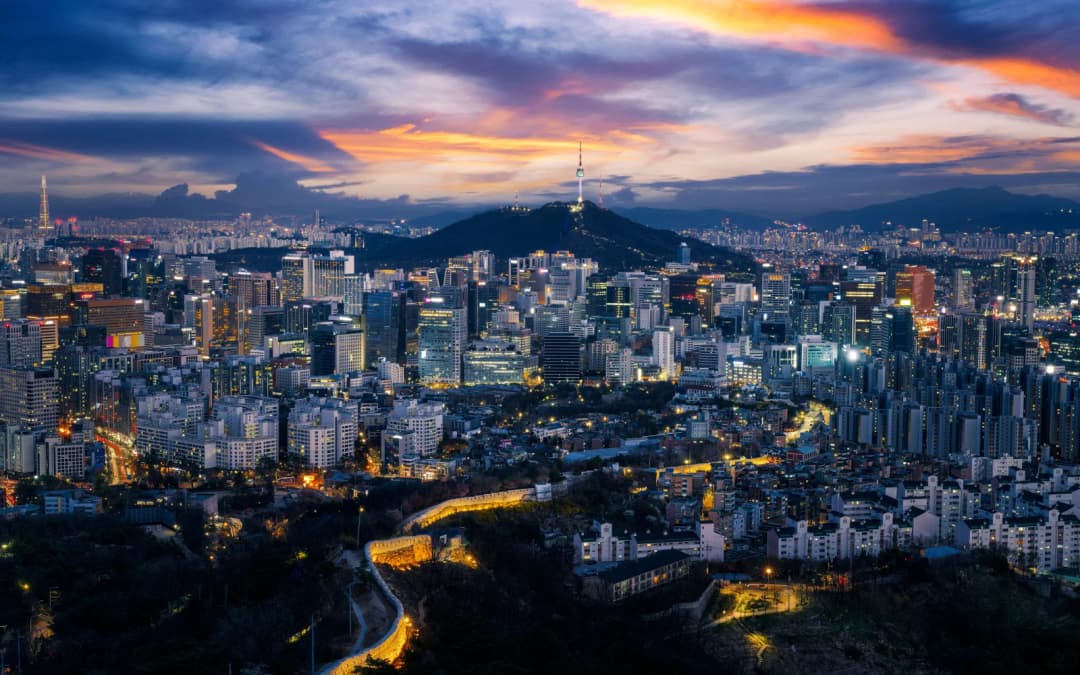
South Korea's population has been increasingly concentrated in the Seoul Capital Area (SCA) over the past few decades, leading to overcrowding, high living costs, and a decline in quality of life. The SCA accounts for over half of the country's population and holds most of the nation's public institutions, leading to a significant concentration of wealth and resources in the region.
The Government's Proposal for Public Institution Relocations
To address this issue, the government has proposed a second round of public institution relocations outside of the SCA. The move aims to encourage growth in other areas of the country, stimulate the economy, and create job opportunities. The current Special Act on Balanced National Development states that any area with at least 500 public institutions should be relocated outside the SCA, but gaining societal consensus for the second round of relocations of public institutions is a challenging task for the government to initiate.
Challenges in Achieving Balanced National Development
The high cost of living in the SCA is also making it difficult for young people to start families, with housing prices continuing to rise and the birth rate dropping. A better distribution of resources and incentives is needed to encourage individuals to consider living outside of the capital city. While concentrated development has been the key to South Korea's economic success, it's now crucial for the country to prioritize balanced national development to ensure its long-term sustainability.
Struggles of Local Governments in Smaller Cities and Towns
Many smaller cities and towns in South Korea, outside of the capital city of Seoul, are struggling to survive because young people are leaving in search of good jobs, causing the population to decline. Local governments in these areas are eager to attract public institutions to their towns and cities to help create jobs and stimulate economic growth. Some local governments have already started selecting more than 30 public institutions to relocate to their areas and are developing plans to make their towns and cities more attractive to these institutions.
Competition and Fairness in Public Institution Relocations
The government's proposal to move as many as 360 public institutions has created competition between local governments, with some even requesting priority for relocating the most prestigious institutions. As a result, the Presidential Committee for Balanced National Development, which supervises the relocation process, is facing a challenging situation. The committee aims to launch the relocation process in the second half of this year, and to ensure a fair and balanced process, will enter into discussions with the Ministry of Land, Infrastructure, and Transport in the first half of this year to establish clear principles and selection criteria for the relocation process.
Other Measures for Balanced National Development
The government recognizes that public institution relocations alone may not be sufficient to achieve balanced national development. Therefore, it is exploring additional measures to drive growth and promote equitable distribution of wealth and resources. One such measure is the promotion of high-tech industries in other regions, which can help spur economic growth and innovation. Additionally, the expansion of transportation infrastructure can facilitate the efficient movement of people and goods, connecting previously isolated areas and unlocking their potential for development. The government is also offering financial and tax incentives to companies that establish branches outside of the SCA, incentivizing them to invest in and contribute to the growth of regions beyond the capital city.
Importance of Balanced National Development for South Korea's Future Sustainability and Growth
Balanced national development is a crucial issue for South Korea's future sustainability and growth. By reducing the concentration of wealth and resources in the SCA and promoting growth in other regions, the government can help create a more equitable and prosperous society for all South Koreans. While it may be a challenging process, it's important for the government to pursue balanced national development to ensure the long-term prosperity of the country.
Continue this reporting
Reporting on the same issue
Related coverage selected from the article's desk, topics and newsroom relationships.
 NewsSep 24, 2026
Taiwan’s AI Boom Is Surging, but Wealth Follows a Different Map
Taiwan’s semiconductor boom is lifting output and incomes at extraordinary sp...
 NewsSep 10, 2026
Busan Records 1.3 Percent Unemployment as Male and Female Employment Diverge
Busan’s 1.3 percent unemployment rate reflects real job growth, but not a bro...
 NewsSep 4, 2026
Korea Moves Deeper Into the Global Market for Long-Term Capital
Japanese yields are rising, Korean bonds are entering the WGBI and American p...
More from the author
More from this byline
Stay with the same line of reporting through more work from this byline.
 NewsOct 9, 2026
Why “Busan Is Good” Falls Short as a City Brand
 NewsSep 18, 2026
The Other AI Race Is for the Freedom to Change Course
Reader Signal
Community readWhat did this report leave you with?
Choose the signal that best reflects your reading. Select it again to remove it.
One response per article
No response selected
A moderated conversation about the reporting.
One-level replies and newsroom moderation keep the conversation anchored to this article.
Discussion Status
Open
Please sign in to join the discussion.
Newsletter
Weekly reporting and context from Busan and Korea.