How the U.S. Fed’s 2024 Rate Cut Affects South Korea’s Economy
In September 2024, the U.S. Federal Reserve slashed interest rates by 50 basis points, marking its first rate reduction in four years. The Fed’s decision, aimed at stabilizing inflation and addressing rising unemployment, is part of an ongoing effort to stimulate the U.S. economy amidst cooling price increases. However, this policy shift is having significant ripple effects globally, especially in economies like South Korea, which now faces critical decisions about its own monetary strategy. Th

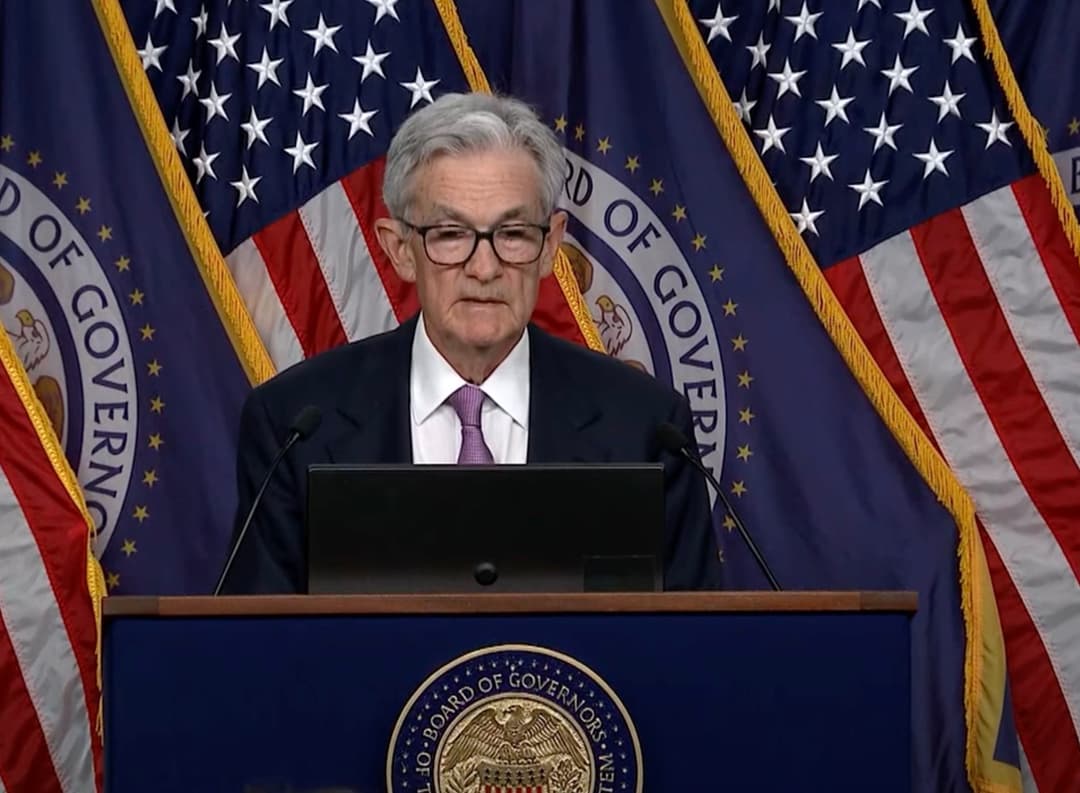
In September 2024, the U.S. Federal Reserve slashed interest rates by 50 basis points, marking its first rate reduction in four years. The Fed’s decision, aimed at stabilizing inflation and addressing rising unemployment, is part of an ongoing effort to stimulate the U.S. economy amidst cooling price increases. However, this policy shift is having significant ripple effects globally, especially in economies like South Korea, which now faces critical decisions about its own monetary strategy.
The Federal Reserve’s decision to cut rates comes in the wake of inflationary pressures easing from historic highs. Although inflation has cooled, lingering concerns over unemployment and a sluggish housing market have motivated the Fed to act. The housing sector, in particular, has struggled due to high mortgage rates, which peaked above 7.75% in 2023. The rate cut is expected to provide some relief by lowering borrowing costs, potentially revitalizing home sales and improving affordability for buyers.
Despite these efforts, the U.S. labor market remains fragile. While job growth continues, it has slowed significantly, and the unemployment rate has inched up to 4.2%. Lower interest rates could stimulate hiring as businesses find it easier to secure financing, though the full effects of these cuts may take time to materialize. Additionally, consumer debt, particularly credit card balances, has been rising. The recent reduction in interest rates is anticipated to ease the burden on households, especially those in lower-income brackets who are more vulnerable to credit strains.
In response to the U.S. rate cut, South Korea is facing a complex economic scenario. While the Bank of Korea (BoK) has held its interest rate steady at 3.5%, pressure is mounting for the central bank to consider a rate cut of its own. However, the BoK remains cautious, balancing the need to stimulate domestic demand with concerns over rising household debt and an overheated housing market, particularly in Seoul.
Although inflation in South Korea has stabilized around the 2% target, the BoK is wary of prematurely lowering rates. The central bank is closely monitoring global financial markets, especially the U.S. Federal Reserve’s next moves, before making any decisions. Nevertheless, there are signs that the BoK may opt for a rate cut in the coming months, as four out of six board members have shown support for easing monetary policy. This shift could occur as early as October or November, depending on the state of the global and domestic economies.
South Korea’s economic outlook is complicated by the interplay between domestic factors and global developments. The country’s housing market, already under pressure from rising prices, could face further challenges if a rate cut triggers increased borrowing. While lower interest rates would make home loans more affordable, they could also fuel demand and push prices even higher, particularly in the capital city of Seoul. This dynamic poses a dilemma for the BoK, which must carefully weigh the risks of exacerbating the housing bubble against the need to support economic growth.
Beyond the domestic housing market, South Korea’s export sector stands to benefit from global financial easing. As borrowing costs decline, demand for key exports, including semiconductors, is expected to rise. The country’s IT and semiconductor industries, in particular, are poised for significant growth, driven by advancements in AI technology and increasing global demand for IT infrastructure. The U.S. rate cut could indirectly support these sectors by improving the global investment climate, potentially boosting South Korea’s economic recovery.
The global economic environment remains fraught with uncertainties, including geopolitical tensions in Ukraine and the Middle East. These factors, coupled with the potential for further currency fluctuations, could influence South Korea’s economic trajectory in the coming months. A widening interest rate gap between South Korea and the U.S. could lead to a depreciation of the Korean won, making imports more expensive and adding inflationary pressure to the domestic economy.
Additionally, the upcoming U.S. presidential election adds another layer of uncertainty. The possibility of shifts in U.S. economic policy could affect South Korea’s financial markets, as the country’s export-driven economy is highly sensitive to global trade dynamics. With these geopolitical and economic risks in mind, South Korean policymakers are likely to proceed with caution, carefully balancing domestic economic priorities with the realities of an interconnected global market.
As the U.S. Federal Reserve continues to lower interest rates, global economies are responding with varying degrees of caution and optimism. In South Korea, the Bank of Korea is navigating a delicate situation, balancing the need for economic stimulus with concerns over financial stability and rising household debt. With inflation stabilizing and export opportunities growing, the BoK is likely to consider a rate cut in the near future, but the decision will be influenced by both domestic conditions and global market dynamics. The coming months will be critical as policymakers in South Korea and the U.S. work to stabilize their respective economies amidst a backdrop of uncertainty.
Continue this reporting
Reporting on the same issue
Related coverage selected from the article's desk, topics and newsroom relationships.
 NewsSep 24, 2026
Taiwan’s AI Boom Is Surging, but Wealth Follows a Different Map
Taiwan’s semiconductor boom is lifting output and incomes at extraordinary sp...
 NewsSep 10, 2026
Busan Records 1.3 Percent Unemployment as Male and Female Employment Diverge
Busan’s 1.3 percent unemployment rate reflects real job growth, but not a bro...
 NewsSep 4, 2026
Korea Moves Deeper Into the Global Market for Long-Term Capital
Japanese yields are rising, Korean bonds are entering the WGBI and American p...
More from the author
More from this byline
Stay with the same line of reporting through more work from this byline.
 NewsOct 9, 2026
Why “Busan Is Good” Falls Short as a City Brand
 NewsSep 18, 2026
The Other AI Race Is for the Freedom to Change Course
Reader Signal
Community readWhat did this report leave you with?
Choose the signal that best reflects your reading. Select it again to remove it.
One response per article
No response selected
A moderated conversation about the reporting.
One-level replies and newsroom moderation keep the conversation anchored to this article.
Discussion Status
Open
Please sign in to join the discussion.
Newsletter
Weekly reporting and context from Busan and Korea.