Federal Reserve Holds Steady on Interest Rates, Signals Future Cuts
In a pivotal policy meeting, the Federal Reserve has taken a stance that has sent ripples through the financial world. On January 31, 2024, the Fed announced its decision to maintain the benchmark interest rate at the range of 5.25%-5.50%, a status quo maintained since July of the previous year. This decision comes at a crucial juncture, marked by ongoing economic adjustments post-pandemic and evolving global financial landscapes. The Fed's announcement, while keeping rates steady, also hinted a

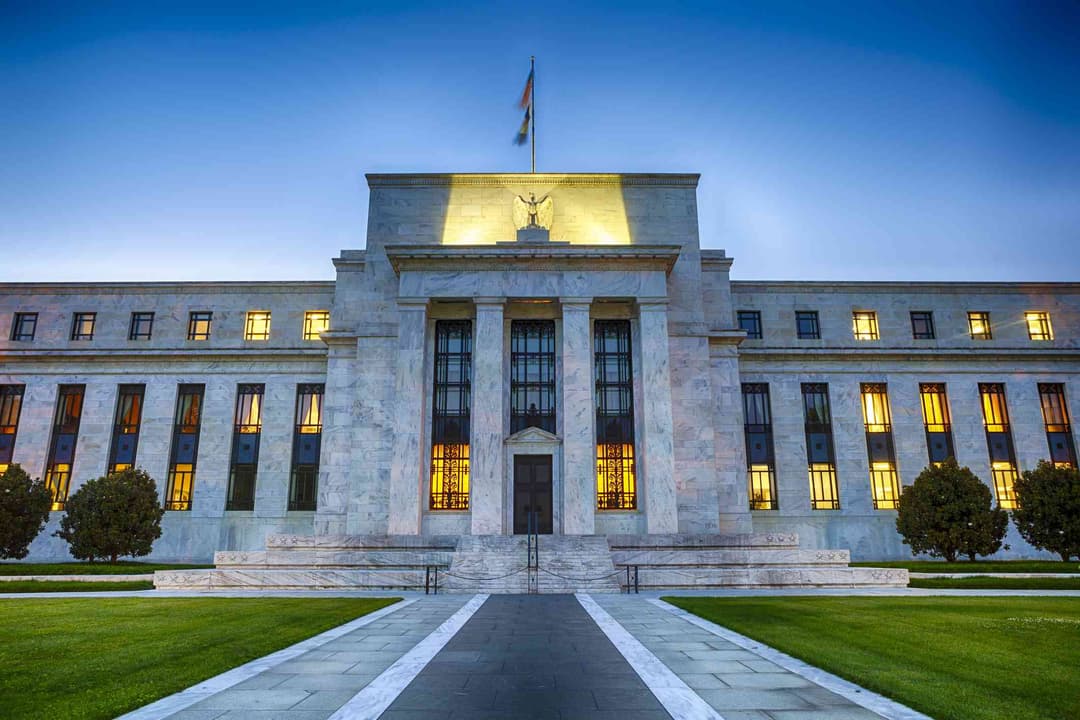
In a pivotal policy meeting, the Federal Reserve has taken a stance that has sent ripples through the financial world. On January 31, 2024, the Fed announced its decision to maintain the benchmark interest rate at the range of 5.25%-5.50%, a status quo maintained since July of the previous year. This decision comes at a crucial juncture, marked by ongoing economic adjustments post-pandemic and evolving global financial landscapes. The Fed's announcement, while keeping rates steady, also hinted at a potential shift in policy in the coming months, a move that could signal the onset of rate cuts should inflation continue to ease.
The Federal Reserve's decision to hold the interest rate steady was influenced by several key economic indicators. In the backdrop of this decision lies an inflation rate that, while showing signs of easing, remains above the Fed's 2% target. Jerome Powell, the Federal Reserve Chair, emphasized the importance of ongoing progress in curbing inflation, stating that rate cuts would not be appropriate until there is greater confidence in inflation moving sustainably towards the target.
The current economic scenario reflects a mixture of strong growth and persistent inflation concerns. The personal consumption expenditures price index, a critical measure for the Fed, stood at 2.6% on an annual basis as of December, underscoring the ongoing battle against elevated inflation levels.
The Federal Reserve's latest communication suggests a pivot in their long-term strategy, moving away from the possibility of further rate hikes to more neutral "adjustments" in interest rates. This change in language signals the Fed's openness to rate reductions, contingent upon continued positive trends in inflation.
Analysts and investors are now recalibrating their expectations, with the likelihood of a rate cut by May being more strongly anticipated, despite the March meeting being seen as too soon for such action. This shift indicates a more data-driven and cautious approach from the Fed, aligning its actions closely with the evolving economic indicators.
The immediate reaction in the financial markets to the Fed's announcement was mixed. U.S. stocks showed a decline, while the dollar strengthened against a basket of currencies, reflecting the recalibration of investor expectations in light of the Fed's cautious stance on rate cuts. This response underscores the delicate balance the Fed maintains in signaling its future policy directions and the sensitivity of the markets to such indications.
The Federal Reserve's decision-making process is deeply embedded in the broader context of both the U.S. and global economy. With the ongoing challenges of post-pandemic recovery, geopolitical tensions, and fluctuating market dynamics, the Fed's policies play a crucial role in steering the economic direction. The current economic scenario, characterized by solid growth and a strong labor market, provides a backdrop for the Fed's cautious yet optimistic outlook.
The Federal Reserve's latest policy meeting marks a significant moment in U.S. monetary policy, balancing the need to control inflation with the positive signs of economic growth. While the immediate future does not see a change in interest rates, the door is open for potential rate cuts later this year, should the economic indicators continue to align with the Fed's objectives. This decision reflects a dynamic and responsive approach to monetary policy, pivotal for the ongoing stability and growth of the U.S. economy.
Continue this reporting
Reporting on the same issue
Related coverage selected from the article's desk, topics and newsroom relationships.
 NewsSep 24, 2026
Taiwan’s AI Boom Is Surging, but Wealth Follows a Different Map
Taiwan’s semiconductor boom is lifting output and incomes at extraordinary sp...
 NewsSep 10, 2026
Busan Records 1.3 Percent Unemployment as Male and Female Employment Diverge
Busan’s 1.3 percent unemployment rate reflects real job growth, but not a bro...
 NewsSep 4, 2026
Korea Moves Deeper Into the Global Market for Long-Term Capital
Japanese yields are rising, Korean bonds are entering the WGBI and American p...
More from the author
More from this byline
Stay with the same line of reporting through more work from this byline.
 NewsOct 9, 2026
Why “Busan Is Good” Falls Short as a City Brand
 NewsSep 18, 2026
The Other AI Race Is for the Freedom to Change Course
Reader Signal
Community readWhat did this report leave you with?
Choose the signal that best reflects your reading. Select it again to remove it.
One response per article
No response selected
A moderated conversation about the reporting.
One-level replies and newsroom moderation keep the conversation anchored to this article.
Discussion Status
Open
Please sign in to join the discussion.
Newsletter
Weekly reporting and context from Busan and Korea.