Bank of Korea Holds Interest Rate at 3.50%, Signals October Cut
Seoul, South Korea - The Bank of Korea (BOK) has once again opted to maintain its key interest rate at 3.50%, a decision that marks the 13th consecutive rate hold since early 2023. This cautious approach comes amidst a backdrop of easing inflation, persistent household debt, and modest economic growth. As the BOK signals a potential rate cut in the near future, possibly as early as October, the implications for South Korea’s economy and its citizens are profound. The BOK's decision to keep the

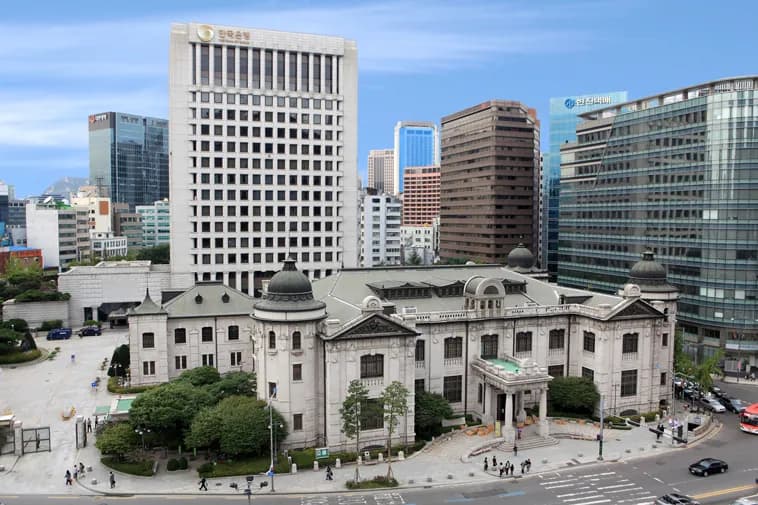
Seoul, South Korea - The Bank of Korea (BOK) has once again opted to maintain its key interest rate at 3.50%, a decision that marks the 13th consecutive rate hold since early 2023. This cautious approach comes amidst a backdrop of easing inflation, persistent household debt, and modest economic growth. As the BOK signals a potential rate cut in the near future, possibly as early as October, the implications for South Korea’s economy and its citizens are profound.
The BOK's decision to keep the interest rate unchanged is part of a broader strategy that began with aggressive rate hikes between April 2022 and January 2023. These hikes were aimed at curbing the highest inflation South Korea had seen in decades. However, since February 2023, the BOK has maintained a steady rate, reflecting a shift towards a more cautious, wait-and-see approach as the economy grapples with ongoing uncertainties.
South Korea’s economic landscape in 2024 has been a mix of challenges and resilience. The economy grew by 1.3% in the first quarter, exceeding expectations, driven by strong exports and increased construction investment. Despite this, inflation has slowed significantly, reaching 2.4% in June 2024, down from the sharp increases of the previous year. The BOK projects inflation to further decline, possibly reaching its target of 2% by the end of the year. However, household debt remains a significant concern, with mortgage loans continuing to rise, which has kept the central bank wary of prematurely easing monetary policy.
In its latest statements, the BOK has hinted at a potential rate cut, possibly in October 2024. This shift is seen as a response to the dual pressures of managing inflation and supporting economic growth, particularly as global economic conditions evolve. The BOK’s language has softened, dropping the phrase “for a sufficient period of time” from its previous statements, signaling a readiness to adjust its policy if conditions allow.
The BOK’s decisions are not made in isolation. There is a complex relationship between the central bank’s policies and the political landscape in South Korea. While the BOK operates independently, its actions are closely watched by the government and the public, especially given the impact of monetary policy on household finances and the broader economy.
Looking ahead, the BOK has adjusted its growth forecast for 2024 slightly downward to 2.4%, while maintaining a cautious optimism about the future. Inflation is expected to continue easing, aligning with the BOK’s targets, and the central bank remains poised to act if the economic situation demands it. Analysts anticipate that if global and domestic conditions remain stable, the BOK may begin cutting rates, providing a much-needed boost to the economy.
As the central bank signals a potential shift in policy later this year, all eyes will be on how these decisions impact South Korea’s economic trajectory and the everyday lives of its citizens.
Continue this reporting
Reporting on the same issue
Related coverage selected from the article's desk, topics and newsroom relationships.
 NewsSep 24, 2026
Taiwan’s AI Boom Is Surging, but Wealth Follows a Different Map
Taiwan’s semiconductor boom is lifting output and incomes at extraordinary sp...
 NewsSep 10, 2026
Busan Records 1.3 Percent Unemployment as Male and Female Employment Diverge
Busan’s 1.3 percent unemployment rate reflects real job growth, but not a bro...
 NewsSep 4, 2026
Korea Moves Deeper Into the Global Market for Long-Term Capital
Japanese yields are rising, Korean bonds are entering the WGBI and American p...
More from the author
More from this byline
Stay with the same line of reporting through more work from this byline.
 NewsOct 9, 2026
Why “Busan Is Good” Falls Short as a City Brand
 NewsSep 18, 2026
The Other AI Race Is for the Freedom to Change Course
Reader Signal
Community readWhat did this report leave you with?
Choose the signal that best reflects your reading. Select it again to remove it.
One response per article
No response selected
A moderated conversation about the reporting.
One-level replies and newsroom moderation keep the conversation anchored to this article.
Discussion Status
Open
Please sign in to join the discussion.
Newsletter
Weekly reporting and context from Busan and Korea.