YK Steel's Relocation: A Catalyst for Economic Renewal in Western Busan
The announcement of YK Steel's relocation from Busan to Dangjin has sparked a wave of concern and speculation. While the immediate loss of approximately 1,000 jobs is significant, a broader perspective reveals an opportunity for revitalizing Western Busan, particularly Saha-gu. This move should be seen not just as a loss, but as a potential catalyst for addressing longstanding economic and social challenges in the region. Saha-gu, the home of YK Steel since 1966, has long been emblematic of Sou

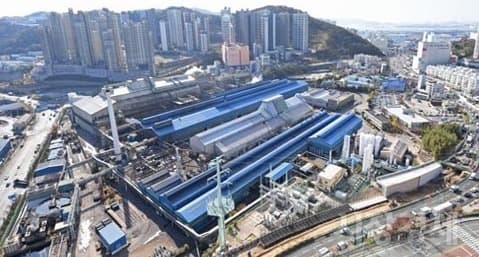
The announcement of YK Steel's relocation from Busan to Dangjin has sparked a wave of concern and speculation. While the immediate loss of approximately 1,000 jobs is significant, a broader perspective reveals an opportunity for revitalizing Western Busan, particularly Saha-gu. This move should be seen not just as a loss, but as a potential catalyst for addressing longstanding economic and social challenges in the region.
Saha-gu, the home of YK Steel since 1966, has long been emblematic of South Korea's industrial boom. However, the area has struggled with socio-economic decline in recent decades. The heavy reliance on manufacturing has left the district ill-equipped to transition to new industries. As global manufacturing trends shifted and local industries failed to modernize, Saha-gu saw a rise in vacant factories and a corresponding decline in economic activity.
This industrial decline has created a difficult living environment for residents. The influx of residential developments around industrial sites, such as the YK Steel plant, has led to numerous complaints about noise, dust, and odors. These conditions have driven many young residents to seek opportunities elsewhere, exacerbating the area's economic challenges.
Media reports have predominantly focused on the job losses resulting from YK Steel's relocation. While the loss of approximately 1,000 jobs is indeed significant, these reports often fail to account for the broader context of Western Busan's economic struggles. The decline of Saha-gu cannot be solely attributed to YK Steel's departure. The region has faced chronic underinvestment and has not kept pace with industrial diversification. Thus, the job losses, though impactful, are a symptom rather than the sole cause of the area's economic woes.
A stark contrast exists between Western and Eastern Busan. Eastern Busan has successfully diversified its economy and developed robust infrastructure, attracting young professionals and fostering economic growth. This region has benefited from investments in technology, tourism, and other modern industries, which have created a dynamic and sustainable economic environment.
In contrast, Western Busan, including Saha-gu, remains heavily reliant on traditional manufacturing industries. This dependence has hindered its ability to attract and retain younger demographics, who are drawn to regions with more diverse and modern economic opportunities. The lack of investment in new industries and infrastructural development has left Western Busan lagging behind, further exacerbating regional disparities.
To address these challenges, a comprehensive and multi-faceted approach is necessary. One of the key strategies involves attracting new industries to Western Busan. Investment in sectors such as technology, green energy, and other emerging industries can create sustainable job opportunities and reduce reliance on traditional manufacturing. Such diversification can help stabilize the local economy and provide long-term growth prospects.
Another important strategy is to attract wealthy foreign retirees and immigrants. Unlike foreign labor, which often involves transient workers, affluent retirees and immigrants can bring substantial investment and demand for local services. This influx can stimulate the local economy, boost real estate markets, and create jobs in various service sectors.
Improving local infrastructure is also crucial. Enhancing transportation, housing, and recreational facilities can make the area more livable and attractive to both residents and potential investors. Quality infrastructure not only improves the standard of living but also makes the region more appealing to businesses looking for new locations.
Effective policy measures are essential to support these strategies. Tax incentives and subsidies for businesses willing to invest in Western Busan can help attract new industries. These financial incentives can make the region more competitive and appealing to investors.
Investing in education and vocational training is another critical policy recommendation. Preparing the local workforce for jobs in emerging industries ensures that residents can take advantage of new employment opportunities. This investment in human capital is vital for long-term economic sustainability.
Balanced development initiatives are necessary to ensure that growth is evenly distributed across the city. Projects that focus on improving both Western and Eastern Busan can help mitigate regional disparities and foster a more equitable economic landscape.
The relocation of YK Steel, while initially appearing as a setback, can serve as a catalyst for addressing deeper economic issues in Western Busan. By focusing on attracting new industries, improving local infrastructure, and implementing balanced development policies, Western Busan can overcome its economic stagnation.
Continue this reporting
Reporting on the same issue
Related coverage selected from the article's desk, topics and newsroom relationships.
 NewsOct 16, 2026
What Is Still Worth Going to See?
Busan’s biennale faces questions of artistic judgment and institutional care....
 NewsOct 14, 2026
What Became of Busan’s University Streets?
From 2015 to 2023, registered businesses grew near Pusan National University...
 NewsOct 12, 2026
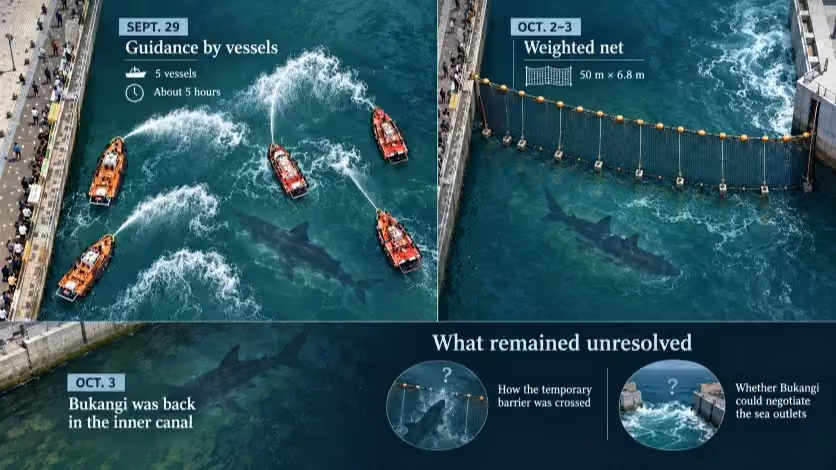
Bukangi, the Shark That Stayed in Busan’s North Port
A rescue net guided Bukangi toward the sea, but the dusky shark returned to B...
More from the author
More from this byline
Stay with the same line of reporting through more work from this byline.
 NewsOct 9, 2026
Why “Busan Is Good” Falls Short as a City Brand
 NewsSep 18, 2026
The Other AI Race Is for the Freedom to Change Course
Reader Signal
Community readWhat did this report leave you with?
Choose the signal that best reflects your reading. Select it again to remove it.
One response per article
No response selected
A moderated conversation about the reporting.
One-level replies and newsroom moderation keep the conversation anchored to this article.
Discussion Status
Open
Please sign in to join the discussion.
Newsletter
Weekly reporting and context from Busan and Korea.