Will Lifting Height Limits Revitalize Sanbokdoro?
Busan, South Korea - In a recent press conference, the Dong-gu Council in Busan called for the removal of height restrictions in the Sanbokdoro area, arguing that outdated regulations are stifling local development. While this move is intended to spur growth and boost property values, critics emphasize that without addressing the region’s inadequate infrastructure and narrow roads, such deregulation may only exacerbate existing problems. The Sanbokdoro is a historically significant area in Busa

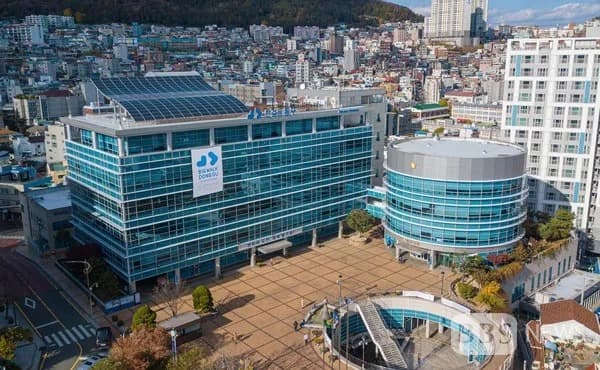
Busan, South Korea - In a recent press conference, the Dong-gu Council in Busan called for the removal of height restrictions in the Sanbokdoro area, arguing that outdated regulations are stifling local development. While this move is intended to spur growth and boost property values, critics emphasize that without addressing the region’s inadequate infrastructure and narrow roads, such deregulation may only exacerbate existing problems.
The Sanbokdoro is a historically significant area in Busan, known for its steep hillside roads that run along the city's mountainous landscape. The name “Sanbokdoro” literally means “mountain ridge road.” These roads were originally formed in the 1960s and 1970s, when the city experienced rapid growth, and many low-income families built homes along the hillside to escape the crowded lower areas.
Sanbokdoro's geography makes it unique, with breathtaking panoramic views of Busan’s urban sprawl and the port below. However, its rugged terrain also brings challenges. The roads are narrow and winding, often difficult for modern vehicles to navigate. The housing along Sanbokdoro is typically older, small-scale homes, many of which were built informally, resulting in crowded living conditions.
Due to the area's challenging infrastructure and difficult accessibility, it has long been considered one of the less developed parts of Busan. Over the years, several urban regeneration efforts, such as the Sanbokdoro Renaissance Project, have aimed to revitalize the area. These initiatives focus on improving public amenities, developing cultural attractions, and enhancing pedestrian pathways. However, despite these efforts, the area remains difficult to access, and the steep roads make large-scale redevelopment expensive and complicated.
For tourists, Sanbokdoro offers a unique experience, combining old-world charm with striking views. Places like Gamcheon Culture Village, located nearby, have become popular cultural destinations, showcasing murals, art installations, and the history of the region. Sanbokdoro’s distinctive charm, however, may not withstand the impact of high-rise buildings unless careful planning is implemented.
Critics of the Dong-gu Council’s push to lift height restrictions argue that simply allowing taller buildings won’t solve the real issues. Without improving the road network and updating the infrastructure to handle increased traffic, any new developments could lead to worsening congestion and a deterioration of living standards in the area. Instead, a more holistic approach that includes both infrastructure improvements and sustainable urban development would be necessary for Sanbokdoro to grow while maintaining its cultural and historical significance.
One of the most significant challenges facing Sanbokdoro is the outdated road system. The narrow and steep streets that characterize the region are not equipped to handle large-scale redevelopment projects. Adding taller buildings without improving access and infrastructure could lead to increased traffic congestion, limited emergency access, and even safety risks.
Urban planning experts also highlight that the area's current housing structures, many of which are outdated and crowded, will not easily accommodate modern construction without displacing residents or demolishing homes. "Lifting height restrictions without upgrading roads and utilities will lead to chaotic development and worsen living conditions," one planner observed.
Sanbokdoro has been the focus of various urban regeneration initiatives, most notably the Sanbokdoro Renaissance Project. This project aimed to improve the living conditions by enhancing pedestrian pathways, installing public amenities, and fostering cultural tourism. While the project successfully beautified certain parts of the area, it did not resolve the fundamental issue of accessibility. The narrow roads and aging housing still limit the feasibility of larger-scale development.
Experts agree that simply lifting height restrictions without addressing the infrastructure deficiencies will not result in meaningful redevelopment. Without modern roads and expanded public services, any high-rise developments will face significant logistical challenges. "The city needs to focus on upgrading its infrastructure first before considering height deregulation," one urban planner suggested.
Phased redevelopment strategies, which prioritize transportation and road improvements, could allow Sanbokdoro to gradually modernize without overwhelming the existing infrastructure.
Critics suggest that a more balanced approach to redevelopment could benefit Sanbokdoro. A phased redevelopment plan, starting with infrastructure improvements such as widening roads, expanding public transport, and upgrading utilities, could set the stage for future development. Additionally, adopting eco-friendly building designs and integrating public spaces could help preserve the unique character of Sanbokdoro while allowing for sustainable growth.
While the Dong-gu Council’s proposal to lift height restrictions in Sanbokdoro is aimed at fostering development, it overlooks the deeper issue of inadequate infrastructure. Without significant improvements to the area’s transportation and public services, lifting height restrictions may lead to poorly planned developments that worsen living conditions. A more comprehensive urban regeneration plan is essential for sustainable growth in the region.
The city of Busan will continue reviewing the proposal, with public consultations scheduled for November. Community engagement is encouraged to ensure that any redevelopment aligns with both the needs of the residents and the practical realities of Sanbokdoro’s infrastructure.
Continue this reporting
Reporting on the same issue
Related coverage selected from the article's desk, topics and newsroom relationships.
 NewsOct 14, 2026
What Became of Busan’s University Streets?
From 2015 to 2023, registered businesses grew near Pusan National University...
 NewsOct 12, 2026
Bukangi, the Shark That Stayed in Busan’s North Port
A rescue net guided Bukangi toward the sea, but the dusky shark returned to B...
 NewsOct 6, 2026
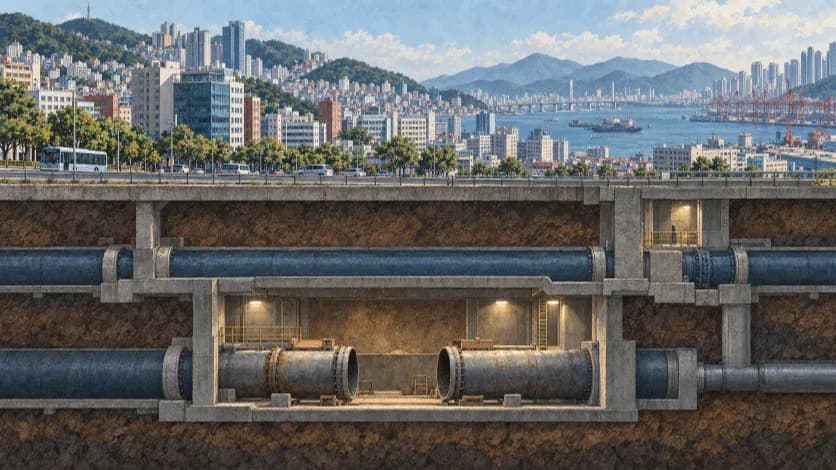
Busan’s Water System Is Entering a Harder Era of Renewal
Busan spent decades building a water system that can absorb major failures. N...
More from the author
More from this byline
Stay with the same line of reporting through more work from this byline.
 NewsOct 9, 2026
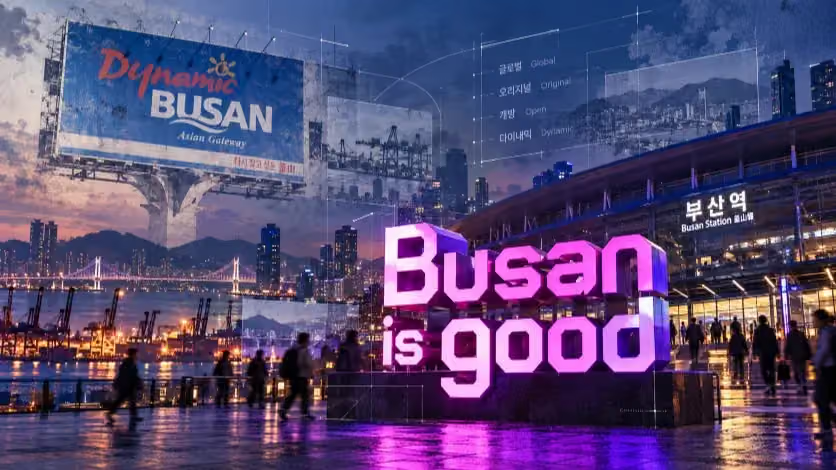
Why “Busan Is Good” Falls Short as a City Brand
 NewsSep 18, 2026
The Other AI Race Is for the Freedom to Change Course
Reader Signal
Community readWhat did this report leave you with?
Choose the signal that best reflects your reading. Select it again to remove it.
One response per article
No response selected
A moderated conversation about the reporting.
One-level replies and newsroom moderation keep the conversation anchored to this article.
Discussion Status
Open
Please sign in to join the discussion.
Newsletter
Weekly reporting and context from Busan and Korea.