What Busan’s 99-Story Project Means for Residents
Busan, South Korea – A towering 99-story apartment complex is set to rise on the shores of Busan’s Gwangan Beach, bringing both excitement and anxiety to the city’s residents. With plans to turn the aging Samik Beach Apartments into a shimmering symbol of modern architecture, opinions are sharply divided. Will this ambitious project serve as a magnet for tourists and a crown jewel in Busan’s skyline? Or is it a costly gamble that could deepen social divides and push long-time residents out of th

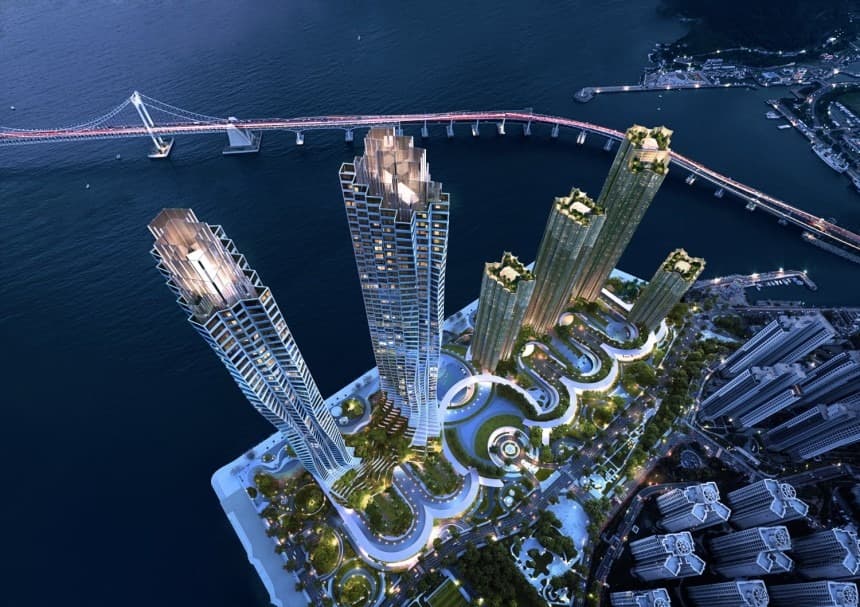
Busan, South Korea – A towering 99-story apartment complex is set to rise on the shores of Busan’s Gwangan Beach, bringing both excitement and anxiety to the city’s residents. With plans to turn the aging Samik Beach Apartments into a shimmering symbol of modern architecture, opinions are sharply divided. Will this ambitious project serve as a magnet for tourists and a crown jewel in Busan’s skyline? Or is it a costly gamble that could deepen social divides and push long-time residents out of their homes?
The redevelopment of Samik Beach, selected as part of Busan’s "Special Architectural Zone Pilot Project," promises to be a game changer. If completed, it will stand as the third-tallest building in Korea, trailing only Seoul’s Lotte World Tower and Busan’s own Haeundae LCT. But behind the glossy renderings and the buzz surrounding the design by acclaimed French architect Dominique Perrault, many locals are left wondering: Who is this project really for?
The Samik Beach Apartments, built in 1979, have long been a fixture of Busan’s coastal skyline. Located just steps from the iconic Gwangandaegyo Bridge, the 12-story complex houses over 3,000 families. Now, plans are in motion to replace it with a sleek, 99-story tower offering more than 3,700 luxury units—a project estimated to cost upwards of 2 trillion won (approximately $1.5 billion).
For city officials, the project is a chance to reimagine Busan as a global hub. The Special Architectural Zone program offers generous incentives, such as increased floor area ratios, to encourage cutting-edge designs. The hope is that the redevelopment will not only transform the skyline but also put Busan on the map as a destination for international visitors.
But not everyone is convinced this vision is practical. "Once you start going above 50 stories, construction costs skyrocket," one local construction expert pointed out. "This isn’t just a mixed-use development; it’s purely residential. The higher you go, the more expensive it gets."
This isn’t just speculation. Hyundai faced a similar dilemma when it scaled back plans for its Global Business Complex in Seoul from 105 stories to 55, citing skyrocketing costs. The question on many minds now is whether Samik Beach will suffer the same fate.
Beyond the towering height and the sleek designs, there’s a more personal cost to consider—one that directly affects the residents of Samik Beach. Under current projections, those living in smaller 16-pyeong units (about 53 square meters) could face reconstruction fees as high as 700 to 800 million won ($500,000 to $600,000) just to secure a larger unit in the new complex.
This issue isn’t new to Busan. With developments like Haeundae’s LCT (101 stories) and Doosan We’ve the Zenith (80 stories) already dominating the city’s skyline, critics argue that these projects primarily benefit the wealthy, while locals struggle to afford the rising costs of living.
For some, the concerns go beyond just financials. One resident of Busan summed up the unease many locals feel: "Busan keeps building these massive towers, but where are the jobs? Young people are leaving the city because there’s no work, and yet we’re focused on bringing in more high-rise apartments that seem designed for people from Seoul or tourists, not us."
There’s also growing frustration over how this project could monopolize the view. The iconic Gwangandaegyo Bridge, one of the city’s most beloved landmarks, will now be framed by a towering residential complex, a sight only a few affluent residents will fully enjoy. "It feels like the skyline is becoming something only a select few can truly appreciate," one local resident remarked. "What about the rest of us?"
There’s no doubt that the Samik Beach redevelopment represents a bold vision for the future of Busan. With world-renowned architect Dominique Perrault leading the design, the project is sure to draw attention both locally and internationally. The question is whether this new landmark will serve as a beacon of progress for all of Busan’s residents, or whether it will deepen existing divides in the city.
As the project moves forward, city officials and developers face a delicate balancing act. Can they create a world-class development that draws tourists and investors, while still addressing the needs of the local community? Or will this ambitious plan merely become another symbol of inequality in a rapidly changing city?
The success of this project won’t just be measured in stories or steel, but in its ability to ensure that the benefits of development are shared by everyone, not just the fortunate few.
Continue this reporting
Reporting on the same issue
Related coverage selected from the article's desk, topics and newsroom relationships.
 NewsOct 16, 2026
What Is Still Worth Going to See?
Busan’s biennale faces questions of artistic judgment and institutional care....
 NewsOct 14, 2026
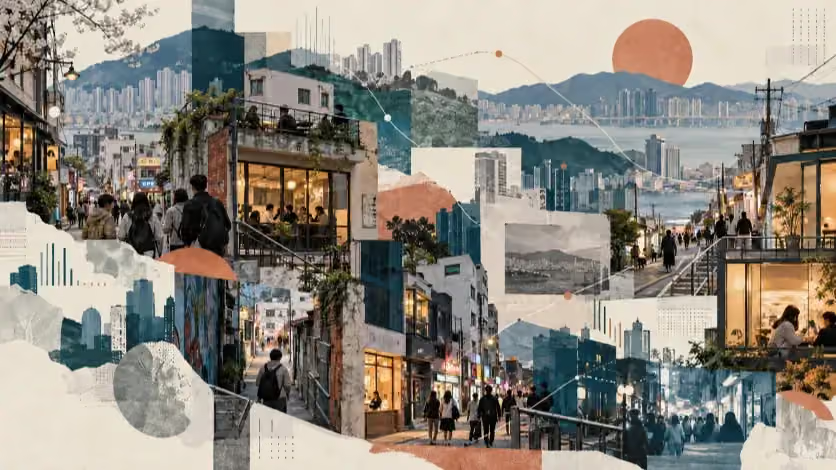
What Became of Busan’s University Streets?
From 2015 to 2023, registered businesses grew near Pusan National University...
 NewsOct 12, 2026
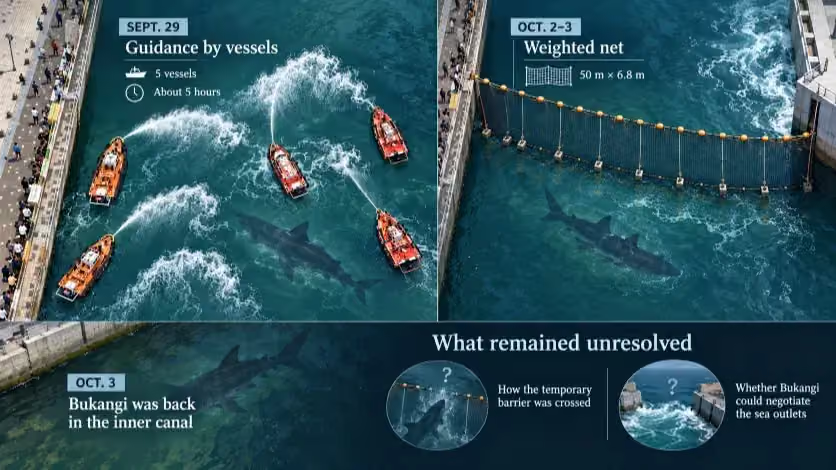
Bukangi, the Shark That Stayed in Busan’s North Port
A rescue net guided Bukangi toward the sea, but the dusky shark returned to B...
More from the author
More from this byline
Stay with the same line of reporting through more work from this byline.
 NewsOct 9, 2026
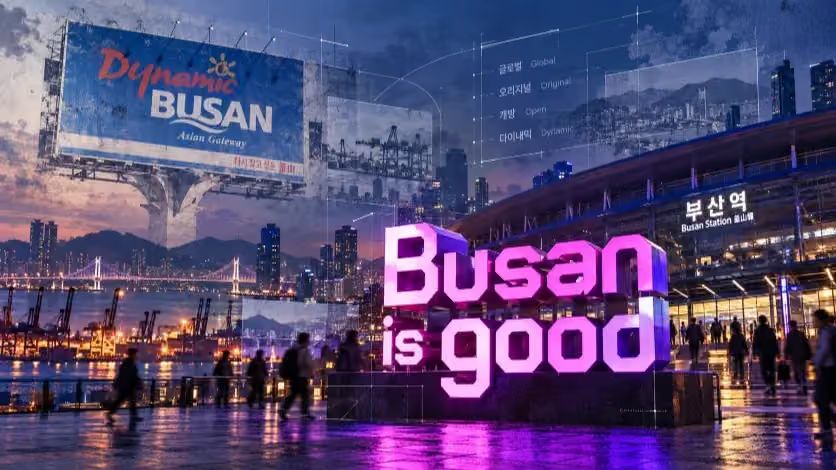
Why “Busan Is Good” Falls Short as a City Brand
 NewsSep 18, 2026
The Other AI Race Is for the Freedom to Change Course
Reader Signal
Community readWhat did this report leave you with?
Choose the signal that best reflects your reading. Select it again to remove it.
One response per article
No response selected
A moderated conversation about the reporting.
One-level replies and newsroom moderation keep the conversation anchored to this article.
Discussion Status
Open
Please sign in to join the discussion.
Newsletter
Weekly reporting and context from Busan and Korea.