South Korea Opens LA Logistics Center to Bolster SME Exports
Busan, South Korea - To enhance the global competitiveness of South Korean small and medium-sized enterprises (SMEs), the Ministry of Oceans and Fisheries and Busan Port Authority have inaugurated a new logistics center near the Los Angeles and Long Beach (LB) ports. The center, a public-private collaboration, will offer Korean SMEs access to reliable logistics services at 10-15% lower rates than standard market prices, helping them gain a stronger foothold in the critical U.S. market. Spanning

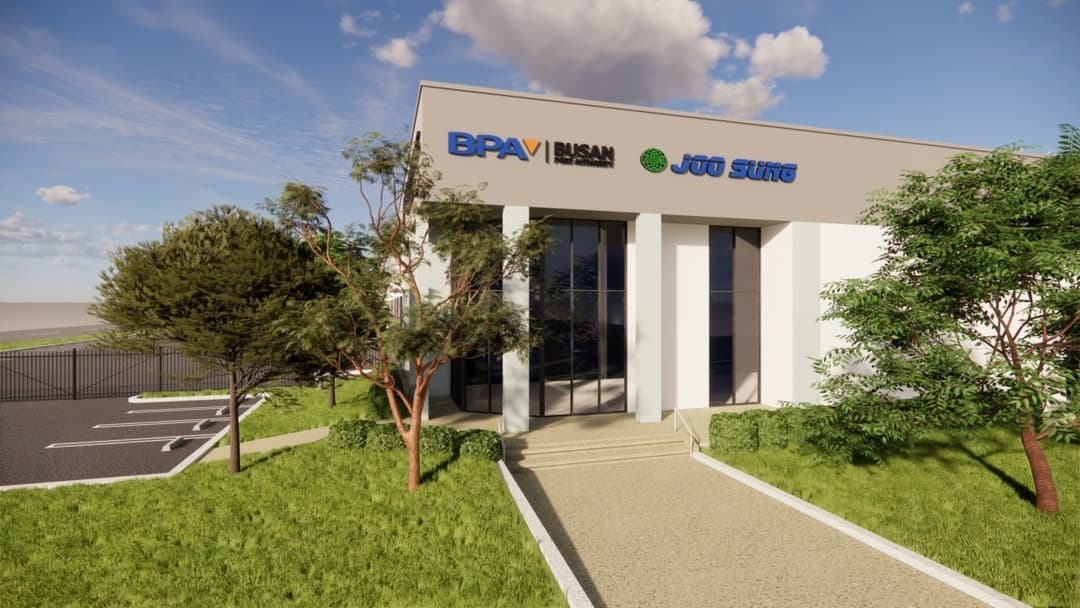
Busan, South Korea - To enhance the global competitiveness of South Korean small and medium-sized enterprises (SMEs), the Ministry of Oceans and Fisheries and Busan Port Authority have inaugurated a new logistics center near the Los Angeles and Long Beach (LB) ports. The center, a public-private collaboration, will offer Korean SMEs access to reliable logistics services at 10-15% lower rates than standard market prices, helping them gain a stronger foothold in the critical U.S. market.
Spanning over 17,000 square meters, the facility will initially handle general cargo, with plans to expand its operations to refrigerated and frozen goods by 2025. The logistics center's proximity to the LA-LB ports — one of the busiest in the world — makes it a pivotal point for Korean exports to the United States, facilitating quicker processing and more cost-effective transportation options.
Busan Port, South Korea’s largest, and the Port of Los Angeles have long been vital trade arteries between Asia and North America. Busan, which processed over 21.9 million TEUs in 2022, is a key global logistics hub connected to more than 500 ports worldwide. Similarly, the Port of Los Angeles remains the largest container port in the Western Hemisphere, with over 8.6 million TEUs processed last year alone.
The new logistics center will further streamline the movement of goods between these two ports, offering reduced transit times. The primary shipping route between Busan and LA takes approximately 11 to 12 days, with major shipping lines like Hanjin and Maersk providing direct services. This enhanced connectivity is crucial for Korean SMEs looking to export electronics, auto parts, and apparel, among other key goods, to the U.S. market.
This opening is part of a broader initiative by the Ministry of Oceans and Fisheries to expand South Korea’s global logistics network. The ministry aims to increase the number of overseas logistics centers from the current five to 11 by 2030, targeting key regions such as the central and eastern U.S. and Eastern Europe. These efforts align with South Korea’s strategy to support its companies in navigating an increasingly complex global supply chain.
“Our SMEs, who face challenges in securing stable logistics solutions, will now be able to benefit from this new center, allowing them to improve their export competitiveness,” said Minister Kang Do-hyung. The expansion plan aims to ensure that Korean businesses have access to efficient and affordable logistics services wherever they operate globally.
With global supply chains in constant flux, South Korea’s investment in logistics infrastructure — both domestically and abroad — positions the country to remain a key player in international trade. By connecting its largest port to vital international markets, Busan is set to play a critical role in facilitating seamless global trade for years to come.
Both ports are committed to improving their environmental footprints. The Port of Los Angeles has implemented various green initiatives, such as using shore power for docked vessels and deploying zero-emission vehicles, as part of its Green Port Policy. Similarly, Busan Port is incorporating advanced technologies to reduce emissions and optimize cargo handling, ensuring that growth in trade does not come at the expense of environmental sustainability.
Continue this reporting
Reporting on the same issue
Related coverage selected from the article's desk, topics and newsroom relationships.
 NewsOct 16, 2026
What Is Still Worth Going to See?
Busan’s biennale faces questions of artistic judgment and institutional care....
 NewsOct 14, 2026
What Became of Busan’s University Streets?
From 2015 to 2023, registered businesses grew near Pusan National University...
 NewsOct 12, 2026
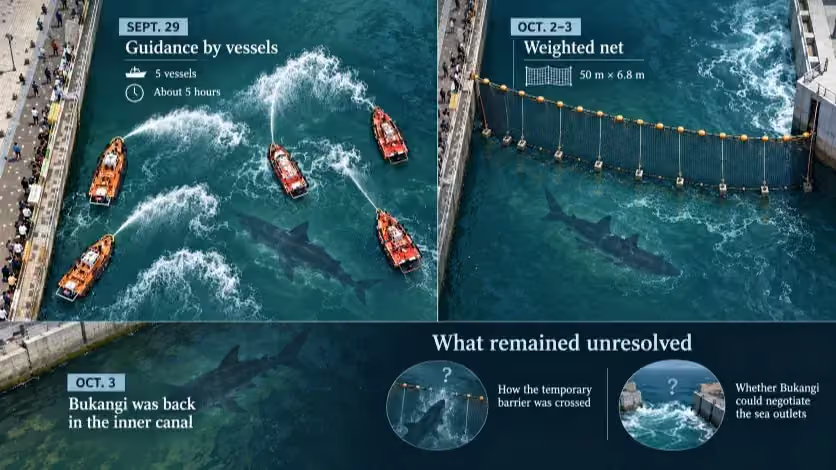
Bukangi, the Shark That Stayed in Busan’s North Port
A rescue net guided Bukangi toward the sea, but the dusky shark returned to B...
More from the author
More from this byline
Stay with the same line of reporting through more work from this byline.
 NewsOct 9, 2026
Why “Busan Is Good” Falls Short as a City Brand
 NewsSep 18, 2026
The Other AI Race Is for the Freedom to Change Course
Reader Signal
Community readWhat did this report leave you with?
Choose the signal that best reflects your reading. Select it again to remove it.
One response per article
No response selected
A moderated conversation about the reporting.
One-level replies and newsroom moderation keep the conversation anchored to this article.
Discussion Status
Open
Please sign in to join the discussion.
Newsletter
Weekly reporting and context from Busan and Korea.