Reimagining Busan's Industrial Complexes
Busan, South Korea's industrial landscape is on the brink of a significant transformation. On April 4, 2024, the city unveiled plans to rejuvenate the Sinpyeong-Jangnim and Jeonggwan General Industrial Complexes, integrating modern, youth-friendly environments with the traditional industrial fabric. This move, powered by a collaboration with the Ministry of Trade, Industry and Energy, aims to infuse these aging industrial zones with new life, making them attractive hubs for young professionals.


Busan, South Korea's industrial landscape is on the brink of a significant transformation. On April 4, 2024, the city unveiled plans to rejuvenate the Sinpyeong-Jangnim and Jeonggwan General Industrial Complexes, integrating modern, youth-friendly environments with the traditional industrial fabric. This move, powered by a collaboration with the Ministry of Trade, Industry and Energy, aims to infuse these aging industrial zones with new life, making them attractive hubs for young professionals.
The initiative sees the allocation of 11.73 billion won to Sinpyeong-Jangnim and 8.87 billion won to Jeonggwan, earmarked for projects that blend industrial efficiency with cultural vibrancy. Key projects include:
- Youth Culture Centers: Envisioned as vibrant spaces offering a mix of leisure and professional amenities, these centers will feature indoor sports areas, counseling centers, communal kitchens, and shared offices. They're designed to cater to the diverse needs of the youth, providing a comprehensive environment for both relaxation and productivity.
- Street Beautification: This aesthetic enhancement project aims to create welcoming, vibrant surroundings within the complexes, contributing to a positive work-life environment. The initiative focuses on improving the visual and functional aspects of the complexes' streets, making them more attractive and user-friendly for everyone.
- Renovation of Aging Factories: By tailoring upgrades to meet the aspirations of a younger workforce, this project focuses on modernizing outdated infrastructure. The goal is to foster a more appealing and functional workplace that resonates with the preferences and requirements of young professionals.
Busan's approach extends beyond mere structural improvements, aiming to foster an ecosystem where young talents are integral to the industrial community. The development of facilities that reflect the interests and needs of younger generations encourages them to form long-term connections with these industrial areas.
Success hinges on a collaborative spirit, with Busan working closely with districts like Saha-gu and Gijang-gun. The expansion of support facilities such as cultural, welfare, and convenience structures aims to enhance living and working conditions for young employees, converting these areas into competitive, appealing, and sustainable industrial complexes.
Mayor Park Heong-joon is committed to this transformative agenda, emphasizing the urgency of adapting to industrial structural changes and rejuvenating stagnant zones. This project is a substantial investment in the city's future, blending industry with culture to create a thriving community for young professionals.
As these plans unfold, the Sinpyeong-Jangnim and Jeonggwan General Industrial Complexes are on track to become exemplars of modern industrial development. This initiative not only aims for economic revitalization but also positions Busan as a forefront leader in sustainable and youth-centric industrial innovation on a global scale.
Continue this reporting
Reporting on the same issue
Related coverage selected from the article's desk, topics and newsroom relationships.
 NewsOct 16, 2026
What Is Still Worth Going to See?
Busan’s biennale faces questions of artistic judgment and institutional care....
 NewsOct 14, 2026
What Became of Busan’s University Streets?
From 2015 to 2023, registered businesses grew near Pusan National University...
 NewsOct 12, 2026
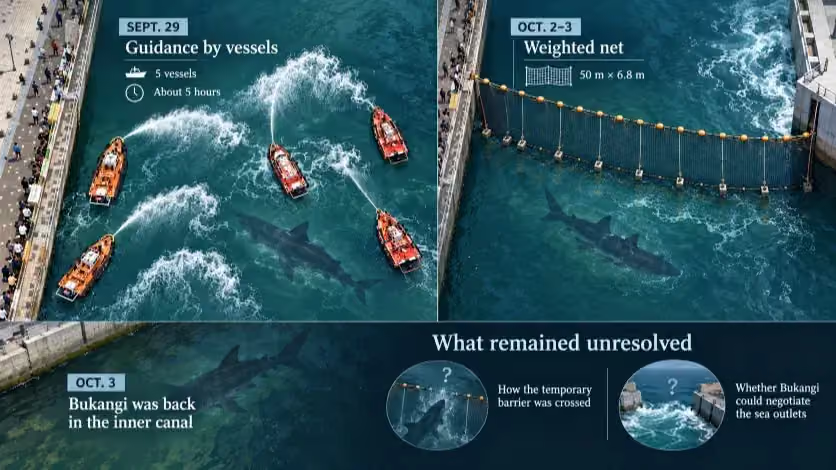
Bukangi, the Shark That Stayed in Busan’s North Port
A rescue net guided Bukangi toward the sea, but the dusky shark returned to B...
More from the author
More from this byline
Stay with the same line of reporting through more work from this byline.
 NewsOct 9, 2026
Why “Busan Is Good” Falls Short as a City Brand
 NewsSep 18, 2026
The Other AI Race Is for the Freedom to Change Course
Reader Signal
Community readWhat did this report leave you with?
Choose the signal that best reflects your reading. Select it again to remove it.
One response per article
No response selected
A moderated conversation about the reporting.
One-level replies and newsroom moderation keep the conversation anchored to this article.
Discussion Status
Open
Please sign in to join the discussion.
Newsletter
Weekly reporting and context from Busan and Korea.