Nongshim Invests $143M in New Busan Ramen Factory
Busan, South Korea – Nongshim, a major player in the global food industry, has recently announced a bold investment of approximately $143 million to build a new export-only ramen factory in Busan. This strategic move is designed to double the company's annual export production to 1 billion units by the first half of 2026, as Nongshim seeks to capitalize on the soaring global demand for Korean cuisine. The decision to situate the new factory within the Noksan National Industrial Complex in Busan

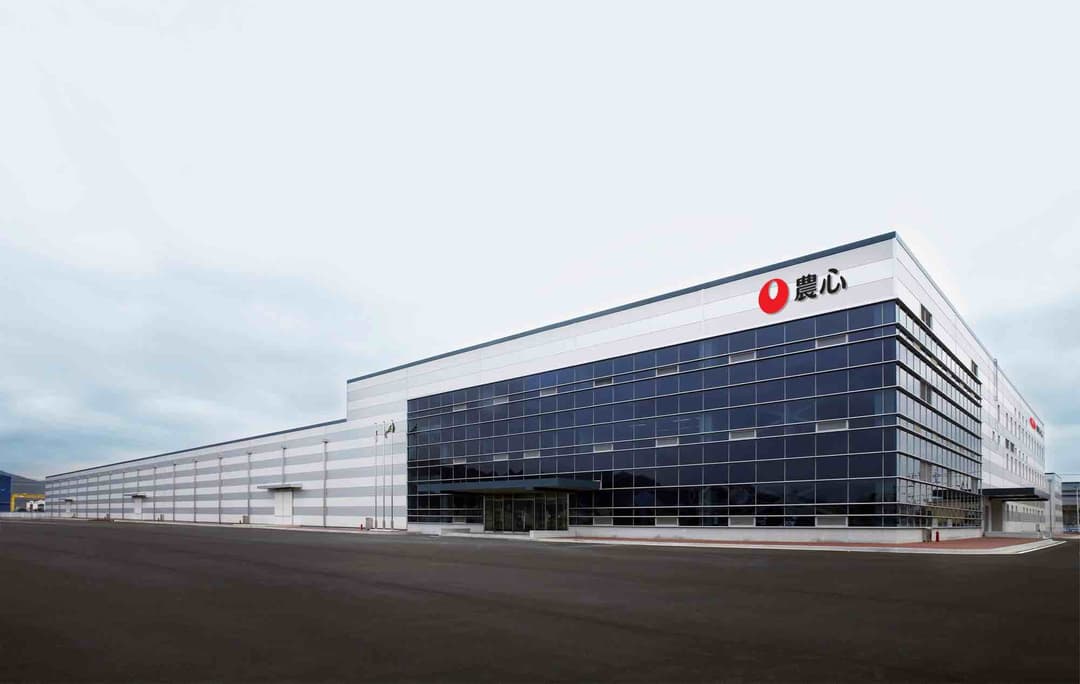
Busan, South Korea – Nongshim, a major player in the global food industry, has recently announced a bold investment of approximately $143 million to build a new export-only ramen factory in Busan. This strategic move is designed to double the company's annual export production to 1 billion units by the first half of 2026, as Nongshim seeks to capitalize on the soaring global demand for Korean cuisine.
The decision to situate the new factory within the Noksan National Industrial Complex in Busan is a calculated one, leveraging the port city’s exceptional logistics infrastructure. Busan Port is among the most efficient in the world, offering Nongshim a significant advantage in terms of reducing export costs and enhancing distribution efficiency. This new facility will work in tandem with Nongshim's existing factories, starting with three high-speed production lines and potentially expanding to eight, depending on market demand.
By 2026, Nongshim's export ramen production is expected to reach 1 billion units annually, effectively doubling the company's current capacity. This expansion will significantly bolster Nongshim's global supply chain, complementing its existing production facilities in the United States and China. The company's total global output could then exceed 2.7 billion units annually, reinforcing its competitive edge in the fiercely contested instant noodle market.
Nongshim's new facility will be a model of modern industrial efficiency and innovation. The factory will incorporate cutting-edge technologies, including AI-driven quality control systems and big data analytics for predictive maintenance. These technologies will not only ensure that the factory operates at peak efficiency but will also maintain the high quality standards that consumers worldwide expect from Nongshim's products.
In addition to technological advancements, the new factory is designed with sustainability in mind. Energy-efficient systems and the pursuit of global certifications such as ISO 9001, FSSC 22000, and RSPO are central to Nongshim's strategy. These certifications will help the company navigate the complex regulatory landscapes of its various international markets while also addressing growing consumer demand for environmentally responsible products. Furthermore, obtaining Halal certification will enable Nongshim to cater to the dietary needs of consumers in predominantly Muslim regions, particularly in the Middle East.
Nongshim's significant investment in expanding its production capabilities comes at a time of unprecedented global demand for Korean food products. The company's strategy is not just about meeting current demand but also about positioning itself for future growth in key markets. Europe, South America, Africa, and Oceania are all regions where Nongshim sees considerable potential for expansion.
To support this growth, Nongshim is considering the establishment of a sales subsidiary in Europe by early 2025. This subsidiary would help the company tailor its marketing and distribution strategies to better meet the needs of European consumers. This move follows the successful expansion of Nongshim’s production capabilities in the United States, where sales have surged in recent years due to the growing popularity of Korean cuisine.
"Nongshim's investment in the Noksan export-only factory reflects our commitment to meeting the rising global demand for K-ramen," said a spokesperson for the company. "We believe that this new facility will be instrumental in driving our global expansion, particularly in high-growth markets, and in reinforcing our position as a leader in the global food industry."
As the global appetite for Korean food continues to grow, Nongshim's latest investment is a clear indication of the company's ambition to lead the global instant noodle market. The successful launch of the Noksan factory will not only boost Nongshim's production capacity but also enhance its ability to serve a diverse and increasingly international customer base.
This strategic expansion is expected to drive Nongshim's growth in established markets while also opening new opportunities in emerging regions. Ultimately, this development will contribute to the company's long-term success and the continued global spread of Korean culinary culture.
Continue this reporting
Reporting on the same issue
Related coverage selected from the article's desk, topics and newsroom relationships.
 NewsOct 16, 2026
What Is Still Worth Going to See?
Busan’s biennale faces questions of artistic judgment and institutional care....
 NewsOct 14, 2026
What Became of Busan’s University Streets?
From 2015 to 2023, registered businesses grew near Pusan National University...
 NewsOct 12, 2026
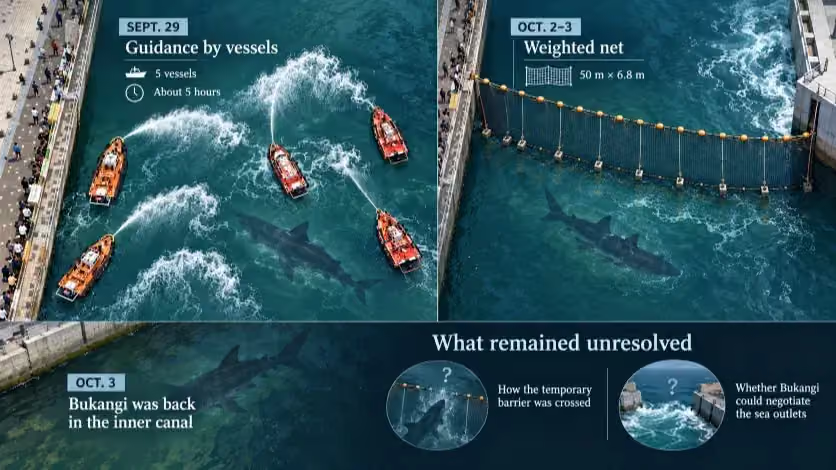
Bukangi, the Shark That Stayed in Busan’s North Port
A rescue net guided Bukangi toward the sea, but the dusky shark returned to B...
More from the author
More from this byline
Stay with the same line of reporting through more work from this byline.
 NewsOct 9, 2026
Why “Busan Is Good” Falls Short as a City Brand
 NewsSep 18, 2026
The Other AI Race Is for the Freedom to Change Course
Reader Signal
Community readWhat did this report leave you with?
Choose the signal that best reflects your reading. Select it again to remove it.
One response per article
No response selected
A moderated conversation about the reporting.
One-level replies and newsroom moderation keep the conversation anchored to this article.
Discussion Status
Open
Please sign in to join the discussion.
Newsletter
Weekly reporting and context from Busan and Korea.