Microsoft Opens Second AI Data Center in Busan
Busan, South Korea — Microsoft and the city of Busan celebrated the official opening of the tech giant’s second data center in Busan’s International Industrial Logistics City. This marks another significant milestone in Microsoft’s expansion of its cloud and AI capabilities across Asia, further establishing Busan as a central digital hub in the region. The opening ceremony took place on September 23, 2024, drawing over 100 prominent figures, including Busan Mayor Park Heong-joon, Microsoft’s AP

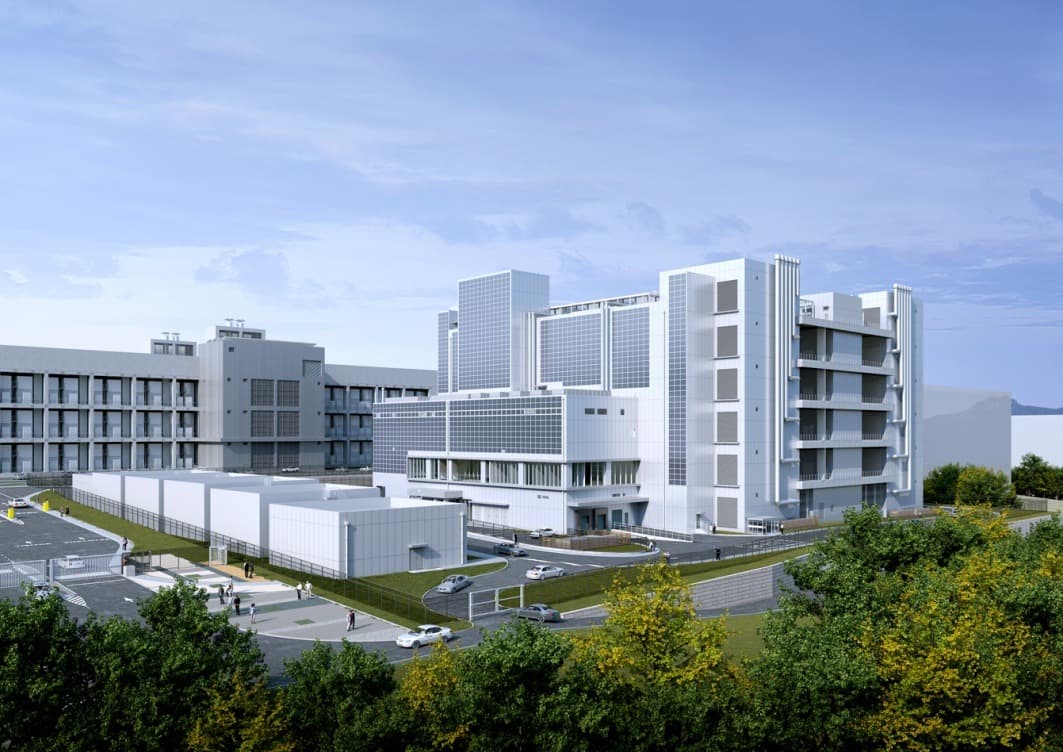
Busan, South Korea — Microsoft and the city of Busan celebrated the official opening of the tech giant’s second data center in Busan’s International Industrial Logistics City. This marks another significant milestone in Microsoft’s expansion of its cloud and AI capabilities across Asia, further establishing Busan as a central digital hub in the region.
The opening ceremony took place on September 23, 2024, drawing over 100 prominent figures, including Busan Mayor Park Heong-joon, Microsoft’s APAC Regional Leader Alvin Heng, and several key government officials from the National Assembly and the Ministry of Trade, Industry, and Energy. The event celebrated the completion of the new facility, which will play a pivotal role in advancing cloud infrastructure and AI technology across Asia(
Microsoft's journey in Busan began with the completion of its first data center in 2020, strategically placed in the same industrial zone. This new, larger second data center is primarily designed to support AI-powered cloud services, reinforcing Busan’s growing importance in Microsoft’s global cloud infrastructure. With this expansion, Microsoft aims to meet the rising demand for advanced cloud services across the Asia-Pacific region.
Busan was chosen for this project due to its robust infrastructure, stable power supply, and favorable climate. The city’s strategic location, with proximity to major markets like Japan, China, and Southeast Asia, has made it a natural fit for Microsoft’s regional cloud services hub. Local officials collaborated with key stakeholders to ensure stable resources for operating such a large-scale facility.
Microsoft’s investment goes beyond infrastructure. Through its Datacenter Community Pledge, the company is committed to creating local jobs, providing digital skills training, and supporting IT education through programs like internships and academies. Microsoft also remains focused on sustainability, pledging to operate all of its data centers, including the new Busan facility, using 100% renewable energy by 2025 as part of its global environmental goals.
During the ceremony, Alvin Heng, Microsoft’s APAC Regional Leader, highlighted the significance of the project: "This data center marks an important milestone in our partnership with Busan. We are committed to promoting sustainability and fostering innovation in this region."
Busan Mayor Park Heong-joon expressed his enthusiasm, stating, “Microsoft’s investment aligns with our vision of making Busan a global hub for technology and innovation. We will continue to support initiatives that bring significant economic and technological benefits to the city."
Microsoft is not stopping with the second data center. Plans are already in motion to build a third AI-focused cloud data center in Busan. This continued investment is expected to further enhance Busan's role as a key player in the global cloud and AI sectors, contributing to economic growth and job creation in the region.
The inauguration of Microsoft’s second data center in Busan is a major step forward in the company’s global expansion efforts, particularly in Asia. By strengthening its AI and cloud infrastructure, Microsoft is positioning itself to meet the growing demands of the digital economy, while Busan solidifies its reputation as a rising tech hub with a bright future in the digital transformation landscape.
Continue this reporting
Reporting on the same issue
Related coverage selected from the article's desk, topics and newsroom relationships.
 NewsOct 16, 2026
What Is Still Worth Going to See?
Busan’s biennale faces questions of artistic judgment and institutional care....
 NewsOct 14, 2026
What Became of Busan’s University Streets?
From 2015 to 2023, registered businesses grew near Pusan National University...
 NewsOct 12, 2026
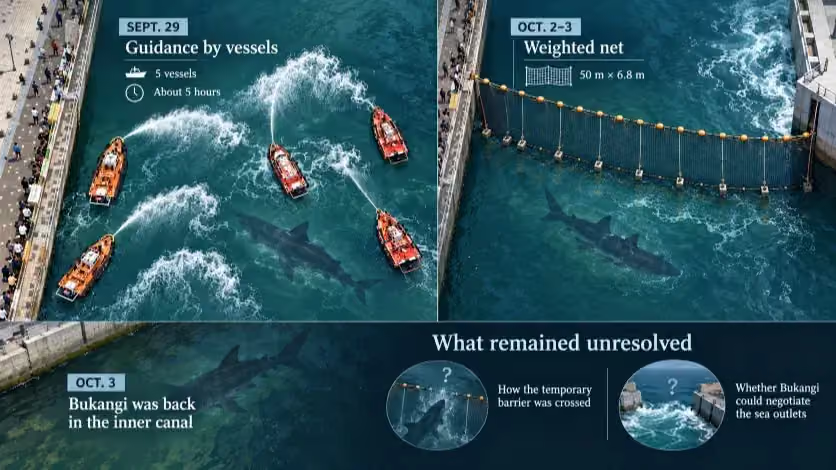
Bukangi, the Shark That Stayed in Busan’s North Port
A rescue net guided Bukangi toward the sea, but the dusky shark returned to B...
More from the author
More from this byline
Stay with the same line of reporting through more work from this byline.
 NewsOct 9, 2026
Why “Busan Is Good” Falls Short as a City Brand
 NewsSep 18, 2026
The Other AI Race Is for the Freedom to Change Course
Reader Signal
Community readWhat did this report leave you with?
Choose the signal that best reflects your reading. Select it again to remove it.
One response per article
No response selected
A moderated conversation about the reporting.
One-level replies and newsroom moderation keep the conversation anchored to this article.
Discussion Status
Open
Please sign in to join the discussion.
Newsletter
Weekly reporting and context from Busan and Korea.