LEENO Industrial Begins Construction of Semiconductor Facility in Busan
Busan, South Korea - LEENO Industrial Inc., a manufacturer of semiconductor testing components, has begun construction on a new production facility in Busan’s Eco Delta City. The groundbreaking ceremony, held on January 9, marked an important step forward for both the company and the city as Busan seeks to strengthen its presence in South Korea’s growing semiconductor industry. This development, backed by an investment of 2,000 billion KRW, is anticipated to create around 200 jobs, contributing

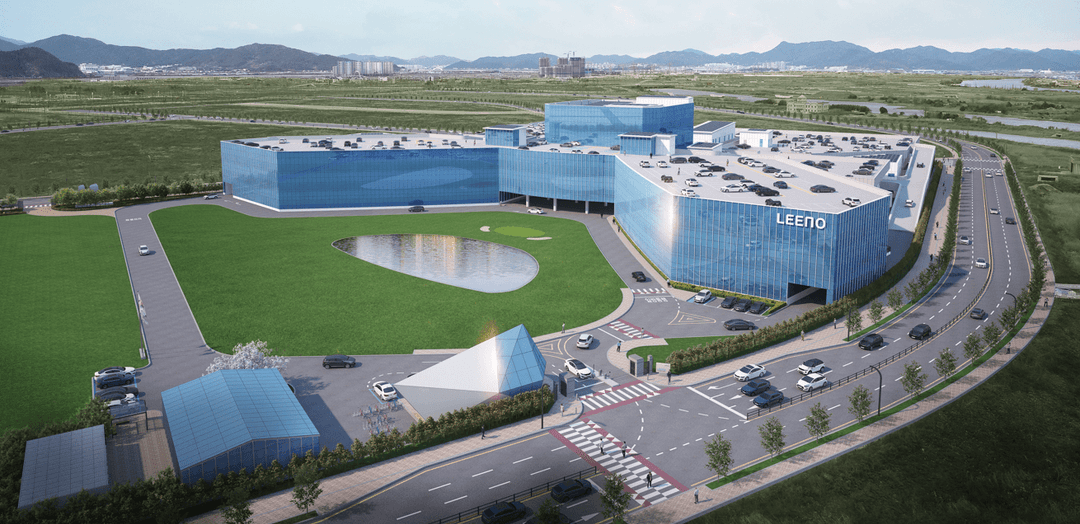
Busan, South Korea - LEENO Industrial Inc., a manufacturer of semiconductor testing components, has begun construction on a new production facility in Busan’s Eco Delta City. The groundbreaking ceremony, held on January 9, marked an important step forward for both the company and the city as Busan seeks to strengthen its presence in South Korea’s growing semiconductor industry.
This development, backed by an investment of 2,000 billion KRW, is anticipated to create around 200 jobs, contributing to the local economy and enhancing the region’s technological profile. For LEENO Industrial, the new facility represents a strategic expansion designed to meet the increasing global demand for semiconductors, fueled by advancements in artificial intelligence, data processing, and other technology sectors.
Founded in 1978, LEENO Industrial has established itself as a reliable provider of semiconductor testing components such as probe pins and IC test sockets. Known for their precision and performance, these components, often referred to as “LEENO pins,” play a critical role in ensuring the reliability of advanced electronics. With the new facility, the company aims to consolidate operations, improve efficiency, and enhance its capacity to serve both domestic and international markets.
The ceremony, held in Busan’s Gangseo-gu district, brought together representatives from LEENO Industrial, local government officials, and industry leaders. Speeches delivered at the event emphasized the partnership between the company and the city, as well as the broader economic and technological benefits the project is expected to deliver. LEENO’s CEO expressed optimism about the investment, stating, “This facility underscores our commitment to innovation and growth, and we are proud to continue that journey here in Busan.”
The facility, expected to become operational in 2026, will cover more than 72,500 square meters and feature advanced manufacturing technologies. This project not only highlights Busan’s ambition to attract high-tech industries but also positions the city to play a larger role in the semiconductor sector, a cornerstone of South Korea’s economy.
Support from the Busan city government was instrumental in facilitating the project. Officials helped address challenges such as finding suitable land within Eco Delta City and navigating regulatory requirements. Adjustments to district heating regulations, which posed difficulties for semiconductor manufacturing processes, were a key factor in ensuring the project moved forward smoothly.
The new facility is also expected to create opportunities for collaboration with local academic institutions and research centers, helping to develop a skilled workforce in semiconductor technology. This aligns with the broader vision of both LEENO Industrial and Busan to foster innovation and sustainable economic growth.
As construction begins, both the company and the city look ahead to the promise of this investment. For LEENO Industrial, the facility represents an opportunity to further establish itself in a competitive market. For Busan, it is a step toward becoming a hub for high-tech industries, bringing with it the potential for long-term economic and technological advancements.
Continue this reporting
Reporting on the same issue
Related coverage selected from the article's desk, topics and newsroom relationships.
 NewsOct 16, 2026
What Is Still Worth Going to See?
Busan’s biennale faces questions of artistic judgment and institutional care....
 NewsOct 14, 2026
What Became of Busan’s University Streets?
From 2015 to 2023, registered businesses grew near Pusan National University...
 NewsOct 12, 2026
Bukangi, the Shark That Stayed in Busan’s North Port
A rescue net guided Bukangi toward the sea, but the dusky shark returned to B...
More from the author
More from this byline
Stay with the same line of reporting through more work from this byline.
 NewsOct 9, 2026
Why “Busan Is Good” Falls Short as a City Brand
 NewsSep 18, 2026
The Other AI Race Is for the Freedom to Change Course
Reader Signal
Community readWhat did this report leave you with?
Choose the signal that best reflects your reading. Select it again to remove it.
One response per article
No response selected
A moderated conversation about the reporting.
One-level replies and newsroom moderation keep the conversation anchored to this article.
Discussion Status
Open
Please sign in to join the discussion.
Newsletter
Weekly reporting and context from Busan and Korea.