K-POP Takes Over Busan Harbor: What to Expect at the 2025 Port Festival
From headline concerts to boat tours and cultural exhibitions, the Busan Port Festival 2025 is set to deliver two days of Hallyu-powered events as part of Korea’s nationwide My K-FESTA rollout.

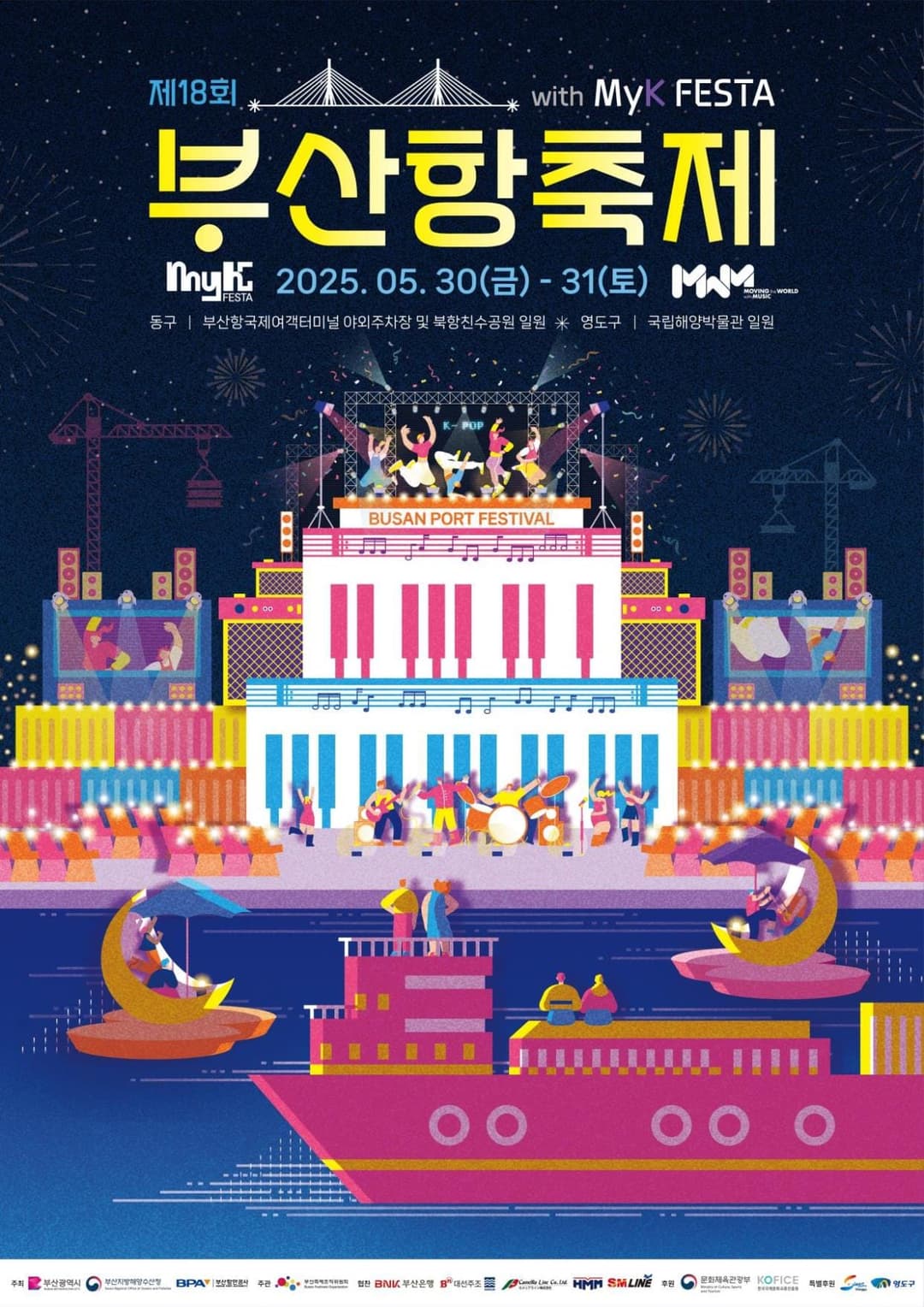
Busan, South Korea — Not all stages are built in stadiums. Some rise beside shipping cranes, stretch along seawalls, and hum with the movement of ferries and street vendors. That’s what’s happening in Busan, where the 18th Busan Port Festival returns May 30–31 — louder, broader, and notably more ambitious.
Once a celebration mostly anchored in maritime tradition, the festival is now looking outward. With the backing of South Korea’s Ministry of Culture, Sports and Tourism — and its newly launched My K-FESTA initiative — Busan’s waterfront is preparing for a kind of cultural high tide, blending K-POP spectacle, industry dialogue, and hands-on experiences for visitors of every kind.
The concert lineup is unapologetically bold. SUPER JUNIOR-D&E, CNBLUE, N.Flying, and ITZY headline the open-air show at the Busan Port International Passenger Terminal, alongside rising acts like KyoungSeo and Dori. But what sets this show apart isn’t just who’s performing — it’s where.
With ferries docked nearby and the smell of street food drifting in from local stalls, the setting turns the performance into something more intimate — less polished, perhaps, but more alive.
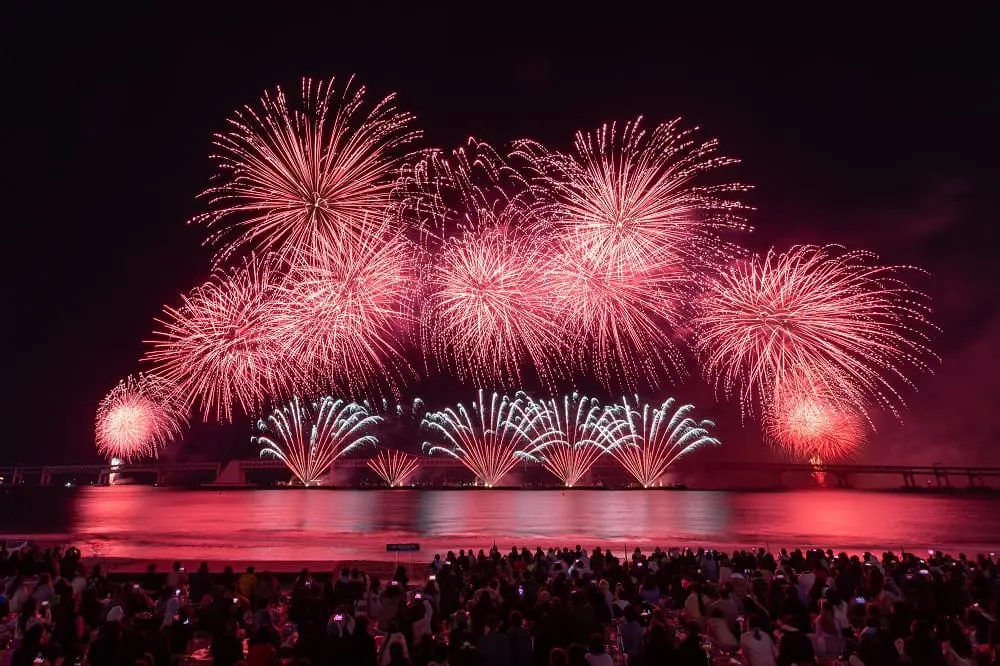
And when the fireworks launch over the harbor to close out the night, they don’t just signal the end of a show. They mark a shift: Busan is claiming space on the national cultural map — on its own terms.
The next day, the pace changes. In a downtown hotel ballroom, a group of tech developers, producers, and music executives gather to discuss the evolving relationship between AI and the music industry. The forum is part of the city’s effort to connect pop culture with policy — not in theory, but in practice.
Meanwhile, back at the harbor, kids queue up to build model boats. Dancers from Southeast Asia rehearse K-POP covers near the water. Families settle onto steps at the Global Port Park, snacking on grilled squid and waving to strangers in matching fan shirts.
There are no velvet ropes or backstage passes here. The festival favors proximity over polish. You’re not watching from a distance — you’re in it.
Busan isn’t trying to replicate Seoul’s cultural machine. It doesn’t have to. Instead, it’s working on something slower, steadier: building a cultural experience shaped by setting, where maritime identity, fandom culture, and international curiosity can intersect without canceling each other out.
The fact that this year’s festival is part of the national My K-FESTA rollout isn’t just a bureaucratic detail — it’s a signal. Korean culture isn’t staying centralized. It’s starting to breathe through more cities, more stories, and more kinds of experiences.
You see it in the way visitors navigate between the concert grounds and the Maritime Museum, between startup booths and street performers. This isn’t just entertainment — it’s infrastructure for attention, built around people rather than product.
There’s a tendency with festivals like this to lean on hyperbole — to call every lineup “unmissable,” every stage “epic.” But Busan’s offering something more grounded. It’s a festival that doesn’t scream for relevance; it earns it through rhythm, detail, and access.
No, this isn't Coachella on the sea. It’s not trying to be. But if you're looking for a weekend where you might stumble into a fan meetup, a policy roundtable, and a fireworks show — all within a few blocks — this is it.
What happens here won’t go viral in quite the same way. It might not trend globally on TikTok. But for those who walk the port, try the fishcakes, cheer under the lights, and stay for the second day — it will leave something behind: not just memories, but a map for what a new kind of cultural gathering can feel like.
Continue this reporting
Reporting on the same issue
Related coverage selected from the article's desk, topics and newsroom relationships.
 NewsSep 20, 2026
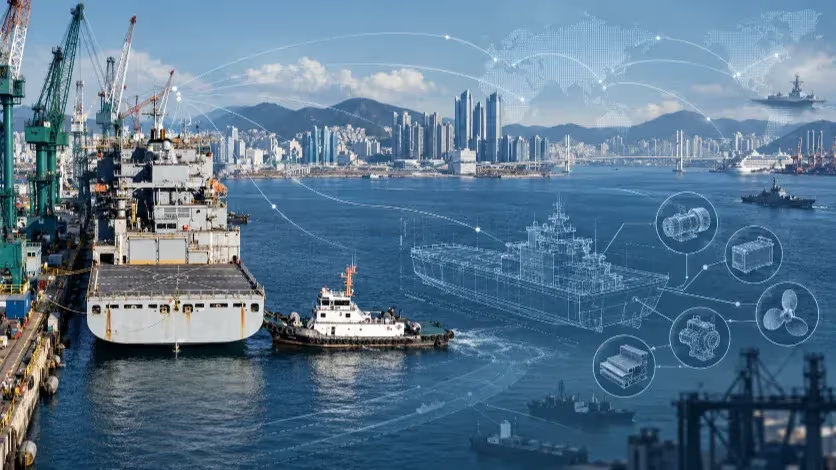
What It Takes for U.S. Navy Repair Work to Become a Busan Industry
HJ Shipbuilding has brought U.S. Navy maintenance work to Yeongdo. Whether it...
 NewsSep 17, 2026
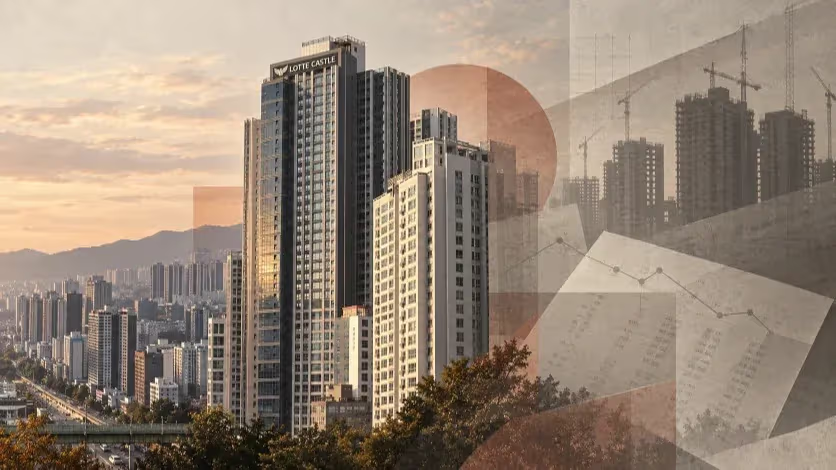
Busan’s Finished Homes, Unfinished Projects
Busan’s unsold homes sit in one monthly total, but they belong to very differ...
 NewsSep 16, 2026
Busan’s Young-Adult Migration Turns Sharply at 25–29
Busan can still draw young adults into the city, but keeping them becomes far...
More from the author
More from this byline
Stay with the same line of reporting through more work from this byline.
 NewsApr 23, 2026
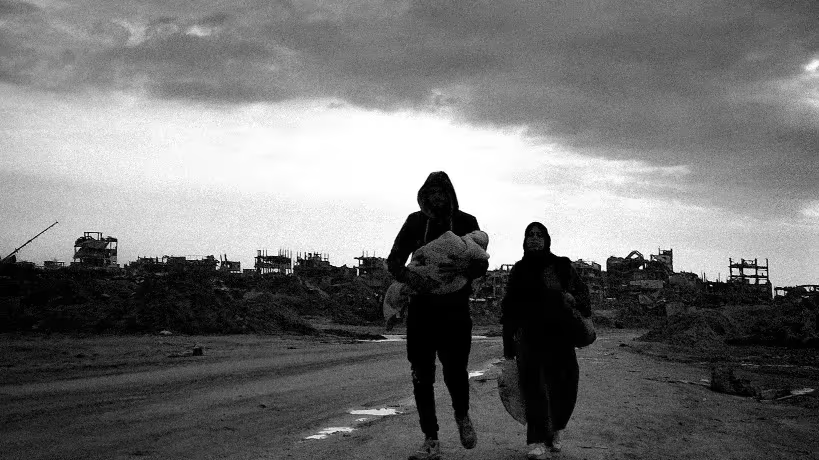
Gaza photo exhibition opens at Busan’s Arise Art Space
 NewsNov 10, 2025
Busan Fireworks Festival Marks 20 Years With Expanded Show
Editorial Record
Corrections, sourcing notes and newsroom disclosures remain part of the published record. View Newsroom Notes →
Reader Signal
Community readWhat did this report leave you with?
Choose the signal that best reflects your reading. Select it again to remove it.
One response per article
No response selected
A moderated conversation about the reporting.
One-level replies and newsroom moderation keep the conversation anchored to this article.
Discussion Status
Open
Please sign in to join the discussion.
Newsletter
Weekly reporting and context from Busan and Korea.