Global Leaders Convene in Busan to Forge Landmark Treaty on Plastic Pollution
Busan, South Korea – In a pivotal move to combat the escalating crisis of plastic pollution, representatives from over 170 nations are gathering in Busan for the fifth session of the Intergovernmental Negotiating Committee (INC-5). This meeting aims to finalize a legally binding international treaty addressing plastic pollution, with a particular focus on marine environments. Since the mid-20th century, global plastic production has surged dramatically. Annual production skyrocketed from 2 mill

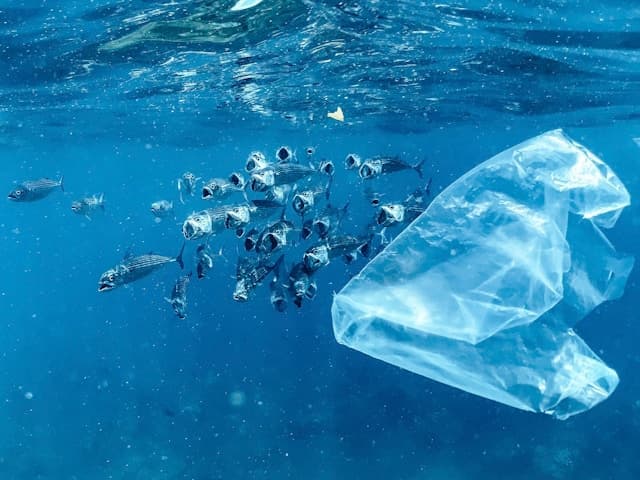
Busan, South Korea – In a pivotal move to combat the escalating crisis of plastic pollution, representatives from over 170 nations are gathering in Busan for the fifth session of the Intergovernmental Negotiating Committee (INC-5). This meeting aims to finalize a legally binding international treaty addressing plastic pollution, with a particular focus on marine environments.
Since the mid-20th century, global plastic production has surged dramatically. Annual production skyrocketed from 2 million metric tons in 1950 to 460 million metric tons by 2019, according to a 2022 report by the Organisation for Economic Co-operation and Development (OECD). This surge has led to a corresponding increase in plastic waste, which reached 353 million metric tons in 2019. Alarmingly, only 9% of this waste was recycled, underscoring the inefficacy of current waste management systems.
Single-use plastics, which constitute approximately 60% of total production, are major contributors to environmental degradation. Marine ecosystems are particularly vulnerable, with plastic bottles accounting for an average of 12% of pollution and food containers contributing 9%, according to a World Wide Fund for Nature (WWF) report. If current trends persist, plastic production could double to 764 million metric tons by 2040, with the volume entering oceans tripling.
The environmental ramifications extend to climate change. Greenhouse gas emissions from plastic production and disposal were 1.9 billion metric tons in 2019 and are expected to rise to 3.1 billion metric tons by 2040. By 2050, plastics could consume up to 30% of the global carbon budget aimed at limiting global warming to 1.5°C above pre-industrial levels, according to a study published in Science Advances.
The international community has been actively seeking solutions. UNEP has spearheaded efforts to establish a legally binding treaty, building on precedents like the Basel Convention, which governs hazardous waste movement. Previous INC meetings (INC-1 to INC-4) have laid the groundwork for addressing key issues, including reducing single-use plastics and improving waste management.
Countries such as Germany and Rwanda have emerged as leaders in combating plastic waste. Germany boasts a recycling rate exceeding 60%, driven by robust infrastructure and policies like the Green Dot system. Meanwhile, Rwanda's ban on plastic bags has positioned the nation as a model for legislative action in Africa.
Recent advancements in technology are reshaping the narrative around recycling. A study published in Nature Sustainability in 2021 highlighted enzyme-based recycling methods capable of breaking down PET plastics into their original monomers with a 90% recovery rate. These methods hold promise for achieving a circular economy, although high costs and scalability challenges remain.
Alternatives to traditional plastics are also gaining traction. Biodegradable materials derived from algae, cornstarch, and agricultural waste are being developed to replace single-use plastics. Startups and corporations are investing in these materials, with companies like Notpla pioneering seaweed-based packaging solutions.
The push for change is backed by growing public demand. A 2024 WWF survey spanning 32 countries revealed that 90% of respondents support banning harmful chemicals in plastics, while 87% favor prohibiting non-recyclable plastics. These figures underscore widespread awareness of the issue and a collective call for action.
Furthermore, addressing plastic pollution has significant social justice implications. Coastal and low-income communities often bear the brunt of pollution, facing economic losses and health risks from microplastics and chemical exposure. A study in Environmental Health Perspectives emphasized the disproportionate impact of plastic waste on marginalized populations, calling for equitable policy solutions.
The INC-5 meeting marks a critical juncture in the global fight against plastic pollution, bringing together nations to forge a unified and decisive response to this pressing issue. South Korea, as the host nation, exemplifies leadership in environmental sustainability through its proactive measures, such as the prohibition of lightweight plastic bags and the promotion of reusable alternatives, showcasing a commitment to reducing plastic waste.
The meeting is set to address a comprehensive agenda aimed at mitigating the plastic crisis. Key goals include a targeted reduction in new plastic production by 30% by 2040, alongside a dramatic 90% decrease in unmanaged plastic waste. Central to the discussions is the establishment of an international framework to standardize product design and improve waste management systems, ensuring a more sustainable approach to the lifecycle of plastics.
Bringing together a diverse group of participants—ranging from government representatives and academics to private sector leaders—the meeting provides a collaborative platform to tackle challenges, share innovations, and develop actionable solutions that can drive meaningful change on a global scale.
As the world stands at a crossroads, the outcomes of the INC-5 meeting could set the trajectory for decades to come. Experts warn that failure to act decisively could exacerbate environmental and climate crises. However, the growing momentum behind innovative solutions and public support offers hope.
The urgency of addressing plastic pollution cannot be overstated. With the INC-5 meeting serving as a crucial juncture, the world has an opportunity to adopt transformative measures that will safeguard the planet for future generations. Governments, industries, and individuals must rise to the challenge, embracing a vision of sustainability that leaves no one behind.
Continue this reporting
Reporting on the same issue
Related coverage selected from the article's desk, topics and newsroom relationships.
 NewsOct 16, 2026
What Is Still Worth Going to See?
Busan’s biennale faces questions of artistic judgment and institutional care....
 NewsOct 14, 2026
What Became of Busan’s University Streets?
From 2015 to 2023, registered businesses grew near Pusan National University...
 NewsOct 12, 2026
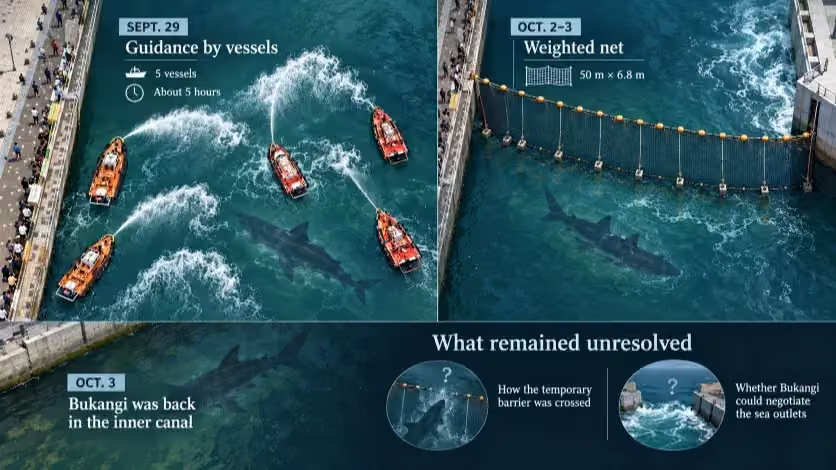
Bukangi, the Shark That Stayed in Busan’s North Port
A rescue net guided Bukangi toward the sea, but the dusky shark returned to B...
More from the author
More from this byline
Stay with the same line of reporting through more work from this byline.
 NewsOct 9, 2026
Why “Busan Is Good” Falls Short as a City Brand
 NewsSep 18, 2026
The Other AI Race Is for the Freedom to Change Course
Reader Signal
Community readWhat did this report leave you with?
Choose the signal that best reflects your reading. Select it again to remove it.
One response per article
No response selected
A moderated conversation about the reporting.
One-level replies and newsroom moderation keep the conversation anchored to this article.
Discussion Status
Open
Please sign in to join the discussion.
Newsletter
Weekly reporting and context from Busan and Korea.