Foreign Visitors Voice Frustration with Busan’s Old Districts
Busan, South Korea – Busan’s historic downtown, once the vibrant heart of South Korea’s second-largest city, now faces significant challenges in retaining its appeal to both locals and tourists. Recently, a foreign visitor shared a critical review that captured a common sentiment: “We were in Busan today—no vibe, alienated elderly, unsafe walkways—and the blah-est place we have been. No social engagement! We went back to our friendly ship! Very sad urban decline.” This feedback sheds light on d

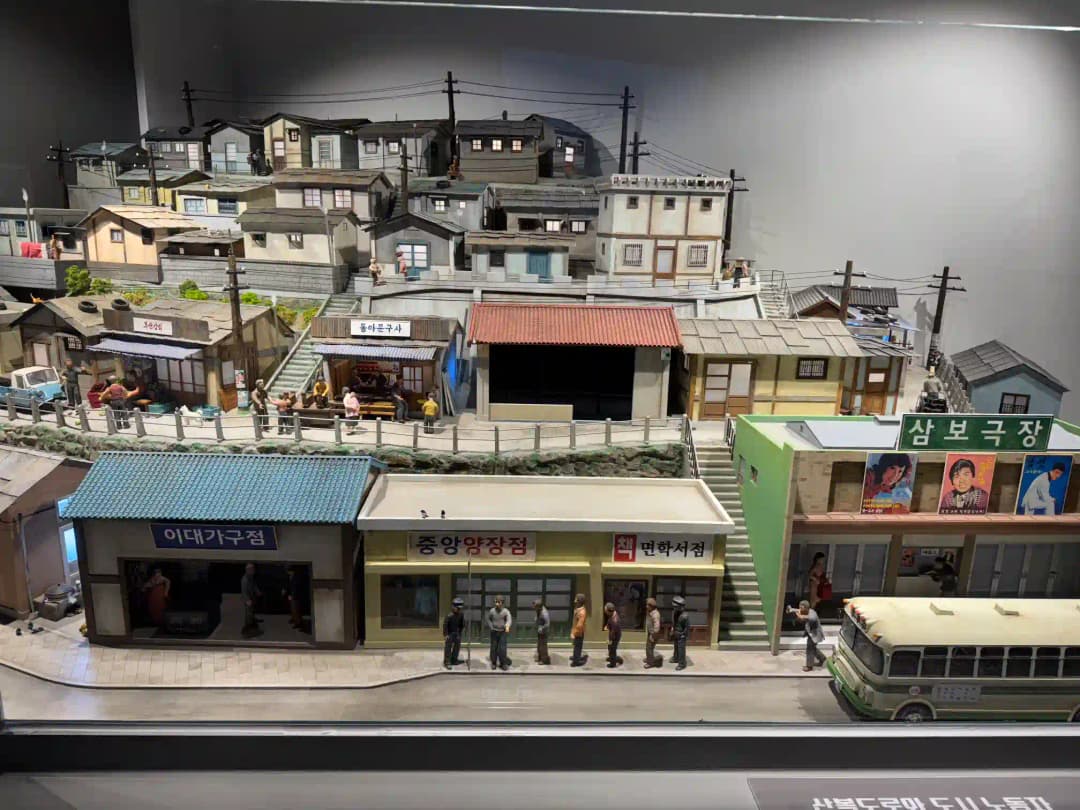
Busan, South Korea – Busan’s historic downtown, once the vibrant heart of South Korea’s second-largest city, now faces significant challenges in retaining its appeal to both locals and tourists. Recently, a foreign visitor shared a critical review that captured a common sentiment: “We were in Busan today—no vibe, alienated elderly, unsafe walkways—and the blah-est place we have been. No social engagement! We went back to our friendly ship! Very sad urban decline.”
This feedback sheds light on deeper issues confronting Busan’s efforts to rejuvenate its historic districts, including Jung-gu, Seo-gu, and Dong-gu. These neighborhoods, once bustling with activity, now struggle with economic stagnation, an aging population, and outdated infrastructure. Despite various city-led initiatives aimed at revitalization, many of the old charms that once drew visitors are fading, leaving behind a sense of alienation and urban decline.
An Aging Heart and a Shrinking Community
Busan's original downtown neighborhoods have seen a steady exodus of younger residents, replaced by an increasingly elderly population. This shift has led to a rise in vacant homes and dwindling businesses, with projections suggesting a 22% population decline in these districts by 2035. Such demographic changes have created a quieter, less dynamic environment that many tourists find underwhelming, especially when compared to Busan’s more modern, tourist-friendly areas like Haeundae.
The aging infrastructure and lack of youthful energy contribute to the desolation some visitors, like the recent reviewer, describe. While these areas boast rich cultural heritage and historical significance, their current state struggles to meet the expectations of modern travelers seeking lively, engaging experiences.
A Push for Practical Solutions
In response to these challenges, the Busan Metropolitan Council’s research group, Pathway to an International Tourism City, recently presented a strategic vision for revitalizing the old downtown. Held on October 16th, the session highlighted several practical changes, ranging from improved pedestrian pathways at Jagalchi Market to better wayfinding systems in the maze-like alleys of the International Market. The emphasis was on making immediate, actionable improvements that address tourists’ most frequent complaints, such as uneven walking paths and limited signage for essential facilities like restrooms.
While the report also noted attempts to beautify areas like Gwangbok-ro with large flower pots, it highlighted how these installations have unintentionally created obstacles for pedestrians. The council’s recommendations aim to create a more welcoming environment that balances aesthetic appeal with functionality, enhancing the experience for all who visit.
The findings underscore the urgency of these changes. With a projected 22% population decline by 2035, time is running out for meaningful intervention. Addressing such practical issues is a crucial first step toward making Busan’s old downtown more accessible and enjoyable.
Challenges Beyond Infrastructure
Despite these targeted efforts, Busan’s old downtown faces significant barriers to long-term revitalization. Outdated physical infrastructure in many areas demands substantial investment for modernization. However, the limited economic returns from these neighborhoods make attracting investment challenging. Additionally, efforts to merge smaller districts like Jung-gu and Seo-gu into a larger administrative body to improve resource management have encountered resistance and logistical hurdles. While such a merger could lead to better allocation of funds and more cohesive planning, it also requires careful coordination among local stakeholders.
Balancing the preservation of historical character with the introduction of modern amenities remains a delicate task. Local businesses and residents are concerned that aggressive redevelopment could erase the unique identity that makes Busan’s old downtown culturally significant.
Beyond High-Rise Developments: A Holistic Approach
While recent discussions about revitalizing Busan’s old downtown have focused on new high-rise developments, a trend enabled by the easing of height restrictions, it is clear that simply building new apartment complexes will not breathe new life into the area. Adding residential buildings alone falls short of fostering the dynamic and engaging atmosphere that residents and tourists alike desire. A more comprehensive approach is needed—one that weaves together community engagement, cultural experiences, and economic vitality.
Real revitalization requires the creation of mixed-use spaces. A blend of residential, commercial, and cultural elements can transform areas into lively hubs where residents and tourists naturally interact. Examples like Tokyo’s Roppongi Hills, where shopping, offices, housing, and cultural venues co-exist, show how such models can create thriving urban spaces.
Busan’s old downtown holds a wealth of historical value, and this can be a major attraction if leveraged correctly. Efforts to restore historic buildings, develop guided walking tours, and establish cultural centers hosting traditional performances could offer visitors richer, more meaningful experiences while preserving the area’s unique identity.
Community interaction is another critical component. Programs that encourage interaction between tourists and locals—such as cooking classes led by residents or workshops on traditional crafts—can provide opportunities for tourists to connect more deeply with the local culture. Such initiatives, seen in cities like Kyoto, can transform passive visits into memorable, active engagements.
Improving Walkability and Celebrating Culture
Enhancing the pedestrian environment is essential for making the old downtown more welcoming. Expanding pedestrian zones, upgrading sidewalks, and offering clear, multilingual signage would make it easier for tourists to navigate and explore the area. These improvements could help create a more inviting space, encouraging visitors to explore the area on foot.
Regular cultural festivals and events offer another way to breathe life into downtown. Seasonal festivals, street performances, and local markets that celebrate Busan’s unique identity can draw both residents and tourists, shifting the perception of a declining urban space to that of a lively cultural hub.
Supporting small businesses and startups is also key. Incentives for new businesses, transforming vacant spaces into co-working hubs, or providing grants for local entrepreneurs can diversify the area’s economic base. Encouraging shops and restaurants that offer local products or unique experiences can attract tourists seeking something distinct.
Broader Implications for Busan’s Future
The revitalization of Busan’s old downtown is crucial not only for improving tourist experiences but also for the city’s broader economic health. If revitalized properly, the historic core of Busan could offer a unique complement to the city’s more contemporary attractions, drawing in tourists interested in cultural experiences and the city’s maritime heritage.
However, this will require a concerted effort from both the city government and the local community. Successful urban regeneration projects from other cities in Korea, like the redevelopment in Changwon, show that strategic planning and community engagement are essential. Busan’s challenge lies in adapting such strategies to its unique cultural and geographic context, ensuring that revitalization efforts benefit both residents and visitors.
Busan’s old downtown stands at a crossroads. The recent criticism from tourists highlights the urgent need for a more dynamic approach to urban revitalization—one that respects the area’s historical roots while adapting to modern expectations. Enhancing social engagement, creating safer, more inviting public spaces, and fostering partnerships between local businesses and cultural organizations could be key steps in this direction.
For Busan, the potential rewards are significant. A revitalized downtown could not only attract more tourists but also restore a sense of pride and vibrancy to the city’s historic heart. With the right balance of preservation and innovation, Busan can ensure that its old downtown remains a cherished part of its urban landscape, offering both locals and visitors a place where the past and future coexist harmoniously.
Continue this reporting
Reporting on the same issue
Related coverage selected from the article's desk, topics and newsroom relationships.
 NewsOct 16, 2026
What Is Still Worth Going to See?
Busan’s biennale faces questions of artistic judgment and institutional care....
 NewsOct 14, 2026
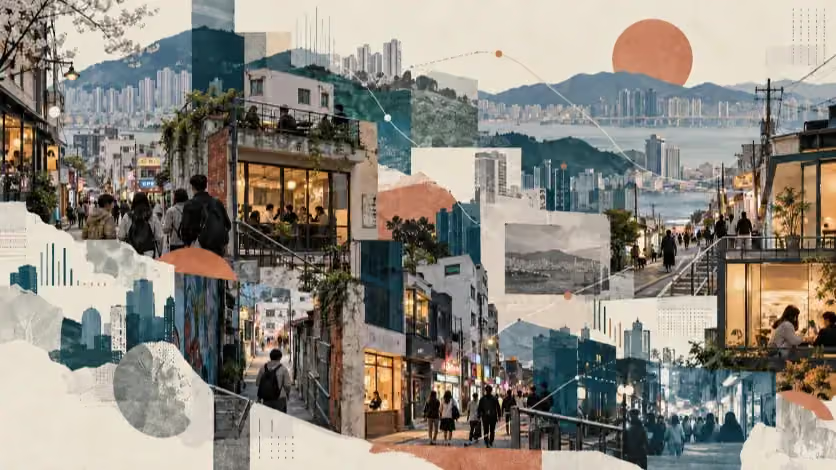
What Became of Busan’s University Streets?
From 2015 to 2023, registered businesses grew near Pusan National University...
 NewsOct 12, 2026
Bukangi, the Shark That Stayed in Busan’s North Port
A rescue net guided Bukangi toward the sea, but the dusky shark returned to B...
More from the author
More from this byline
Stay with the same line of reporting through more work from this byline.
 NewsOct 9, 2026
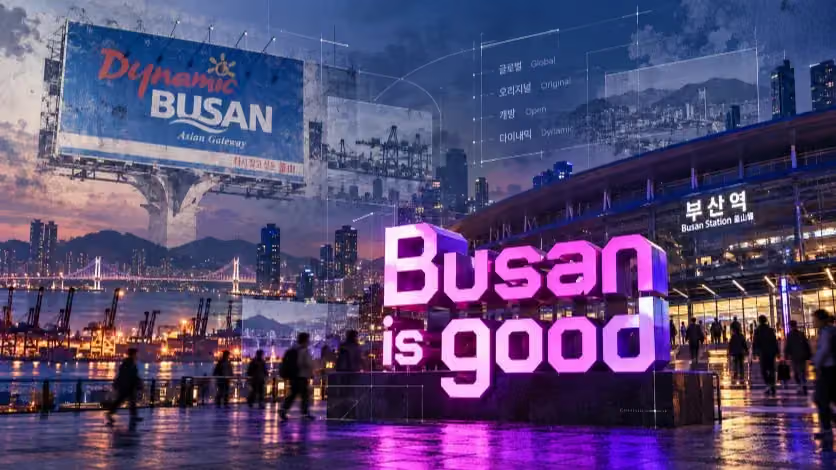
Why “Busan Is Good” Falls Short as a City Brand
 NewsSep 18, 2026
The Other AI Race Is for the Freedom to Change Course
Reader Signal
Community readWhat did this report leave you with?
Choose the signal that best reflects your reading. Select it again to remove it.
One response per article
No response selected
A moderated conversation about the reporting.
One-level replies and newsroom moderation keep the conversation anchored to this article.
Discussion Status
Open
Please sign in to join the discussion.
Newsletter
Weekly reporting and context from Busan and Korea.