Dong-A and Dongseo Universities Selected for 2024 Glocal University Program
Busan, South Korea — The consortium of Dong-A University and Dongseo University has been selected for the 2024 Glocal University initiative by the South Korean Ministry of Education. This initiative, known as "Glocal University 30," is part of a national program aimed at fostering universities with global competitiveness that can drive local economic and social growth. Launched last year with the selection of 10 universities, the program will continue through 2026, ultimately selecting a total

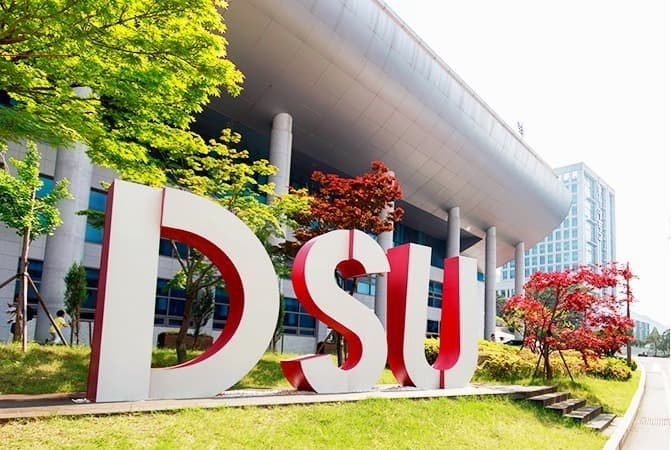
Busan, South Korea — The consortium of Dong-A University and Dongseo University has been selected for the 2024 Glocal University initiative by the South Korean Ministry of Education. This initiative, known as "Glocal University 30," is part of a national program aimed at fostering universities with global competitiveness that can drive local economic and social growth.
Launched last year with the selection of 10 universities, the program will continue through 2026, ultimately selecting a total of 30 universities. Each selected university will receive government funding of 100 billion KRW (approximately 75 million USD) over a five-year period to support their development and contributions to regional and global advancements.
The Glocal University initiative is designed to foster close integration between educational institutions, local industries, and communities, ensuring that universities contribute meaningfully to regional development. The consortium of Dong-A and Dongseo Universities has outlined a comprehensive plan to create an "Open University Model," which aims to facilitate collaboration between academia, industry, and the community in Busan.
A key component of this initiative is the establishment of a "Field-Campus Integrated System." This system is intended to align academic programs with the practical needs of key local industries, such as energy technology, human care, and digital cultural content. The objective is to produce graduates who are well-prepared to contribute to the local economy while also advancing their fields of study.
In addition to fostering industry-academia collaboration, the consortium is committed to retaining talent within the region. To achieve this, the initiative will focus on improving local living conditions and creating opportunities that encourage students to remain in Busan after graduation. The consortium plans to attract 7,000 international students and significantly increase local employment opportunities, contributing to the city's economic and social development.
This selection is noteworthy as it marks the first time private universities have been included in the Glocal University program, following last year’s focus on national universities. The inclusion of Dong-A and Dongseo Universities is expected to serve as a model for how private-public partnerships can drive regional development.
Busan Mayor Park Heong-joon emphasized the significance of this initiative for the city's long-term development. "This program is about more than just academic achievement; it’s about creating a sustainable growth engine for Busan," he stated. The mayor also pledged continued administrative and financial support to ensure the success of the consortium's projects.
The selection of the Dong-A and Dongseo consortium follows extensive planning and collaboration, including the formation of the Glocal University Support Group by the city of Busan. This group played a key role in developing the consortium’s proposal, which includes the creation of an integrated research and development (R&D) campus. This campus is expected to serve as a regional innovation hub, strengthening the connections between academia and industry.
Following the selection of the Dong-A and Dongseo University consortium for the 2024 Glocal University initiative, the next steps involve a detailed and collaborative planning phase. The selected universities, including the Dong-A and Dongseo consortium, have approximately three months to work closely with local governments and industries to establish and submit their comprehensive implementation plans. These plans will be crucial for the final designation by the Ministry of Education.
During this period, the consortium will focus on refining their strategic vision, ensuring alignment with regional development goals, and preparing detailed proposals that outline their intended use of the government funding. The final evaluations by the Glocal University Committee are expected to take place shortly after the submission, with results anticipated by the end of the year.
Continue this reporting
Reporting on the same issue
Related coverage selected from the article's desk, topics and newsroom relationships.
 NewsOct 16, 2026
What Is Still Worth Going to See?
Busan’s biennale faces questions of artistic judgment and institutional care....
 NewsOct 14, 2026
What Became of Busan’s University Streets?
From 2015 to 2023, registered businesses grew near Pusan National University...
 NewsOct 12, 2026
Bukangi, the Shark That Stayed in Busan’s North Port
A rescue net guided Bukangi toward the sea, but the dusky shark returned to B...
More from the author
More from this byline
Stay with the same line of reporting through more work from this byline.
 NewsOct 9, 2026
Why “Busan Is Good” Falls Short as a City Brand
 NewsSep 18, 2026
The Other AI Race Is for the Freedom to Change Course
Reader Signal
Community readWhat did this report leave you with?
Choose the signal that best reflects your reading. Select it again to remove it.
One response per article
No response selected
A moderated conversation about the reporting.
One-level replies and newsroom moderation keep the conversation anchored to this article.
Discussion Status
Open
Please sign in to join the discussion.
Newsletter
Weekly reporting and context from Busan and Korea.