Could Busan and Gyeongnam Become One? Public Forums Begin
Busan-Gyeongnam merger discussions gain momentum as officials and citizens debate the region’s future.

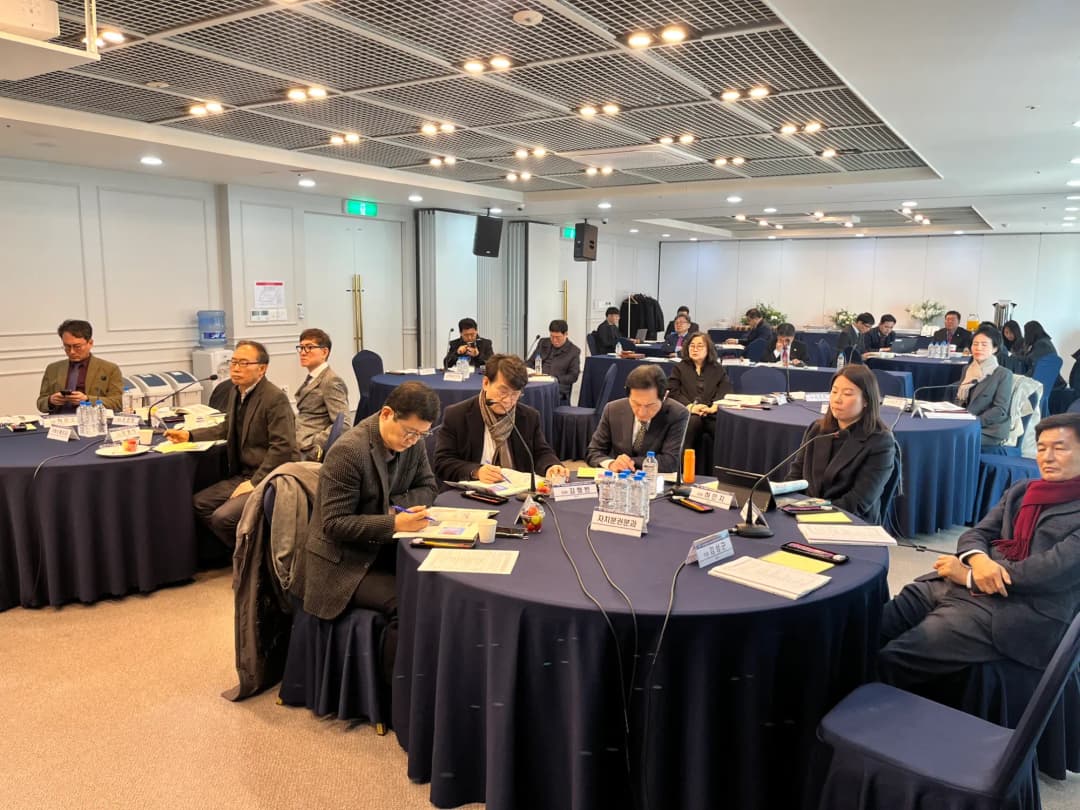
BUSAN, South Korea — The movement to integrate Busan and Gyeongsangnam-do (Gyeongnam) into a single administrative entity is gaining traction as officials ramp up efforts to engage the public and refine policy proposals. On February 11, 2025, a key workshop took place at Haeundae Central Hotel, bringing together policymakers, experts, and committee members to discuss strategies for advancing the initiative.
With South Korea increasingly exploring decentralization, the potential integration of Busan and Gyeongnam has sparked both enthusiasm and debate. The effort aims to streamline governance, boost economic collaboration, and enhance regional autonomy—but challenges remain in balancing administrative efficiency with public sentiment.
The Busan-Gyeongnam Public Discussion Committee, established to oversee the public engagement process, is leading a series of discussions to assess the feasibility of the integration. The February 11 workshop was attended by over 30 officials, including representatives from Busan, Gyeongnam, and the local legislature, marking a critical step in refining the proposal.
During the session, committee members analyzed successful regional integrations, including the Daegu-Gyeongbuk case, where two other South Korean regions embarked on a similar initiative. The discussions also outlined a two-tier and three-tier governance model, each offering different levels of administrative consolidation.
Committee leaders emphasized that public participation is crucial, with a series of citizen forums scheduled from March to April 2025. These discussions, to be held across both Busan and Gyeongnam, will gauge public opinion on key issues such as financial distribution, urban planning, and political representation in the proposed unified region.
The integration proposal follows the November 2024 release of the Busan-Gyeongnam Administrative Integration Blueprint, a document outlining possible structural changes. Among the major changes being considered is the consolidation of Busan’s 15 districts and one county into six larger autonomous zones. This restructuring, according to policymakers, is designed to reduce bureaucracy, improve coordination with Gyeongnam, and facilitate infrastructure planning on a broader scale.
However, not all stakeholders are convinced. Critics argue that such a transformation requires extensive financial and legal adjustments, with concerns over governance overlap and potential disruptions to local services. Opponents also question whether a centralized administration might dilute local representation, particularly in smaller municipalities within Gyeongnam.
Yet, proponents believe integration could enhance Busan’s status as a global economic hub. Officials have cited the success of other metropolitan administrative consolidations worldwide, arguing that a unified Busan-Gyeongnam region could compete more effectively in global markets and attract greater investment opportunities.
At the February 11 workshop, officials reiterated that the public will have the final say in shaping the proposal. The committee plans to compile findings from the upcoming citizen forums and draft a formal proposal by the end of 2025. This document will then be submitted to the local legislatures of both Busan and Gyeongnam for review, with potential for national government involvement if legal amendments are required.
As the process unfolds, the committee is expected to continue gathering public input while refining key policy areas, including taxation, municipal services, and regional investment incentives. Some experts believe that a phased approach—starting with economic integration before full administrative unification—could ease the transition and build greater public support.
The road to integration remains uncertain, but the momentum behind the initiative is undeniable. The next few months will determine whether the vision of a unified regional economic capital can materialize into concrete policy. With high stakes for businesses, residents, and local governance, the integration debate is set to be one of the defining policy discussions of the year.
Continue this reporting
Reporting on the same issue
Related coverage selected from the article's desk, topics and newsroom relationships.
 NewsOct 16, 2026
What Is Still Worth Going to See?
Busan’s biennale faces questions of artistic judgment and institutional care....
 NewsOct 14, 2026
What Became of Busan’s University Streets?
From 2015 to 2023, registered businesses grew near Pusan National University...
 NewsOct 12, 2026
Bukangi, the Shark That Stayed in Busan’s North Port
A rescue net guided Bukangi toward the sea, but the dusky shark returned to B...
More from the author
More from this byline
Stay with the same line of reporting through more work from this byline.
 NewsOct 9, 2026
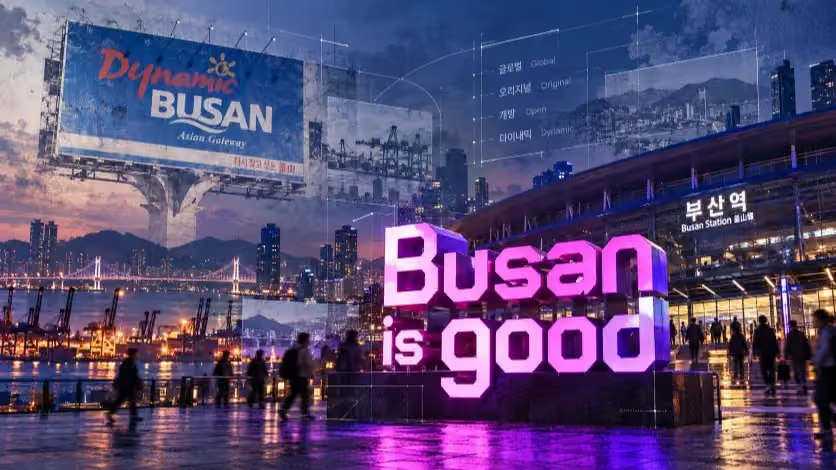
Why “Busan Is Good” Falls Short as a City Brand
 NewsSep 18, 2026
The Other AI Race Is for the Freedom to Change Course
Reader Signal
Community readWhat did this report leave you with?
Choose the signal that best reflects your reading. Select it again to remove it.
One response per article
No response selected
A moderated conversation about the reporting.
One-level replies and newsroom moderation keep the conversation anchored to this article.
Discussion Status
Open
Please sign in to join the discussion.
Newsletter
Weekly reporting and context from Busan and Korea.