Citizens Shape the Future of Busan’s Sustainable Waterfront
Busan, South Korea— The City of Busan has wrapped up an initiative aimed at shaping its waterfront future. With the final session of the “Busan Waterfront Management Basic Plan” Citizen Planning Group, the city moves closer to realizing its vision of becoming a leading waterfront city. The initiative sought to involve residents directly in the planning process, reflecting their input in the city's long-term development goals. Formed in July 2024, the Citizen Planning Group included 80 participa
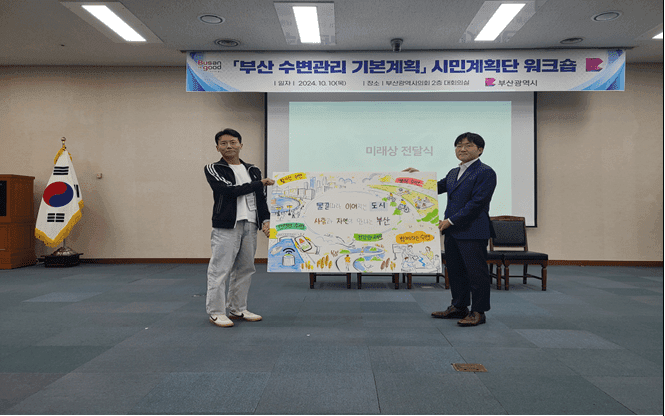
Busan, South Korea— The City of Busan has wrapped up an initiative aimed at shaping its waterfront future. With the final session of the “Busan Waterfront Management Basic Plan” Citizen Planning Group, the city moves closer to realizing its vision of becoming a leading waterfront city. The initiative sought to involve residents directly in the planning process, reflecting their input in the city's long-term development goals.
Formed in July 2024, the Citizen Planning Group included 80 participants representing diverse demographics and neighborhoods across Busan. Over three workshops held between July and October, these residents engaged in discussions, field visits, and visioning sessions to provide feedback on the future of Busan’s waterfront. The effort aimed to ensure that local perspectives are well-reflected in the "Waterfront Management Basic Plan," emphasizing themes like creating "open, vibrant, safe, healthy, and collaborative" public spaces.
The results from these workshops are set to inform the city’s final planning efforts, providing a framework that emphasizes accessibility, community involvement, and sustainability. This approach aligns with broader trends in urban planning, where public participation is increasingly seen as vital to creating spaces that reflect community needs.
Busan’s efforts to reshape its waterfront are part of a broader strategy focused on sustainable urban growth. Recent years have seen the city invest in projects that balance development with ecological preservation, such as enhancing green spaces and improving water quality along its waterways. The input from the Citizen Planning Group supports these aims, with residents expressing a desire for areas that prioritize natural environments, wellness, and open public spaces.
This focus on environmental resilience ties into ongoing city projects like the North Port Redevelopment, which aims to transform industrial areas into hubs for tourism and recreation. Such efforts highlight Busan’s dual goals of economic revitalization and ecological preservation as it seeks to become a model of balanced urban development.
The approach taken by Busan reflects a growing emphasis on community engagement in urban planning. Involving citizens directly in planning processes helps build trust and ensures that development aligns with local priorities. This method has been effective in other cities globally, offering insights into how public feedback can shape urban spaces in a way that benefits the wider community.
Officials from the city have emphasized the importance of this engagement. A representative from the Urban Spatial Planning Department noted that the input of citizens is critical in crafting a vision that aligns with Busan’s identity and future needs. This participatory method is seen as a means to create urban spaces that are both functional and reflective of the community’s character.
While the waterfront plan emphasizes community needs, it is also a strategic part of Busan’s efforts to boost its economy. A revitalized waterfront can serve as a magnet for international tourism, positioning Busan as a key destination for visitors seeking cultural and recreational experiences. The city’s efforts to integrate public spaces with commercial and leisure facilities are expected to enhance its appeal to tourists and investors.
Projects like the North Port redevelopment illustrate this vision, aiming to convert underused industrial areas into vibrant, multi-use spaces. These efforts are designed to stimulate local businesses, create jobs, and improve the quality of life for residents, while also bolstering Busan’s status as a hub for maritime tourism.
Following the completion of the Citizen Planning Group’s activities, Busan will proceed with finalizing the “Waterfront Management Basic Plan.” This process will include further opportunities for public feedback, aiming to ensure that the plan remains in line with residents' expectations. The city’s next steps include detailed design work and preparing for the practical implementation of community-driven recommendations.
Key elements of the plan focus on improving accessibility to waterfront areas, integrating recreational spaces, and promoting ecological conservation efforts. The city also aims to maintain ongoing community involvement through initiatives that encourage resident participation in future projects.
The collaborative work between city planners and residents is paving the way for a waterfront that is not only functional but also reflective of the community’s vision. As Busan implements the “Waterfront Management Basic Plan,” its focus on public engagement and sustainable development may offer valuable insights for other cities seeking to balance growth with community needs.
Continue this reporting
Reporting on the same issue
Related coverage selected from the article's desk, topics and newsroom relationships.
 NewsOct 16, 2026
What Is Still Worth Going to See?
Busan’s biennale faces questions of artistic judgment and institutional care....
 NewsOct 14, 2026
What Became of Busan’s University Streets?
From 2015 to 2023, registered businesses grew near Pusan National University...
 NewsOct 12, 2026
Bukangi, the Shark That Stayed in Busan’s North Port
A rescue net guided Bukangi toward the sea, but the dusky shark returned to B...
More from the author
More from this byline
Stay with the same line of reporting through more work from this byline.
 NewsOct 9, 2026
Why “Busan Is Good” Falls Short as a City Brand
 NewsSep 18, 2026
The Other AI Race Is for the Freedom to Change Course
Reader Signal
Community readWhat did this report leave you with?
Choose the signal that best reflects your reading. Select it again to remove it.
One response per article
No response selected
A moderated conversation about the reporting.
One-level replies and newsroom moderation keep the conversation anchored to this article.
Discussion Status
Open
Please sign in to join the discussion.
Newsletter
Weekly reporting and context from Busan and Korea.