Busan’s Welfare Dependency Uncovers Deeper Socioeconomic Issue
The issue of welfare dependency in South Korea has become a critical topic of discussion, especially with the release of the 2023 data on the National Basic Livelihood Security Program (NBLS). This program, which serves as the cornerstone of South Korea's social safety net, aims to provide financial support to the country's most vulnerable populations. However, the data reveals significant regional disparities, with Busan emerging as one of the cities most affected by welfare dependency. With a

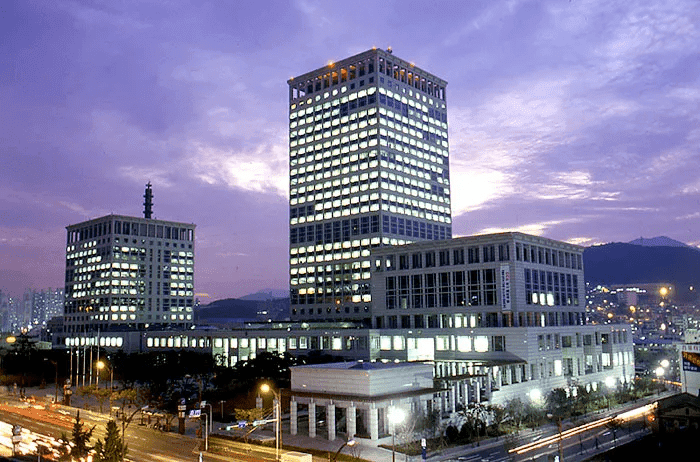
The issue of welfare dependency in South Korea has become a critical topic of discussion, especially with the release of the 2023 data on the National Basic Livelihood Security Program (NBLS). This program, which serves as the cornerstone of South Korea's social safety net, aims to provide financial support to the country's most vulnerable populations. However, the data reveals significant regional disparities, with Busan emerging as one of the cities most affected by welfare dependency. With a dependency rate of 7.1%, which is markedly higher than the national average of 4.9%, Busan's situation raises concerns about the city's economic health and its broader implications for South Korea.
Busan, once known for its industrial strength and maritime significance, now faces a daunting socioeconomic challenge. The city's welfare dependency rate of 7.1% is not just a number; it reflects the struggles of a population grappling with economic transitions and demographic shifts. This rate, significantly higher than the national average, positions Busan alongside other regions like Jeonbuk (7.5%) and Gwangju (6.8%) as areas of concern within South Korea. The high dependency rates in these regions point to deeper, structural issues that need urgent attention.
When compared to other regions, Busan’s situation appears even more concerning. Cities like Seoul, with a dependency rate of 4.5%, and Gyeonggi Province, at 3.4%, have managed to keep welfare reliance relatively low. These areas have benefited from diversified economies and better employment opportunities, which have mitigated the need for extensive welfare support. In contrast, Busan, along with Gwangju and Jeonbuk, illustrates the economic struggles faced by regions that have not transitioned as smoothly into the new economic landscape.
Busan's economy, historically anchored in manufacturing and maritime industries, is undergoing a profound transformation. As global economic dynamics evolve, the city has struggled to adapt to a new economic reality. The decline of traditional industries, coupled with challenges in attracting high-tech and service-oriented sectors, has created pockets of economic stagnation. This transition has disproportionately affected older workers who find it difficult to move into new sectors, widening the gap between those who have adapted and those left behind, thereby increasing the city’s welfare dependency.
Adding to these economic challenges is Busan’s rapidly aging population. With South Korea's birth rate declining and life expectancy increasing, the city has seen a significant rise in its elderly population. This demographic shift places additional pressure on the welfare system, as more seniors require support due to fixed incomes, higher medical costs, and limited employment opportunities. The aging population is a primary driver behind the city’s high welfare dependency, as older residents, particularly those who were once part of the manufacturing sector, now find themselves increasingly reliant on government support.
The economic stagnation linked to high welfare dependency also impacts Busan's real estate market. As the economy struggles and population growth slows, the demand for housing diminishes, leading to lower property values. This decline affects homeowners, real estate investors, and reduces the city's tax base, which is crucial for funding public services. The decrease in property values further hinders urban development and economic revitalization efforts, as potential new investments are deterred.
Areas with high welfare dependency often face urban decay, with limited funds for maintenance and development leading to deteriorating infrastructure. This degradation reduces the quality of life in affected neighborhoods and makes it more challenging for Busan to attract new residents or businesses, further exacerbating the city's economic challenges.
Busan’s situation underscores the uneven economic development across South Korea. While regions like Seoul and Gyeonggi have transitioned into high-tech hubs with low welfare dependency, other areas reliant on manufacturing have struggled to keep pace. This disparity suggests that South Korea needs regional economic policies tailored to the specific needs and challenges of different areas to achieve balanced growth and reduce inequalities.
The broader lesson from Busan’s experience is clear: South Korea requires a tailored, region-specific approach to economic development. Addressing the root causes of welfare dependency, such as industrial decline, demographic shifts, and economic inequality, is crucial for building resilient economies and ensuring equitable opportunities across the nation.
Busan’s high welfare dependency serves as both a cautionary tale and a call to action. With the right policies and interventions, it is possible to reverse this trend and secure the city’s economic future. Continued investment in economic diversification, support for SMEs, and comprehensive social policies will be key to reducing welfare dependency and ensuring Busan’s long-term prosperity. For South Korea, the broader lesson is that fostering inclusive growth and reducing regional disparities are essential for the nation’s overall economic health and stability.
Continue this reporting
Reporting on the same issue
Related coverage selected from the article's desk, topics and newsroom relationships.
 NewsOct 16, 2026
What Is Still Worth Going to See?
Busan’s biennale faces questions of artistic judgment and institutional care....
 NewsOct 14, 2026
What Became of Busan’s University Streets?
From 2015 to 2023, registered businesses grew near Pusan National University...
 NewsOct 12, 2026
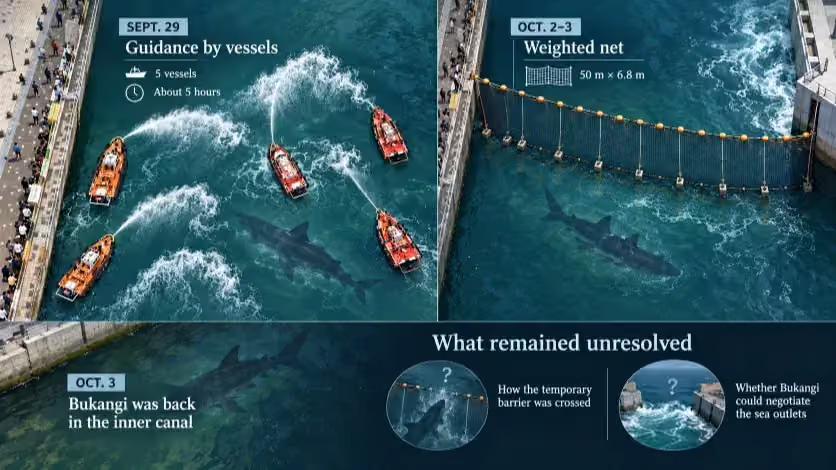
Bukangi, the Shark That Stayed in Busan’s North Port
A rescue net guided Bukangi toward the sea, but the dusky shark returned to B...
More from the author
More from this byline
Stay with the same line of reporting through more work from this byline.
 NewsOct 9, 2026
Why “Busan Is Good” Falls Short as a City Brand
 NewsSep 18, 2026
The Other AI Race Is for the Freedom to Change Course
Reader Signal
Community readWhat did this report leave you with?
Choose the signal that best reflects your reading. Select it again to remove it.
One response per article
No response selected
A moderated conversation about the reporting.
One-level replies and newsroom moderation keep the conversation anchored to this article.
Discussion Status
Open
Please sign in to join the discussion.
Newsletter
Weekly reporting and context from Busan and Korea.