Busan's Struggle with Sinkholes and Flooding
Busan, South Korea - Busan faces significant challenges in dealing with sinkholes and urban flooding. In recent years, sinkholes have emerged in areas like Sasang-gu District, especially near ongoing subway construction projects, raising concerns among residents. Heavy rainfall and the disruption of the city's delicate underground environment are exacerbating these issues, highlighting the vulnerability of Busan’s infrastructure. The interplay between rapid urbanization, weakened ground conditio

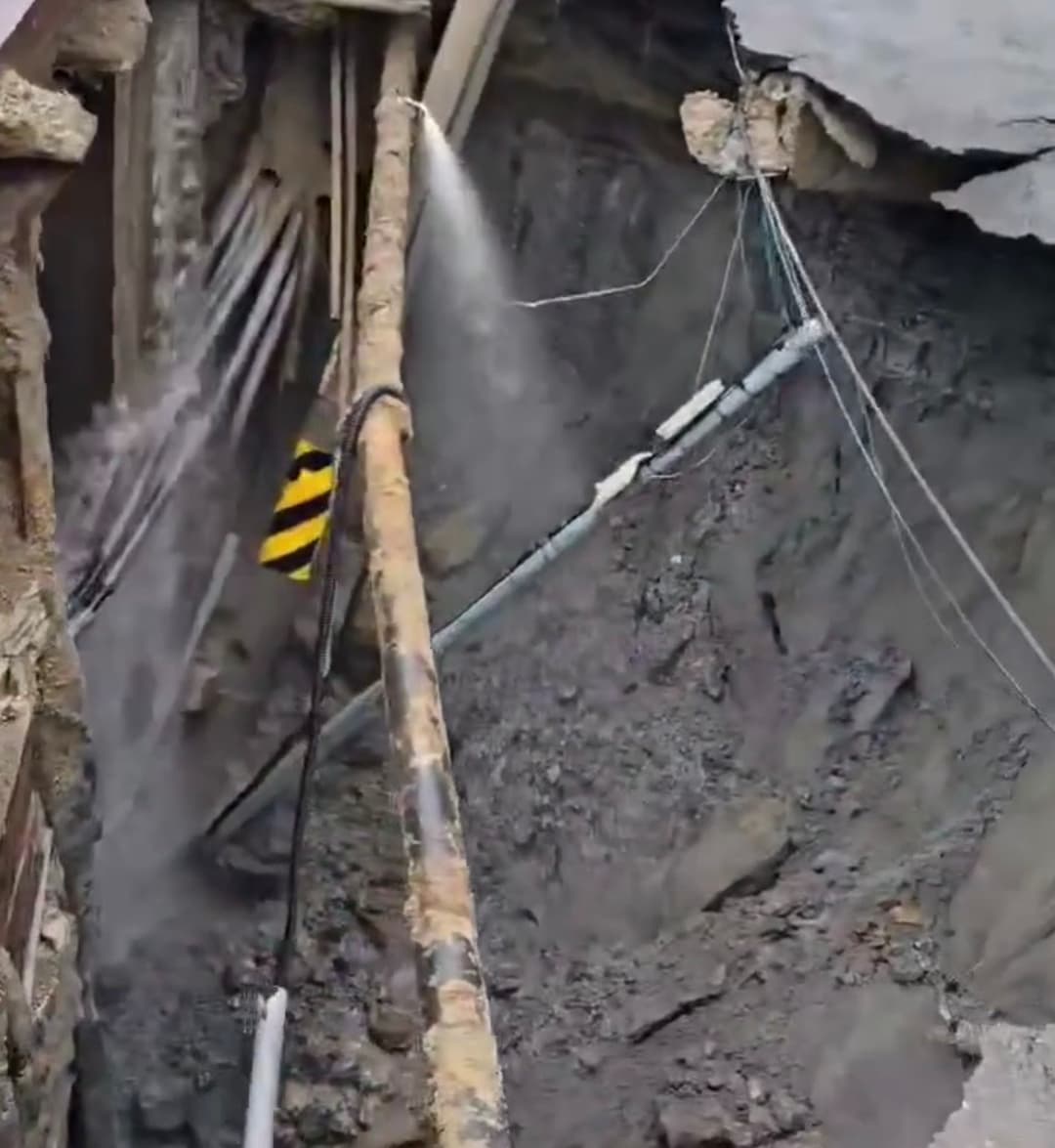
Busan, South Korea - Busan faces significant challenges in dealing with sinkholes and urban flooding. In recent years, sinkholes have emerged in areas like Sasang-gu District, especially near ongoing subway construction projects, raising concerns among residents. Heavy rainfall and the disruption of the city's delicate underground environment are exacerbating these issues, highlighting the vulnerability of Busan’s infrastructure. The interplay between rapid urbanization, weakened ground conditions, and intensifying climate events has made Busan's problems increasingly difficult to manage.
Busan’s unique geography places it at high risk for both flooding and ground subsidence. Surrounded by mountains and bordered by the sea, the city experiences rapid water runoff during heavy rains, especially in low-lying urban areas. This topographical setup, combined with increasingly intense rainfall due to climate change, results in frequent flash floods. In recent years, short but intense bursts of rain have overwhelmed Busan’s drainage systems, turning streets into rivers in a matter of minutes.
As global climate patterns shift, Busan is likely to face even more severe weather events. The rising frequency of such extreme rainfall only heightens the need for better flood management solutions and infrastructure capable of withstanding future climate challenges.
One of the core issues exacerbating flooding in Busan is the city's aging drainage infrastructure. Designed decades ago, many of these systems are not equipped to handle the immense volumes of water seen in recent storm events. Urban development has also paved over natural drainage areas, further increasing surface runoff and straining an already overburdened system.
On top of these issues, Busan’s rapid urbanization has expanded the city’s underground infrastructure. Subway construction, particularly in geologically unstable areas like Sasang District, has disrupted groundwater flows and weakened the ground, creating the perfect conditions for sinkholes. Recent subway expansions in this district have led to multiple cases of ground collapse, leaving citizens uneasy about the ongoing construction.
The Sasang-Hadan subway line has become a focal point of Busan’s sinkhole problem. Numerous sinkholes have appeared around the construction site, alarming both residents and city officials. These sinkholes, sometimes large enough to swallow cars, are linked to the ongoing subway construction. Excavation for underground tunnels in this area has disturbed the already weak soil structure, and the sudden shifts in groundwater levels have created unstable conditions.
Residents have voiced growing concerns, as these sinkholes seem to be occurring more frequently, directly linked to the disruptions caused by the construction process. The public’s worry is compounded by fears that future subway expansions will create more such issues, further endangering urban areas.
Busan's geological makeup is naturally susceptible to subsidence, especially in areas with soft or weak soil like Sasang District. When subway tunnels are dug through these regions, groundwater depletion becomes a critical issue. The removal of groundwater or changes to its flow destabilizes the surrounding soil, making it prone to collapse.
In addition, Busan faces another, less visible threat: aging water and sewer pipelines. Leaks from these systems erode the ground from below, accelerating subsidence and making the ground even more unstable. The combination of these factors often leads to sinkholes, which, when they occur in urban areas, can cause serious property damage and threaten public safety.
The Busan government has been scrambling to address these increasingly frequent sinkholes and flooding issues. Current efforts include upgrades to the city’s drainage systems, aiming to improve the capacity to handle heavy rain events. Meanwhile, subway construction projects are now required to undergo more rigorous environmental and safety assessments before receiving approval.
To monitor the city's underground infrastructure, Busan has begun using advanced technology like the Interferometric Synthetic Aperture Radar (InSAR) system. This tool allows for real-time tracking of ground movements and can detect early signs of subsidence, giving engineers valuable data to manage these risks more proactively.
Addressing Busan’s vulnerability to both sinkholes and flooding requires more than just technological fixes. Green infrastructure solutions, such as permeable pavements, rain gardens, and rooftop vegetation, should be implemented to absorb rainwater and reduce surface runoff. Expanding green spaces can also help reduce pressure on the city’s drainage systems during storms.
More rigorous safety measures are also essential for ongoing subway construction. Improved geological surveys and groundwater management protocols could mitigate some of the risks posed by tunneling through weak soil. Additionally, establishing clearer public safety protocols and early warning systems can help residents prepare for and respond to sinkhole incidents and flash floods.
Experts emphasize the urgency of rethinking Busan’s urban planning. Without significant changes, the city’s infrastructure will continue to buckle under the combined pressures of climate change and rapid development. Urban planners recommend adopting resilient city designs that integrate both flood management and ground stability measures. Civil engineers, too, stress the need for more careful monitoring of underground construction, particularly in geologically sensitive areas.
Projections suggest that if Busan does not adapt its approach, the risks posed by both natural disasters and man-made infrastructure problems will only grow. The city must embrace a future-oriented strategy that incorporates resilient infrastructure design and smart urban planning to safeguard its citizens and resources.
Continue this reporting
Reporting on the same issue
Related coverage selected from the article's desk, topics and newsroom relationships.
 NewsOct 16, 2026
What Is Still Worth Going to See?
Busan’s biennale faces questions of artistic judgment and institutional care....
 NewsOct 14, 2026
What Became of Busan’s University Streets?
From 2015 to 2023, registered businesses grew near Pusan National University...
 NewsOct 12, 2026
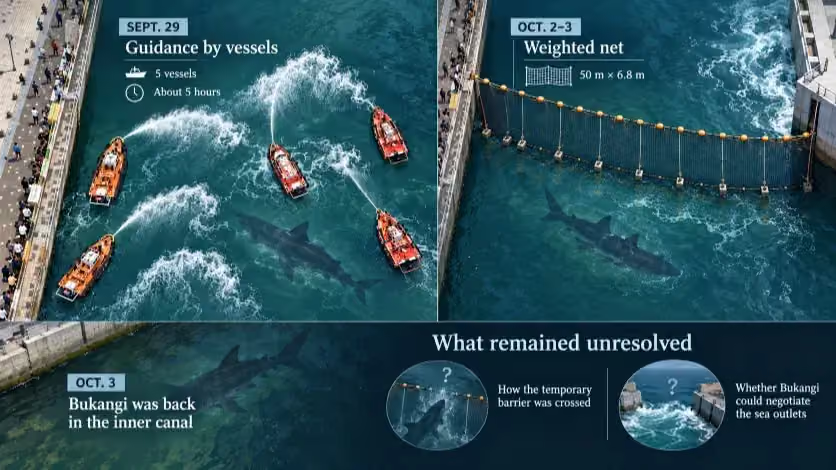
Bukangi, the Shark That Stayed in Busan’s North Port
A rescue net guided Bukangi toward the sea, but the dusky shark returned to B...
More from the author
More from this byline
Stay with the same line of reporting through more work from this byline.
 NewsOct 9, 2026
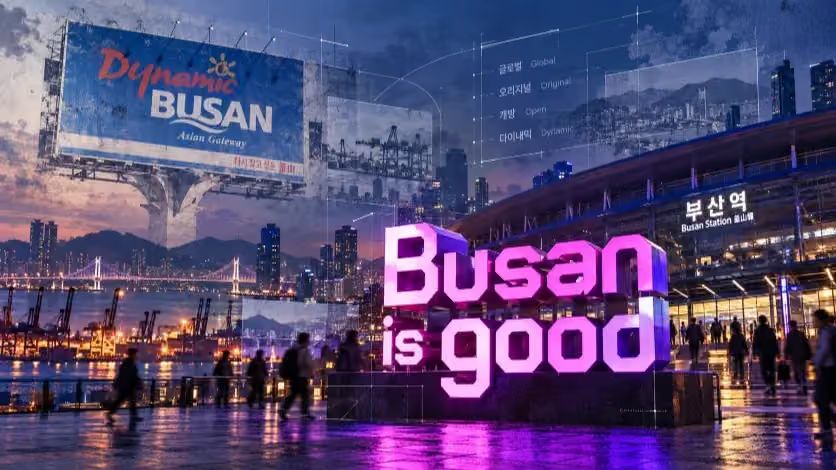
Why “Busan Is Good” Falls Short as a City Brand
 NewsSep 18, 2026
The Other AI Race Is for the Freedom to Change Course
Reader Signal
Community readWhat did this report leave you with?
Choose the signal that best reflects your reading. Select it again to remove it.
One response per article
No response selected
A moderated conversation about the reporting.
One-level replies and newsroom moderation keep the conversation anchored to this article.
Discussion Status
Open
Please sign in to join the discussion.
Newsletter
Weekly reporting and context from Busan and Korea.