Busan’s Smart Farming Robots Revolutionize Agriculture
Busan, South Korea - To modernize agriculture, the Busan Agricultural Technology Center unveiled groundbreaking smart farming technologies at a live demonstration on December 12. Held at pilot farms in the Gangseo District, the event introduced autonomous robots designed to enhance efficiency and reduce the labor burden for local farmers. The demonstration showcased two innovative solutions: an autonomous pesticide sprayer with unparalleled precision and a worker-following transport robot capab

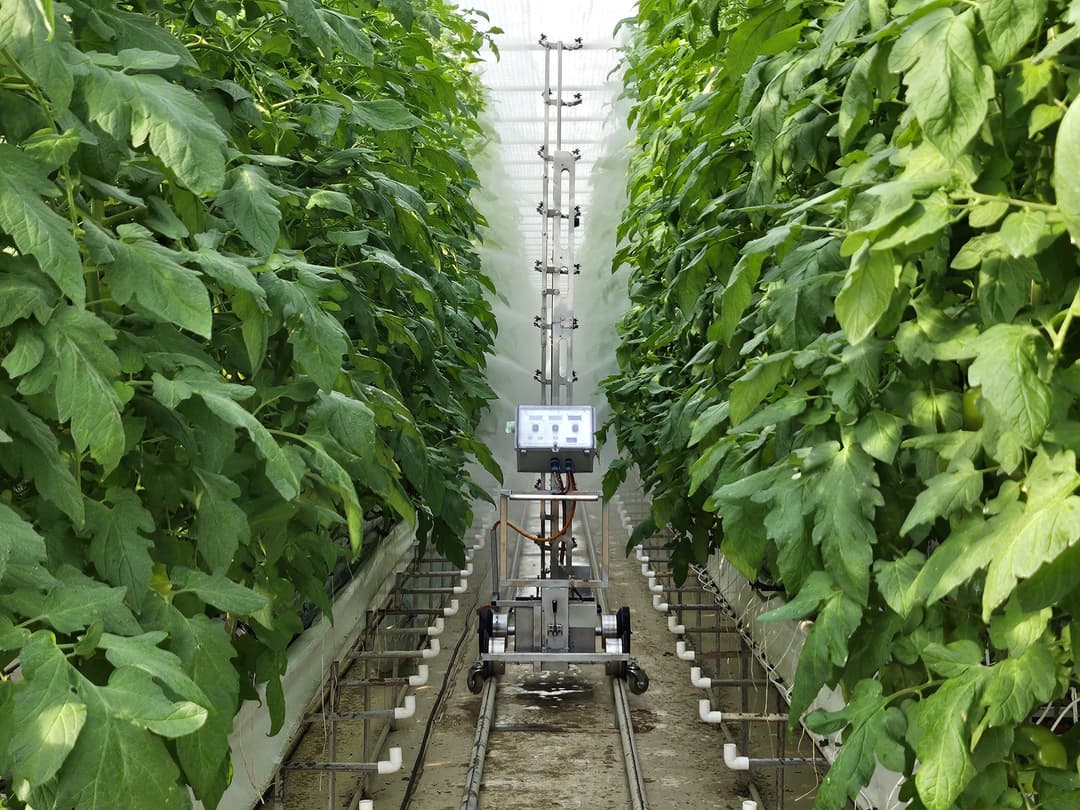
Busan, South Korea - To modernize agriculture, the Busan Agricultural Technology Center unveiled groundbreaking smart farming technologies at a live demonstration on December 12. Held at pilot farms in the Gangseo District, the event introduced autonomous robots designed to enhance efficiency and reduce the labor burden for local farmers.
The demonstration showcased two innovative solutions: an autonomous pesticide sprayer with unparalleled precision and a worker-following transport robot capable of carrying heavy loads. Together, these technologies represent a leap forward for smart farming in Busan.
With South Korea's agricultural industry grappling with an aging workforce and high labor costs, innovative technologies have become essential for sustainability. The Busan Agricultural Technology Center has invested ₩150 million this year to pilot smart farming solutions across six local farms.
“This initiative is not just about technology; it’s about creating a future where farming is efficient, sustainable, and appealing to younger generations,” said Director of the Agricultural Technology Center. “These robots represent a significant step toward that vision.”
One of the key highlights of the event was an autonomous pesticide sprayer, equipped with a high-precision shaking mechanism capable of achieving 98% coverage on crops, including the undersides of leaves—an area notoriously difficult to treat with conventional methods.
This smart sprayer delivers significant benefits:
- Efficiency Gains: It reduces pesticide application time by 50%, completing treatment for a 1,000㎡ area in just 25 minutes.
- Labor Savings: By allowing for remote operation, it cuts labor requirements by up to 80%.
The second innovation showcased was a transport robot designed to follow workers and autonomously carry heavy loads. With a capacity of up to 300 kilograms (kg) and a battery life of over eight hours, the robot is tailored to meet the rigorous demands of modern farming.
The transport robot offers numerous advantages:
- Productivity Boost: Daily transport capacity increases from 200 kg to 580 kg.
- Labor Reduction: Manual worker requirements are reduced from six to three for transport tasks.
The event, attended by 40 participants including farmers, agricultural experts, and technology developers, emphasized the importance of collaboration and practical application of these technologies. Stakeholders engaged in discussions about the technologies’ potential improvements and their broader implications for farming practices.
As farming faces challenges like aging workforces and the need for sustainable practices, autonomous technologies offer a promising solution. The adoption of these tools can reduce labor dependency, lower costs, and enhance productivity, paving the way for a more efficient and resilient agricultural industry.
Continue this reporting
Reporting on the same issue
Related coverage selected from the article's desk, topics and newsroom relationships.
 NewsOct 16, 2026
What Is Still Worth Going to See?
Busan’s biennale faces questions of artistic judgment and institutional care....
 NewsOct 14, 2026
What Became of Busan’s University Streets?
From 2015 to 2023, registered businesses grew near Pusan National University...
 NewsOct 12, 2026
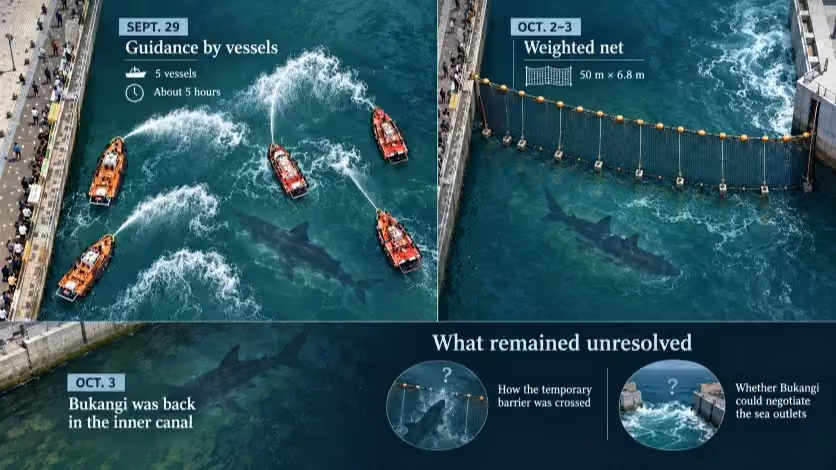
Bukangi, the Shark That Stayed in Busan’s North Port
A rescue net guided Bukangi toward the sea, but the dusky shark returned to B...
More from the author
More from this byline
Stay with the same line of reporting through more work from this byline.
 NewsOct 9, 2026
Why “Busan Is Good” Falls Short as a City Brand
 NewsSep 18, 2026
The Other AI Race Is for the Freedom to Change Course
Reader Signal
Community readWhat did this report leave you with?
Choose the signal that best reflects your reading. Select it again to remove it.
One response per article
No response selected
A moderated conversation about the reporting.
One-level replies and newsroom moderation keep the conversation anchored to this article.
Discussion Status
Open
Please sign in to join the discussion.
Newsletter
Weekly reporting and context from Busan and Korea.