Busan’s Saha District Launches Matchmaking With Cash Support
Busan, South Korea - To address South Korea’s alarming population decline, Busan’s Saha District is hosting an innovative matchmaking event that combines romance with financial incentives. The event, dubbed “Heartfelt Saha Bridge”, has garnered attention from international media for its unique approach to tackling the country’s demographic crisis. The initiative offers substantial cash rewards to singles who date, marry, and settle down, a strategy aimed at reversing the declining birth rate. S

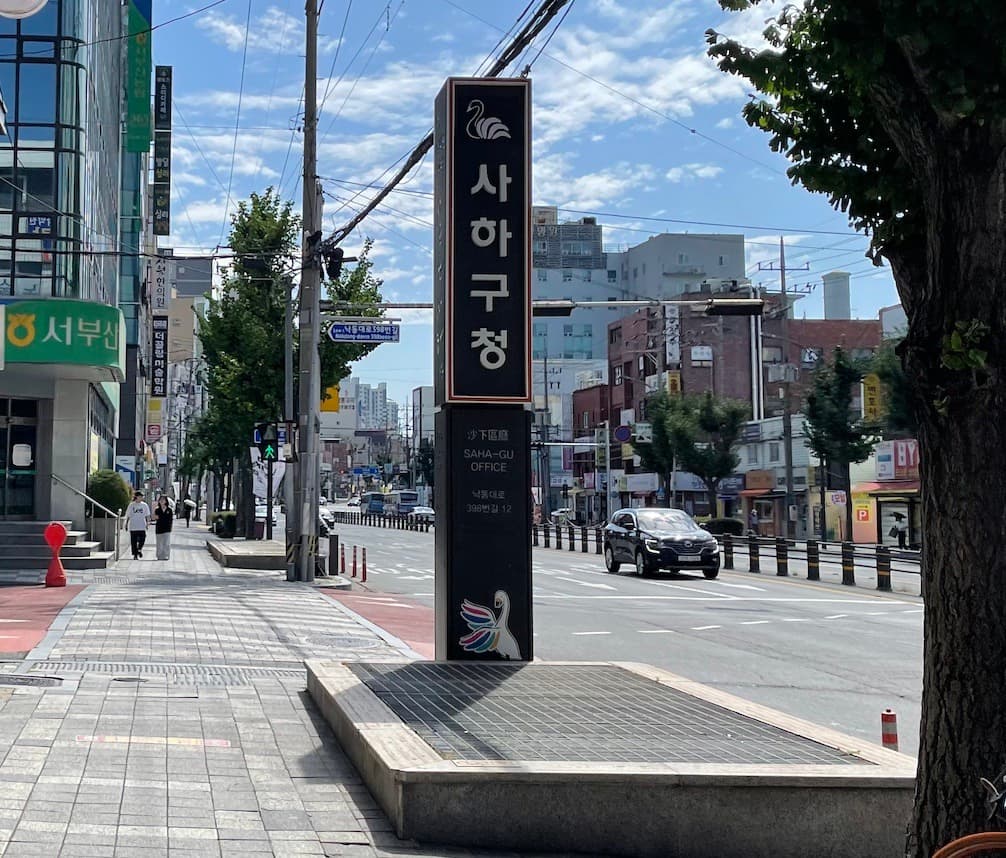
Busan, South Korea - To address South Korea’s alarming population decline, Busan’s Saha District is hosting an innovative matchmaking event that combines romance with financial incentives. The event, dubbed “Heartfelt Saha Bridge”, has garnered attention from international media for its unique approach to tackling the country’s demographic crisis. The initiative offers substantial cash rewards to singles who date, marry, and settle down, a strategy aimed at reversing the declining birth rate.
South Korea has one of the lowest birth rates in the world, with the fertility rate dropping to 0.72 in 2023. In response, Saha District, located in Busan, is taking proactive steps to encourage local singles to meet, form relationships, and start families. The "Heartfelt Saha Bridge" event is part of a broader effort to address this crisis by offering significant financial support to those who participate and form lasting bonds.
According to Saha District’s official announcement, the “Heartfelt Saha Bridge” event will take place from November 9 to 10, 2024, at the Eulsukdo National Youth Eco-Center. Over the course of two days, 28 participants (14 men and 14 women) will engage in various activities designed to foster connections. These activities include random couple matching, rotational conversations, and dates at local landmarks, such as Dadaepo Beach and Eulsukdo Island.
Eligible participants must be 23 to 43 years old and either reside or work in Saha District for at least one year. Applications are open from September 16 to September 29, and participants will be selected based on residency, employment duration, and their commitment to the district. Applicants will go through a screening process that includes a document review and an interview. In addition to standard identification and residence documents, participants are required to submit a self-introduction and even photos to showcase their personalities.
Saha District is offering substantial cash rewards to encourage long-term relationships and marriages. Couples who meet during the event will each receive 500,000 won (about $360 USD) for agreeing to date. Should the couple decide to marry, they will be awarded an additional 20 million won (approximately $14,500 USD). Newlyweds are also eligible for housing support, receiving up to 30 million won as a deposit or 800,000 won (around $579 USD) per month for up to five years in rent subsidies.
Application and Selection Process
- Application Period: September 16 – September 29, 2024
- Eligibility:
- Ages 23 to 43
- Must reside or work in Saha District for over a year
- Must be single with no prior marriage history
- Required Documents:
- Self-introduction, recent photo
- Proof of residency or employment
- Personal identification documents
- Consent for data use
- Selection: The selection process consists of two phases: a document review and an individual interview. Forty-two candidates (1.5 times the required number) will be selected in the first round. From there, 28 finalists (14 men and 14 women) will be chosen after a round of individual interviews between October 10-11. Final participants will be notified by October 29, 2024.
Interested participants can apply through the official Saha District website by following this link.
The international spotlight on Saha District’s initiative reflects growing global interest in how local governments can creatively address population decline. This matchmaking event, along with significant financial incentives, is part of South Korea’s broader attempt to reverse a decades-long demographic trend. Local governments, including Saha District, are implementing these programs to create more sustainable communities and encourage younger generations to start families.
While many see this as a positive step toward increasing birth rates, experts remain cautious. Some argue that financial incentives alone may not address the deeper societal challenges—such as high housing costs and competitive job markets—that discourage young people from starting families. However, the “Heartfelt Saha Bridge” initiative is viewed as a pioneering effort to promote not only romance but long-term settlement within local communities.
Continue this reporting
Reporting on the same issue
Related coverage selected from the article's desk, topics and newsroom relationships.
 NewsOct 16, 2026
What Is Still Worth Going to See?
Busan’s biennale faces questions of artistic judgment and institutional care....
 NewsOct 14, 2026
What Became of Busan’s University Streets?
From 2015 to 2023, registered businesses grew near Pusan National University...
 NewsOct 12, 2026
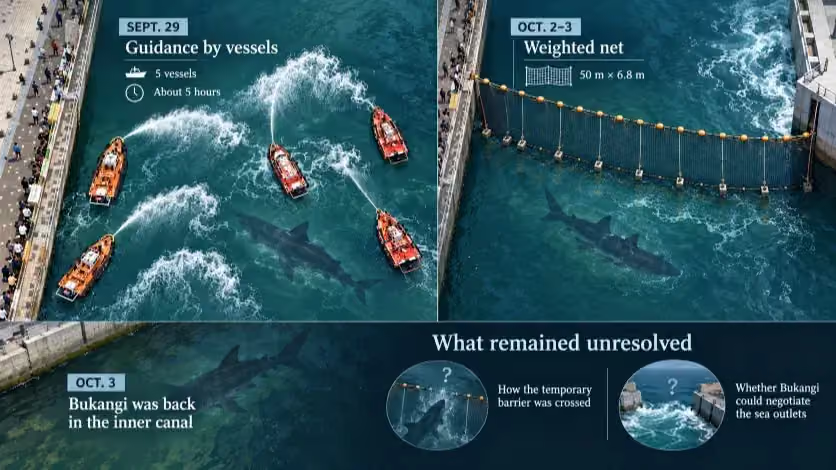
Bukangi, the Shark That Stayed in Busan’s North Port
A rescue net guided Bukangi toward the sea, but the dusky shark returned to B...
More from the author
More from this byline
Stay with the same line of reporting through more work from this byline.
 NewsOct 9, 2026
Why “Busan Is Good” Falls Short as a City Brand
 NewsSep 18, 2026
The Other AI Race Is for the Freedom to Change Course
Reader Signal
Community readWhat did this report leave you with?
Choose the signal that best reflects your reading. Select it again to remove it.
One response per article
No response selected
A moderated conversation about the reporting.
One-level replies and newsroom moderation keep the conversation anchored to this article.
Discussion Status
Open
Please sign in to join the discussion.
Newsletter
Weekly reporting and context from Busan and Korea.