Busan’s Royal Russell School: Opportunity or Gamble?
Busan, South Korea - The recent announcement of the Royal Russell School’s Busan campus project marks a significant milestone in the city’s quest to position itself as a global hub. As the first foreign educational institution in Busan, the project has cleared a crucial regulatory hurdle, enabling its construction to move forward. Touted as a vital component of Busan's strategic development, the Royal Russell School is expected to cater to expatriate families and foster the city's transformation

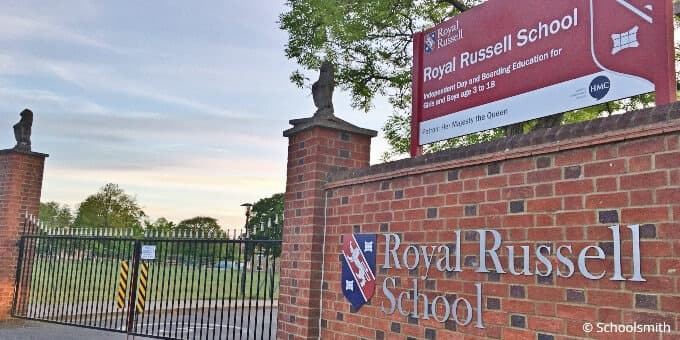
Busan, South Korea - The recent announcement of the Royal Russell School’s Busan campus project marks a significant milestone in the city’s quest to position itself as a global hub. As the first foreign educational institution in Busan, the project has cleared a crucial regulatory hurdle, enabling its construction to move forward. Touted as a vital component of Busan's strategic development, the Royal Russell School is expected to cater to expatriate families and foster the city's transformation into a global city. However, the ambitious plan has sparked a debate about whether the economic and educational benefits outweigh the substantial costs and challenges.
Busan has long aimed to enhance its global profile, but it has faced limitations in providing world-class educational opportunities for international families. Unlike other cities such as Incheon and Daegu, which host established foreign schools like Chadwick International School and Daegu International School, Busan has been unable to offer comparable educational options. The absence of foreign institutions has hindered the city's ability to attract long-term expatriates and multinational corporations.
The Royal Russell School, set to open in Myeongji International New City, seeks to fill this gap. It promises to deliver international-standard education from kindergarten through high school, aligning with Busan’s broader ambition to become a key player in the global economy. The school’s proximity to major infrastructure projects, such as Gadeokdo New Airport and the Eco Delta City, underscores its strategic importance. By providing high-quality education, the school is expected to attract expatriate families and serve as a magnet for foreign investment.
By attracting expatriates and international companies, the school will likely spur foreign direct investment and contribute to Busan’s ongoing urban and economic development. Foreign education institutions, particularly those that offer the International Baccalaureate (IB) or American curricula, are seen as essential components of cities aiming to attract highly skilled professionals and global corporations.
In addition to benefiting expatriate families, the Royal Russell School could also generate new employment opportunities in teaching and support staff. Furthermore, its presence could raise property values and stimulate real estate development in Myeongji International New City, turning the area into a sought-after residential and commercial hub. The broader social impact includes the creation of a multicultural environment that may help retain both foreign talent and Korean families who might otherwise send their children abroad for education.
The Royal Russell School's approval is the result of significant regulatory innovation at the governmental level. The project gained momentum following a decision made at the Central-Local Cooperation Conference, which allowed greater autonomy for local governments to manage large-scale investment projects. The success of this policy shift demonstrates a collaborative effort between Busan’s local government and national authorities, showcasing a model for public-private partnerships aimed at boosting regional development.
This regulatory breakthrough is expected to encourage other local governments to pursue similar projects, using the Busan case as a blueprint for leveraging foreign educational institutions to enhance regional competitiveness. The decision also signals a potential shift in how Korea approaches large-scale international collaborations, giving more power to local governments to make strategic decisions.
Potential Challenges and Criticism
While the Royal Russell School has been heralded as a game-changer for Busan, it faces significant challenges, many of which reflect broader issues in South Korea’s international school sector.
One of the most pressing concerns is the high tuition fees typically associated with foreign schools in Korea. Such fees are often prohibitively expensive for local families, raising questions about the accessibility of the Royal Russell School. Many fear that the school may primarily serve the wealthy, creating an exclusive educational environment that leaves behind middle- and lower-income families.
Additionally, Korean regulations limit the percentage of local students who can attend foreign schools to 30-50%, which could restrict opportunities for local families. Although this policy is designed to maintain the international character of these institutions, it has sparked debates about equity in education. Many Korean families are looking for alternatives to the country’s rigorous and competitive public education system, but find their options limited due to these enrollment caps.
Culturally, the adoption of Western curricula, such as the International Baccalaureate (IB) and Advanced Placement (AP) programs, has raised concerns about the potential disconnect between the students and their Korean heritage. Critics argue that international schools may fail to provide sufficient education in Korean history, language, and culture, potentially leaving students feeling detached from their national identity. While the government mandates minimal instruction in Korean language and history, many believe this is insufficient to preserve cultural ties.
The sustainability of the project has also been questioned, particularly in light of past failures of foreign education ventures in Korea. The closure of Friedrich Alexander University’s Busan campus in 2019, due to low enrollment and financial struggles, serves as a cautionary tale. Critics worry that the Royal Russell School could face similar challenges if it cannot attract a stable student base or maintain financial viability over the long term.
Moreover, the school may face difficulties in recruiting and retaining qualified teachers. International schools in Korea often struggle to attract top educators due to high living costs and competition with other prestigious institutions globally. Ensuring a consistent standard of education will require the Royal Russell School to offer competitive salaries and conditions, which could strain its financial resources.
Despite the challenges, there is optimism surrounding the Royal Russell School’s future. If successful, the project could play a transformative role in Busan’s internationalization, helping the city attract foreign investment and high-caliber global talent. The school’s ability to deliver a world-class education could provide an alternative to Korea’s high-pressure public education system, making Busan an attractive destination for both expatriates and local families alike.
The project is now entering its design and construction phases, with the school expected to open its doors in 2028. Its success will depend not only on its academic offerings but also on its ability to integrate into the local community and address the concerns surrounding accessibility and sustainability. As Busan moves forward with its ambitious plans, the Royal Russell School will serve as an important indicator of the city’s capacity to balance its global ambitions with the needs of its local population.
Continue this reporting
Reporting on the same issue
Related coverage selected from the article's desk, topics and newsroom relationships.
 NewsOct 16, 2026
What Is Still Worth Going to See?
Busan’s biennale faces questions of artistic judgment and institutional care....
 NewsOct 14, 2026
What Became of Busan’s University Streets?
From 2015 to 2023, registered businesses grew near Pusan National University...
 NewsOct 12, 2026
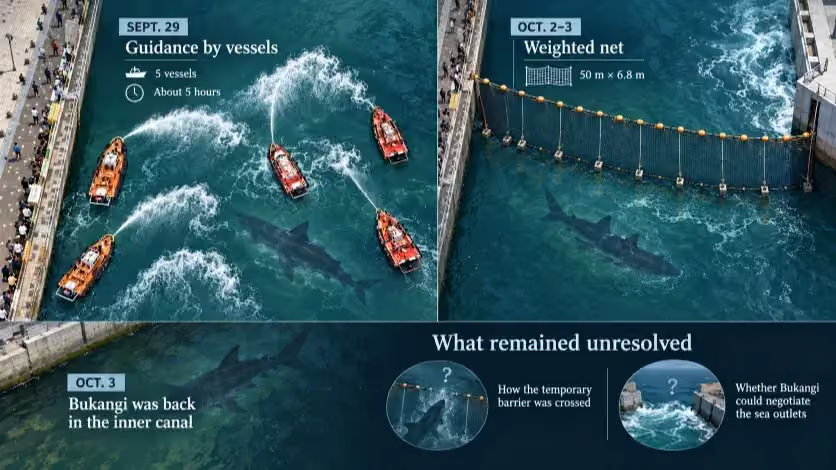
Bukangi, the Shark That Stayed in Busan’s North Port
A rescue net guided Bukangi toward the sea, but the dusky shark returned to B...
More from the author
More from this byline
Stay with the same line of reporting through more work from this byline.
 NewsOct 9, 2026
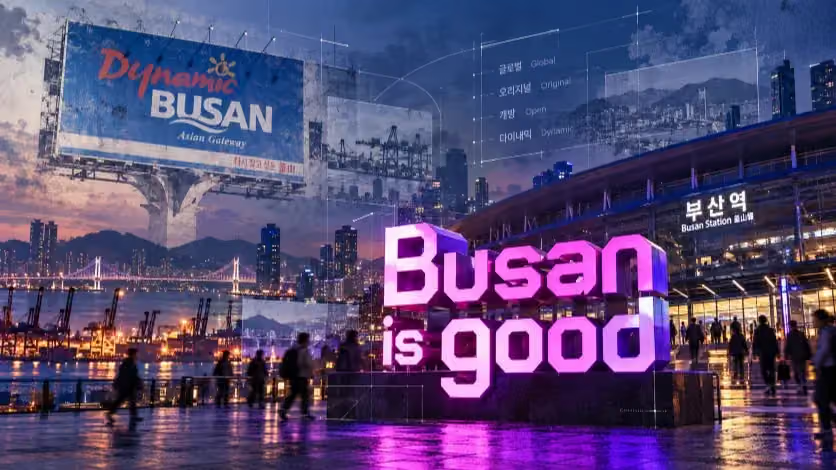
Why “Busan Is Good” Falls Short as a City Brand
 NewsSep 18, 2026
The Other AI Race Is for the Freedom to Change Course
Reader Signal
Community readWhat did this report leave you with?
Choose the signal that best reflects your reading. Select it again to remove it.
One response per article
No response selected
A moderated conversation about the reporting.
One-level replies and newsroom moderation keep the conversation anchored to this article.
Discussion Status
Open
Please sign in to join the discussion.
Newsletter
Weekly reporting and context from Busan and Korea.