Busan's Real Estate Market Faces Mounting Challenges
Busan, South Korea — The real estate market in Busan is facing significant challenges as of August 2024, due to a combination of economic pressures, demographic shifts, and an oversupply of new apartment units. These factors contribute to a complex and uncertain outlook for the city's property market, raising concerns among investors, homeowners, and policymakers. The situation in Busan contrasts sharply with the bullish market trends seen in Seoul, highlighting the divergent fortunes of South K

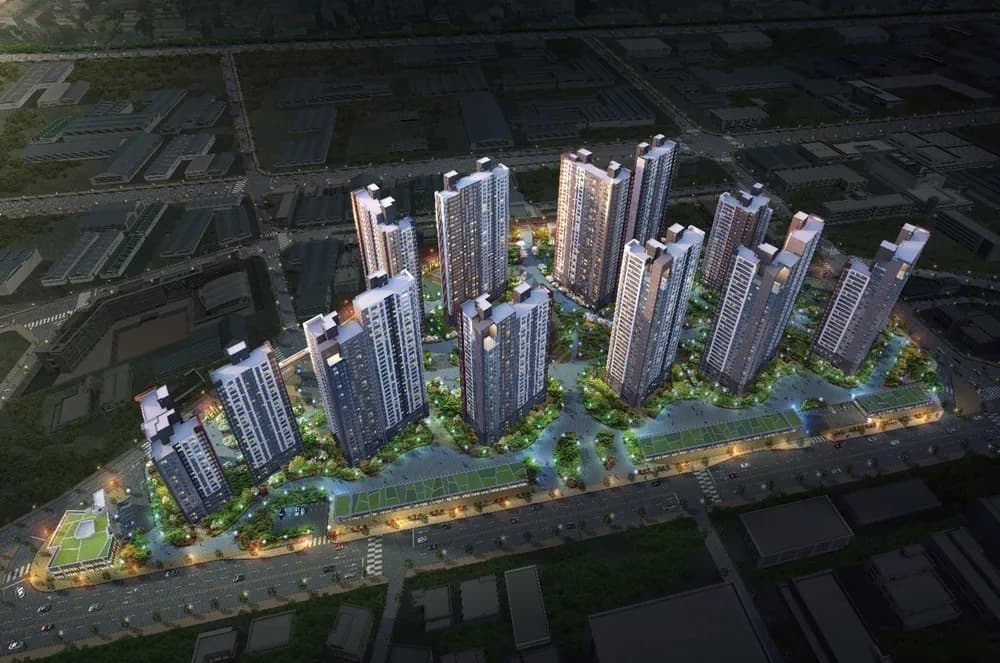
Busan, South Korea — The real estate market in Busan is facing significant challenges as of August 2024, due to a combination of economic pressures, demographic shifts, and an oversupply of new apartment units. These factors contribute to a complex and uncertain outlook for the city's property market, raising concerns among investors, homeowners, and policymakers. The situation in Busan contrasts sharply with the bullish market trends seen in Seoul, highlighting the divergent fortunes of South Korea's major cities.
Busan continues to struggle with a declining population, particularly among younger residents who are relocating to other regions in search of better job opportunities. This demographic shift is leading to reduced demand for housing, exacerbating the downward pressure on property values across the city. As more residents leave, the demand for apartments decreases, further weakening the market.
The impact of the population decline is evident in Busan's real estate market, where property prices and transaction volumes have both seen significant decreases. The average price per square meter for apartments in Busan's city center is approximately 978,474 KRW, with even lower prices in areas outside the center. This decline in prices is a direct result of the weakened demand, which has led to an increasing number of unsold units, particularly in newly developed areas.
A major factor contributing to the market's struggles is the significant increase in new apartment supply expected in September 2024. According to real estate platform Zigbang, nationwide apartment supply will total 23,438 units, with over half (13,709 units) being supplied outside the capital region. Among these, Busan leads with 5,939 units, the highest of any city in South Korea. This surge is largely driven by the completion of large redevelopment projects, such as the 4,043-unit Raemian Forestate in Dongnae-gu, which is set to be the largest development to hit the market in recent years.
However, the market's ability to absorb these new units is in question. For example, in Saha-gu, the Jungang Heights The Hill complex at Sinpyeong Station has a total of 185 units, of which 179 remain unsold, leaving 96% of the units vacant. Similarly, in Geumjeong-gu, the Asensia The Plus complex has 68 units, with 65 still unsold. These high vacancy rates highlight the severe challenges facing the local real estate market.
In stark contrast to Busan, Seoul's real estate market is experiencing a notable resurgence. Home prices in Seoul have risen at the fastest pace in more than four years, with a 0.76% increase in July 2024 alone. This surge in prices is largely driven by growing demand in areas undergoing or planned for redevelopment, resulting in more transactions at record-high prices.
Seoul's office market also shows resilience despite a challenging financing environment. Significant investments have continued in the city, with several mega-deals closing, reflecting sustained demand for prime office spaces. This trend indicates that both residential and commercial real estate in Seoul remain attractive to investors, further bolstering the city’s market dynamics.
Seoul and Busan are currently experiencing quite different trends in their real estate markets. In Seoul, property prices are rising rapidly, driven by strong investor confidence and ongoing redevelopment projects. This demand has pushed prices to new highs, creating a bullish outlook for the market. On the other hand, Busan is facing declining or stagnant property values. The city is struggling with weak demand, largely due to a declining population, which has led to an oversupply of housing. As a result, Busan's real estate market is under considerable pressure, with challenges that are likely to persist in the foreseeable future. These contrasting dynamics highlight the varied challenges and opportunities within South Korea's real estate markets. While Seoul thrives on economic growth and investment, Busan faces structural issues that continue to weigh down its market.
As younger residents migrate to other regions for better opportunities, Busan faces the dual challenge of sustaining economic growth while addressing the needs of its growing elderly population. This situation necessitates strategic planning and innovation, aiming to transform Busan into a city that not only adapts to its aging demographic but also creates opportunities for future generations to thrive.
Continue this reporting
Reporting on the same issue
Related coverage selected from the article's desk, topics and newsroom relationships.
 NewsOct 16, 2026
What Is Still Worth Going to See?
Busan’s biennale faces questions of artistic judgment and institutional care....
 NewsOct 14, 2026
What Became of Busan’s University Streets?
From 2015 to 2023, registered businesses grew near Pusan National University...
 NewsOct 12, 2026
Bukangi, the Shark That Stayed in Busan’s North Port
A rescue net guided Bukangi toward the sea, but the dusky shark returned to B...
More from the author
More from this byline
Stay with the same line of reporting through more work from this byline.
 NewsOct 9, 2026
Why “Busan Is Good” Falls Short as a City Brand
 NewsSep 18, 2026
The Other AI Race Is for the Freedom to Change Course
Reader Signal
Community readWhat did this report leave you with?
Choose the signal that best reflects your reading. Select it again to remove it.
One response per article
No response selected
A moderated conversation about the reporting.
One-level replies and newsroom moderation keep the conversation anchored to this article.
Discussion Status
Open
Please sign in to join the discussion.
Newsletter
Weekly reporting and context from Busan and Korea.