Busan's Landmark Tower to Transform North Port into a Global Hub
Busan, South Korea - Busan is set to redefine its skyline and urban identity with the announcement of a groundbreaking development project. The city revealed plans for the "Busan Landmark Tower," a towering mixed-use complex in the North Port redevelopment area, a move that positions the city as a future hub for culture, tourism, and global business. The project, estimated to cost 4.5 trillion won ($3.4 billion), will feature three 88-story towers with an array of facilities, from high-end hote

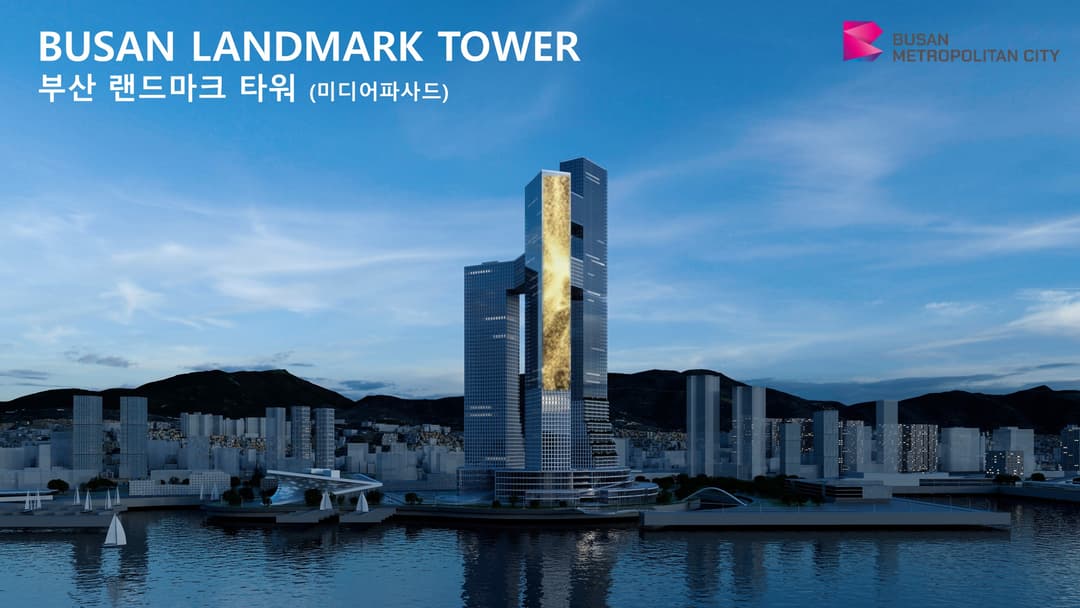
Busan, South Korea - Busan is set to redefine its skyline and urban identity with the announcement of a groundbreaking development project. The city revealed plans for the "Busan Landmark Tower," a towering mixed-use complex in the North Port redevelopment area, a move that positions the city as a future hub for culture, tourism, and global business.
The project, estimated to cost 4.5 trillion won ($3.4 billion), will feature three 88-story towers with an array of facilities, from high-end hotels and shopping malls to a state-of-the-art cultural arena and AI-powered healthcare centers. It is slated to break ground in 2026, with completion targeted by 2030.
The Landmark Tower will stand at the heart of North Port's Phase 1 redevelopment zone, a 113,285-square-meter area designated as a special planning district. Despite two prior failed bids to attract developers, Busan’s persistence paid off with the successful formation of an international consortium led by Hyundai Asset Management, Actis, Daewoo E&C, and tech giants Samsung Electronics and Qualcomm.
The project’s vision extends beyond architecture. Mayor Park Heong-joon emphasized its significance, describing it as “the starting point of a transformative journey for North Port and a cornerstone of Busan’s future.” The redevelopment aims to create a vibrant “New Town” that seamlessly integrates nature, culture, and advanced technology.
The proposed design reflects a balance between modern urbanism and ecological harmony. The three towers will be connected by "sky bridges," creating a unique silhouette on Busan’s skyline. Samsung Electronics plans to equip the building’s façade with a massive media display, blending technology with artistry.
The development also prioritizes green spaces, offering accessible outdoor areas and stunning views of Busan’s coastline. With facilities such as a 2,000-room luxury hotel, performance venues, and a cultural theme park, the project aims to attract both domestic visitors and international tourists.
The Landmark Tower is expected to significantly boost Busan’s economy. From creating construction jobs to driving tourism, the project represents a major step forward for the city. Moreover, its cultural and recreational features, such as an arena for large-scale performances and a cutting-edge AI healthcare center, promise to enhance quality of life and attract a younger demographic to the area.
Officials also anticipate a synergistic effect with other major developments, including the upcoming Gadeokdo International Airport and the BuTX express rail connecting the airport to North Port. Together, these initiatives are designed to cement Busan’s status as a gateway city in Asia.
The project’s consortium boasts a diverse range of international stakeholders, including British investment firm Actis and domestic giants like Hyundai Asset Management. Samsung Electronics’ involvement brings a technological edge, while Qualcomm’s AI expertise underscores the project’s futuristic appeal.
Notably, the development has garnered attention from potential global partners, such as Singapore-based CCGI, which has expressed interest in joining the venture.
The Busan Landmark Tower is set to become a multifaceted hub of activity and innovation, catering to a diverse range of needs and interests. At the heart of its offerings will be over 2,000 hotel rooms, providing accommodations for tourists and business travelers alike. These facilities aim to meet the demands of an ever-growing influx of visitors, enhancing Busan’s reputation as a global destination.
A state-of-the-art cultural arena will take center stage in the development, equipped to host world-class performances and events. Complementing this will be an AI-powered healthcare hub, offering cutting-edge medical services that blend advanced technology with personalized care.
For recreation, the Landmark Tower will feature a stunning sky park, a green oasis elevated above the city, where residents and tourists can take in panoramic views of the urban landscape and Busan’s picturesque coastline. The complex will also house themed shopping malls and immersive cultural attractions, creating a dynamic entertainment destination that appeals to a broad spectrum of audiences.
This ambitious project seeks to integrate seamlessly with Busan’s existing landmarks, such as the Opera House, enhancing the city’s overall cultural and recreational landscape.
In addition to its economic and cultural contributions, the development places a strong emphasis on community and environmental sustainability. Pedestrian-friendly zones and green spaces are key aspects of the design, fostering a harmonious balance between urban living and nature. These thoughtful elements ensure that the Busan Landmark Tower is not only an iconic structure but also a welcoming space where people can connect, relax, and thrive amidst the vibrant energy of the city and its natural coastal beauty.
Continue this reporting
Reporting on the same issue
Related coverage selected from the article's desk, topics and newsroom relationships.
 NewsOct 16, 2026
What Is Still Worth Going to See?
Busan’s biennale faces questions of artistic judgment and institutional care....
 NewsOct 14, 2026
What Became of Busan’s University Streets?
From 2015 to 2023, registered businesses grew near Pusan National University...
 NewsOct 12, 2026
Bukangi, the Shark That Stayed in Busan’s North Port
A rescue net guided Bukangi toward the sea, but the dusky shark returned to B...
More from the author
More from this byline
Stay with the same line of reporting through more work from this byline.
 NewsOct 9, 2026
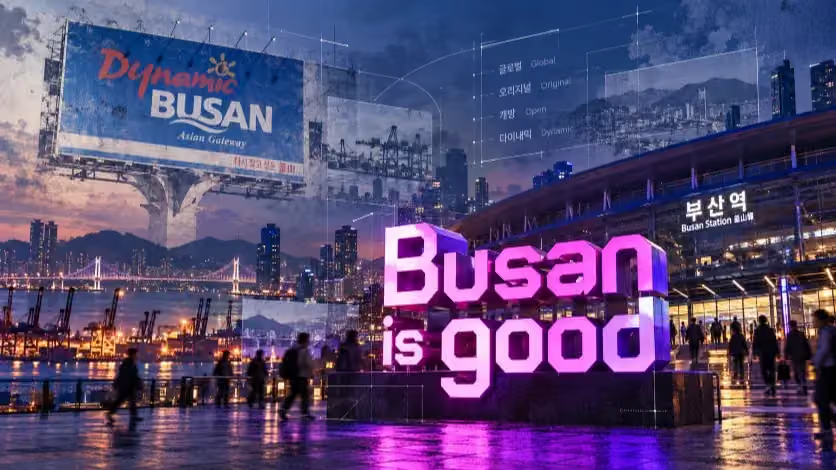
Why “Busan Is Good” Falls Short as a City Brand
 NewsSep 18, 2026
The Other AI Race Is for the Freedom to Change Course
Reader Signal
Community readWhat did this report leave you with?
Choose the signal that best reflects your reading. Select it again to remove it.
One response per article
No response selected
A moderated conversation about the reporting.
One-level replies and newsroom moderation keep the conversation anchored to this article.
Discussion Status
Open
Please sign in to join the discussion.
Newsletter
Weekly reporting and context from Busan and Korea.