Busan’s Hadan-Noksan Line Receives Approval Amidst Geotechnical Challenges
Busan, South Korea — The Hadan-Noksan Line construction project has officially received final approval from the Ministry of Land, Infrastructure, and Transport. The ambitious project will extend for 13.47 kilometers, connecting Hadan Station with the Noksan National Industrial Complex via Myeongji International New Town. The line is expected to significantly improve public transportation in western Busan and boost the region’s economic growth. With construction set to begin in 2026, the project

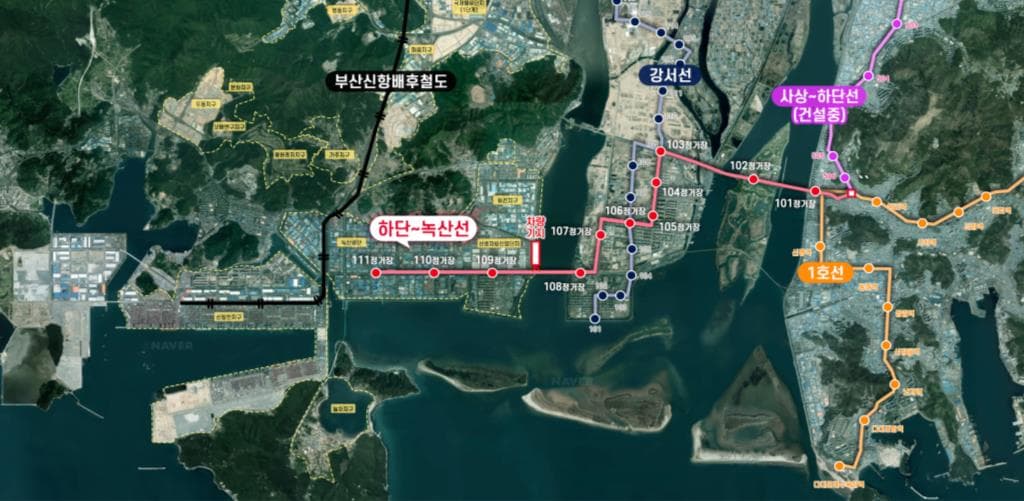
Busan, South Korea — The Hadan-Noksan Line construction project has officially received final approval from the Ministry of Land, Infrastructure, and Transport. The ambitious project will extend for 13.47 kilometers, connecting Hadan Station with the Noksan National Industrial Complex via Myeongji International New Town. The line is expected to significantly improve public transportation in western Busan and boost the region’s economic growth. With construction set to begin in 2026, the project aims for completion by 2029.
The total project cost has been confirmed at 1.4489 trillion KRW, with a portion of the line being undergrounded through Myeongji New Town, which contributed to the budget increase from the original estimate of 1.1265 trillion KRW.
The Hadan-Noksan Line is positioned as a transformative development for Busan, especially the western areas. By connecting key industrial and residential zones, the project is expected to alleviate traffic congestion, offer sustainable transportation options, and improve commuting times. The line will include 11 stations and a vehicle depot, with trains using the K-AGT (Korean Automated Guideway Transit) light rail system.
Busan’s Mayor Park Heong-joon emphasized the significance of the project: “This line is essential for enhancing the transportation infrastructure in western Busan and will provide safe, efficient public transportation for our citizens. We are committed to starting construction by 2026 and ensuring a timely completion.”
Risks of Delay and Geotechnical Challenges
While the project’s benefits are widely acknowledged, there are growing concerns about potential delays and increased costs. Similar projects in Busan, such as the Bujeon-Masan double-track railway, have faced considerable delays due to geotechnical challenges. A tunnel collapse near the Nakdonggang River and incidents of ground subsidence caused significant delays, pushing back the project’s completion date by more than a year. This case raises concerns that the Hadan-Noksan Line, which shares similar geotechnical risks, may face similar challenges.
Western Busan is known for its soft, compressible soil, which increases the risk of ground instability during underground construction. This was a significant factor in the delay of the Hadan-Sasang Line, another project in the region that experienced extensive delays due to geotechnical difficulties and complex administrative processes. The underground section of the Hadan-Noksan Line, particularly the 2.3-kilometer stretch through Myeongji International New Town, adds an additional layer of complexity. If soil subsidence or other geological issues occur, the project could face significant delays and require costly engineering interventions to stabilize the area.
Financial Implications and Cost Overruns
In addition to the risk of delays, there is concern over the potential for further cost overruns. The project’s budget has already been increased to account for the underground section, rising by over 300 billion KRW from initial estimates. If further geotechnical complications arise, this could lead to additional budget increases. Past projects, such as the Bujeon-Masan railway, have shown that unforeseen complications during construction can escalate costs significantly.
The project’s budget has already increased due to the decision to underground 2.3 kilometers of the line, and further geotechnical complications may push costs even higher. The total cost currently stands at 1.4489 trillion KRW, up from the initial estimate of 1.1265 trillion KRW. Any additional delays could further inflate these figures, creating additional challenges for the city’s finances.
While the long-term benefits of the Hadan-Noksan Line are clear, the short-term impact on local communities could be significant. Construction projects of this scale often lead to traffic disruptions, noise pollution, and safety concerns in the surrounding areas. Local businesses and residents may face inconvenience during the construction period, particularly in areas where underground tunneling will take place. Public hearings and community engagement will be crucial to managing these impacts and addressing the concerns of affected stakeholders.
Despite these challenges, the Hadan-Noksan Line represents a critical piece of Busan’s broader strategy to improve public transportation and reduce car dependency in the city. If managed effectively, the project could serve as a model for other large-scale infrastructure projects in South Korea. The city’s ability to navigate the geotechnical risks and budget constraints will be key to ensuring that the project is completed on time and within budget.
Continue this reporting
Reporting on the same issue
Related coverage selected from the article's desk, topics and newsroom relationships.
 NewsOct 6, 2026
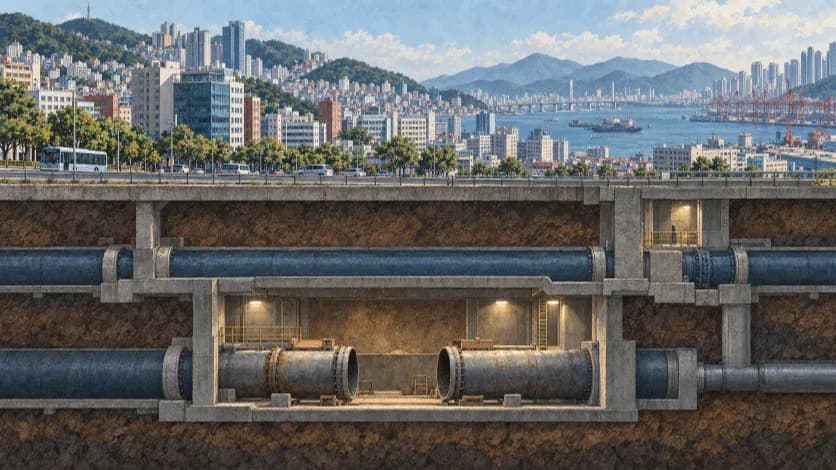
Busan’s Water System Is Entering a Harder Era of Renewal
Busan spent decades building a water system that can absorb major failures. N...
 NewsSep 28, 2026
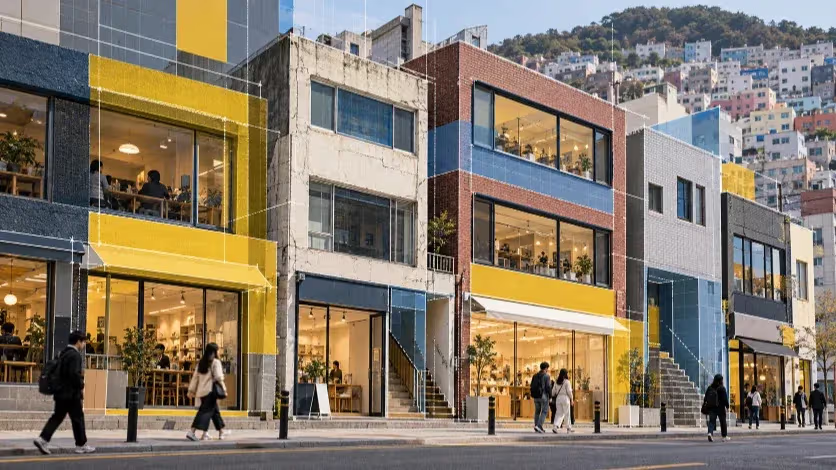
Why Some Commercial Space in Busan Is Hard to Reuse
Two empty commercial spaces exposed to the same broader economy can have very...
 NewsSep 20, 2026
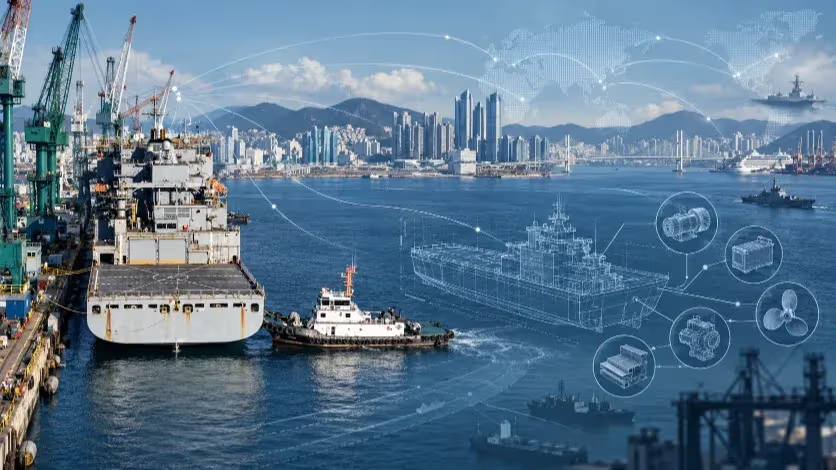
What It Takes for U.S. Navy Repair Work to Become a Busan Industry
HJ Shipbuilding has brought U.S. Navy maintenance work to Yeongdo. Whether it...
More from the author
More from this byline
Stay with the same line of reporting through more work from this byline.
 NewsSep 18, 2026
The Other AI Race Is for the Freedom to Change Course
 NewsSep 5, 2026
How a Political Appointment Becomes a Judgment of Character
Reader Signal
Community readWhat did this report leave you with?
Choose the signal that best reflects your reading. Select it again to remove it.
One response per article
No response selected
A moderated conversation about the reporting.
One-level replies and newsroom moderation keep the conversation anchored to this article.
Discussion Status
Open
Please sign in to join the discussion.
Newsletter
Weekly reporting and context from Busan and Korea.