Busan’s First Rice Harvest Begins Ahead of Chuseok
Busan, South Korea — The first rice harvest of the year in Busan has officially begun, marking a significant moment for the region's agricultural community. On August 26, local farmer Kim Kyung-yang, 71, will start reaping the early-maturing Haedam rice variety in his field in Jukdong-dong, Gangseo-gu District. The harvest comes just in time for Chuseok, South Korea’s major autumn festival, when freshly harvested rice is traditionally used in various ceremonies and feasts. Busan’s rice farming

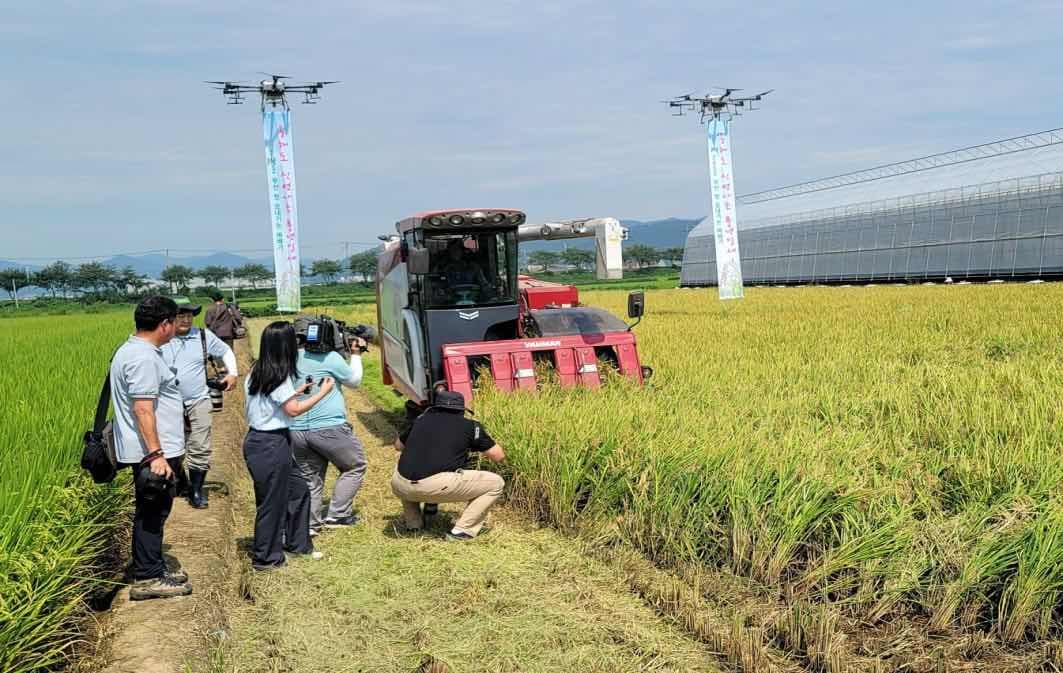
Busan, South Korea — The first rice harvest of the year in Busan has officially begun, marking a significant moment for the region's agricultural community. On August 26, local farmer Kim Kyung-yang, 71, will start reaping the early-maturing Haedam rice variety in his field in Jukdong-dong, Gangseo-gu District. The harvest comes just in time for Chuseok, South Korea’s major autumn festival, when freshly harvested rice is traditionally used in various ceremonies and feasts.
Busan’s rice farming season kicked off on April 22, with the planting of this year’s first crop of Haedam rice, a high-quality variety recognized by the Rural Development Administration. Despite an extended rainy season (jangma) and an increase in pest infestations, local farmers, supported by the Busan Agricultural Technology Center, have managed to cultivate a promising yield. The rice will be dried, milled, and ready for the market just in time for Chuseok, ensuring that it will play a key role in holiday traditions across the region.
Gangseo-gu District, where this harvest is taking place, is one of Busan’s most vital agricultural areas. The district is known for its extensive flatlands, which provide ideal conditions for rice cultivation. These fields, nourished by the Nakdonggang River and blessed with fertile soil, have historically been the heart of Busan’s rice production.
This year's farming season was particularly challenging due to extended periods of rain and high humidity, conditions that are conducive to pest outbreaks. According to officials at the Busan Agricultural Technology Center, the number of pest detections increased significantly compared to the previous year. However, thanks to proactive pest control measures and dedicated field management, the overall outlook for Busan’s rice harvest is positive, with expectations of yields surpassing the average.
Yoo Mi-bok, the head of the Busan Agricultural Technology Center, acknowledged the hardships faced by local farmers. "The falling price of rice and rising costs for agricultural supplies have made this a tough year economically, but our farmers have shown remarkable resilience. We anticipate a bountiful harvest, despite the ongoing challenges posed by unpredictable weather patterns and potential typhoons," she stated.
Rice holds a special place in Korean culture, particularly during Chuseok, when families gather to honor their ancestors with offerings of freshly harvested crops. The Haedam rice, known for its superior quality, is expected to be featured prominently on many ceremonial tables this year.
Busan’s agricultural lands, particularly in the Gangseo-gu District, are known for producing early-maturing rice varieties like Haedam. These crops are often the first to be harvested in the country, setting the stage for the season’s agricultural cycle.
The Busan Agricultural Technology Center has urged farmers to continue their efforts in pest control and water management as the season progresses, ensuring the remainder of the crop is harvested successfully.
Continue this reporting
Reporting on the same issue
Related coverage selected from the article's desk, topics and newsroom relationships.
 NewsOct 16, 2026
What Is Still Worth Going to See?
Busan’s biennale faces questions of artistic judgment and institutional care....
 NewsOct 14, 2026
What Became of Busan’s University Streets?
From 2015 to 2023, registered businesses grew near Pusan National University...
 NewsOct 12, 2026
Bukangi, the Shark That Stayed in Busan’s North Port
A rescue net guided Bukangi toward the sea, but the dusky shark returned to B...
More from the author
More from this byline
Stay with the same line of reporting through more work from this byline.
 NewsOct 9, 2026
Why “Busan Is Good” Falls Short as a City Brand
 NewsSep 18, 2026
The Other AI Race Is for the Freedom to Change Course
Reader Signal
Community readWhat did this report leave you with?
Choose the signal that best reflects your reading. Select it again to remove it.
One response per article
No response selected
A moderated conversation about the reporting.
One-level replies and newsroom moderation keep the conversation anchored to this article.
Discussion Status
Open
Please sign in to join the discussion.
Newsletter
Weekly reporting and context from Busan and Korea.