Busan's Bold Urban Planning Overhaul Aims to Revitalize the City
Busan, South Korea – In a major move to alleviate urban constraints and stimulate the local economy, Busan city administration has announced a comprehensive review of its long-standing urban planning regulations. This initiative is poised to significantly impact various aspects of city life, from housing and leisure to healthcare and employment. The push for regulatory reform comes in response to persistent requests from residents and basic local governments (BLGs) for more lenient urban planni

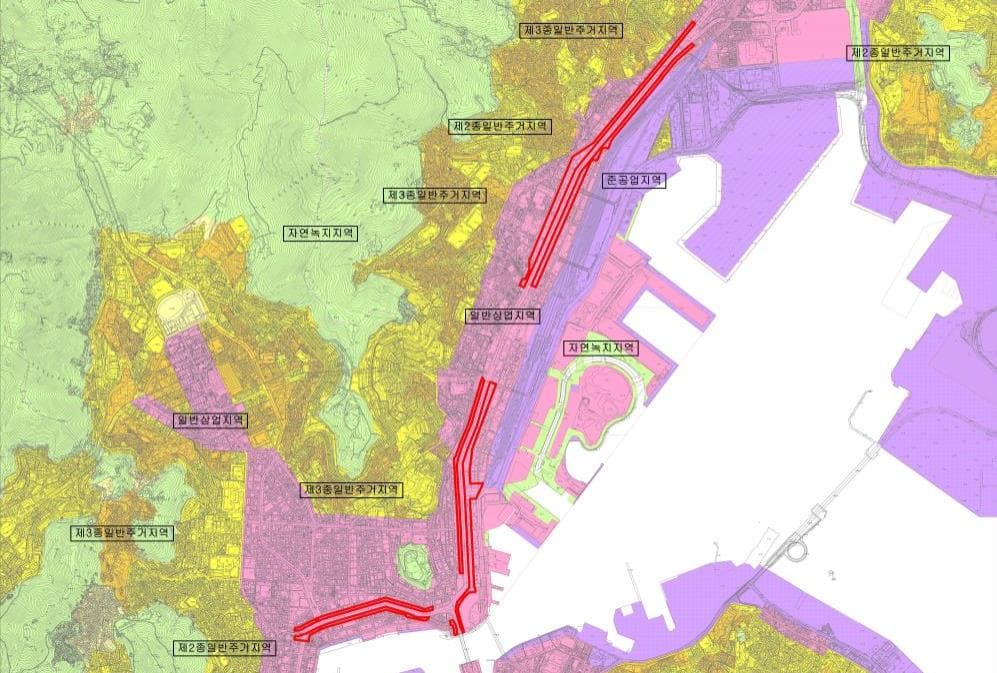
Busan, South Korea – In a major move to alleviate urban constraints and stimulate the local economy, Busan city administration has announced a comprehensive review of its long-standing urban planning regulations. This initiative is poised to significantly impact various aspects of city life, from housing and leisure to healthcare and employment.
The push for regulatory reform comes in response to persistent requests from residents and basic local governments (BLGs) for more lenient urban planning rules. The city's approach involves a thorough re-evaluation of restrictions, particularly those affecting high-altitude zones, which have remained unchanged for over fifty years since their initial designation in 1972.
High-altitude zones, originally intended to protect coastal views and enhance urban aesthetics, are under review to determine whether they still serve their intended purpose or require adjustments. This includes considering the weakening of their initial objectives due to significant developments around these zones, such as large-scale apartment constructions.
One of the key areas of focus is the housing sector, especially around transport hubs. The city plans to relax regulations in commercial districts near transit stations to boost the supply of affordable rental housing for young people through the 'Hope More Housing' initiative. Current restrictions in scenic districts, which do not permit such developments, will be revisited to encourage economic vitality and meet housing demand.
Busan is also addressing challenges in green and semi-industrial zones where apartment rebuilding has been hindered by stringent regulations. Proposed legislative amendments aim to ease these restrictions, thereby facilitating reconstruction projects that could revive these areas and contribute to economic rejuvenation.
In response to the limitations faced by comprehensive hospitals due to the maximum floor-area ratio imposed by different zoning laws, the city plans to explore adjustments in zoning regulations to allow for the expansion of essential medical facilities. This move is crucial, especially in light of the healthcare strains exposed by the COVID-19 pandemic.
Finally, the city is setting out to break away from the residential-centric projects that have dominated its station areas. By proposing a mix of employment, housing, and leisure spaces, Busan aims to create vibrant urban centers that align with modern public transit and urban living trends.
These sweeping changes are expected to enhance the quality of life for Busan's citizens, provide more housing, and stimulate public and private healthcare services. The city plans to finalize these regulatory changes as part of its 2030 Urban Management Plan, following public hearings and city council reviews slated for later this year.
Director of Urban Planning emphasized the need for ongoing adaptation to urban conditions and the phasing out of outdated regulations. He assured that the city is committed to continuously monitoring and updating its urban planning policies to ensure they meet current needs and contribute to the overall vitality of Busan.
Continue this reporting
Reporting on the same issue
Related coverage selected from the article's desk, topics and newsroom relationships.
 NewsOct 16, 2026
What Is Still Worth Going to See?
Busan’s biennale faces questions of artistic judgment and institutional care....
 NewsOct 14, 2026
What Became of Busan’s University Streets?
From 2015 to 2023, registered businesses grew near Pusan National University...
 NewsOct 12, 2026
Bukangi, the Shark That Stayed in Busan’s North Port
A rescue net guided Bukangi toward the sea, but the dusky shark returned to B...
More from the author
More from this byline
Stay with the same line of reporting through more work from this byline.
 NewsOct 9, 2026
Why “Busan Is Good” Falls Short as a City Brand
 NewsSep 18, 2026
The Other AI Race Is for the Freedom to Change Course
Reader Signal
Community readWhat did this report leave you with?
Choose the signal that best reflects your reading. Select it again to remove it.
One response per article
No response selected
A moderated conversation about the reporting.
One-level replies and newsroom moderation keep the conversation anchored to this article.
Discussion Status
Open
Please sign in to join the discussion.
Newsletter
Weekly reporting and context from Busan and Korea.