Busan Unveils Korea’s First Subway ‘Safe Zones’
Busan, South Korea - As cities worldwide search for ways to make urban spaces safer and more comfortable, Busan has taken a pioneering step by introducing the country’s first “Moving Safe Zones” within its subway system. This initiative, developed by Busan’s Autonomous Police Committee in collaboration with the Busan Transportation Corporation, reflects a proactive approach to enhancing commuter safety and comfort. This unique project, the first of its kind in Korea, combines elements of crime p

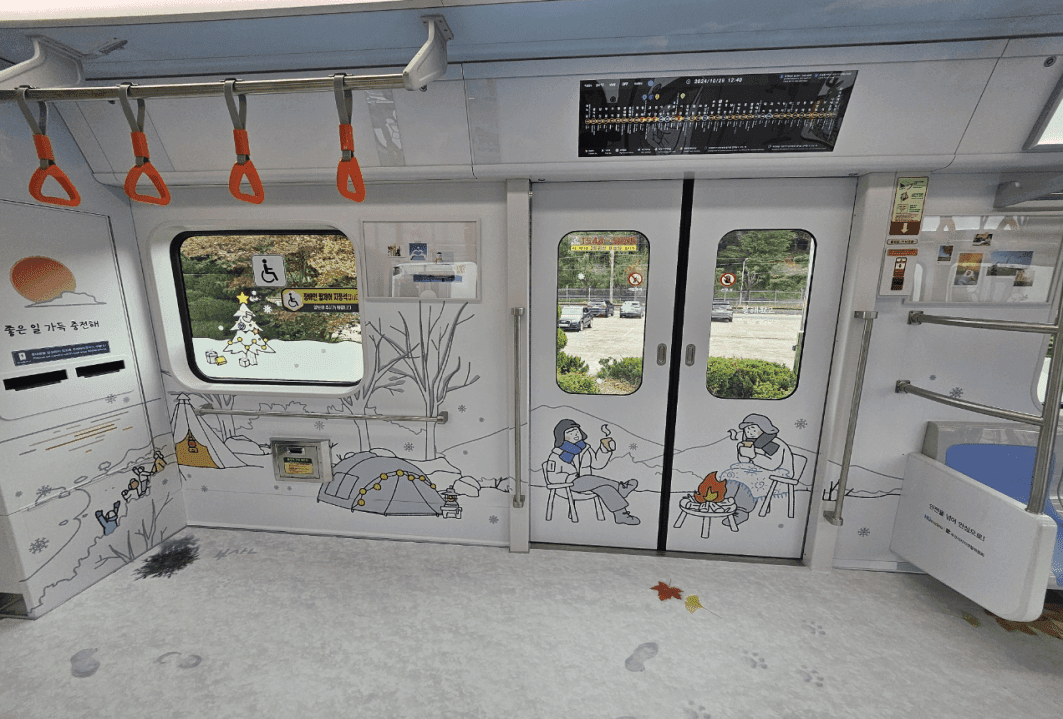
Busan, South Korea - As cities worldwide search for ways to make urban spaces safer and more comfortable, Busan has taken a pioneering step by introducing the country’s first “Moving Safe Zones” within its subway system. This initiative, developed by Busan’s Autonomous Police Committee in collaboration with the Busan Transportation Corporation, reflects a proactive approach to enhancing commuter safety and comfort. This unique project, the first of its kind in Korea, combines elements of crime prevention and stress relief within public transit, redefining how design can support urban safety.
Crime Prevention Through Environmental Design, or CPTED, is an established concept in urban planning that reduces crime by designing spaces to be naturally secure. Widely implemented in cities across North America, Europe, Australia, and parts of Asia, CPTED has gained global traction as a strategy to improve safety and quality of life in urban areas. In cities like Toronto, CPTED principles are integrated into residential and transit areas, while in New York and London, transit stations use design to create clear sightlines and ample lighting, deterring crime and enhancing passenger comfort. This global approach has inspired Busan’s new Moving Safe Zones, which prioritize both security and tranquility.
Busan’s "Moving Safe Zones," launched on subway lines 1 and 2, are unique cars designed specifically to offer passengers a secure and calming space. Each “Safe Zone” is equipped with crime-prevention features like improved visibility, emergency buttons, and clear sightlines, designed to discourage criminal activity. Beyond physical safety, these zones provide a welcoming environment where commuters can rest during their travels, with warm aesthetics and an emphasis on psychological comfort. By focusing on CPTED principles, Busan’s Safe Zones offer a double benefit: deterring potential crimes while providing a brief sanctuary from the pressures of daily commuting.
Urban transit systems worldwide grapple with issues of safety and security, especially in densely populated metropolitan areas where crowds are larger, and risks can be higher. Busan’s Safe Zones respond directly to the city’s needs, particularly as local residents expressed concerns after the closure of the subway police unit. This initiative demonstrates Busan’s responsiveness to public safety concerns, aiming to foster an environment where citizens feel protected in their daily travels. By integrating these zones, Busan provides a model for cities around the world looking to enhance safety in public transit.
Busan plans to expand its Safe Zone initiative over time, potentially adding more zones across the subway network and implementing other crime-prevention measures, such as additional lighting, emergency mirrors, and quiet resting spaces. The collaborative effort between Busan’s Autonomous Police Committee, Busan Transportation Corporation, and city officials reflects a community-focused approach, ensuring the project is both well-supported and effective. Additionally, Busan's commitment to safety extends beyond physical infrastructure, with plans for regular joint patrols, expanded anti-crime measures in subway stations, and new safe trading areas for secondhand transactions to further ensure citizens feel secure.
Busan’s adoption of CPTED principles in public transit could inspire other cities in Korea to implement similar initiatives. As urban populations grow, the demand for secure, welcoming public spaces continues to rise, and CPTED provides a framework for achieving these goals. Cities with high commuter density and urban challenges could benefit from the multi-layered approach that Busan is pioneering, where safe design aligns with urban planning and policy efforts. In the future, CPTED could play a key role in global "smart city" projects, aiming to create secure, integrated, and community-centered urban environments.
Continue this reporting
Reporting on the same issue
Related coverage selected from the article's desk, topics and newsroom relationships.
 NewsOct 16, 2026
What Is Still Worth Going to See?
Busan’s biennale faces questions of artistic judgment and institutional care....
 NewsOct 14, 2026
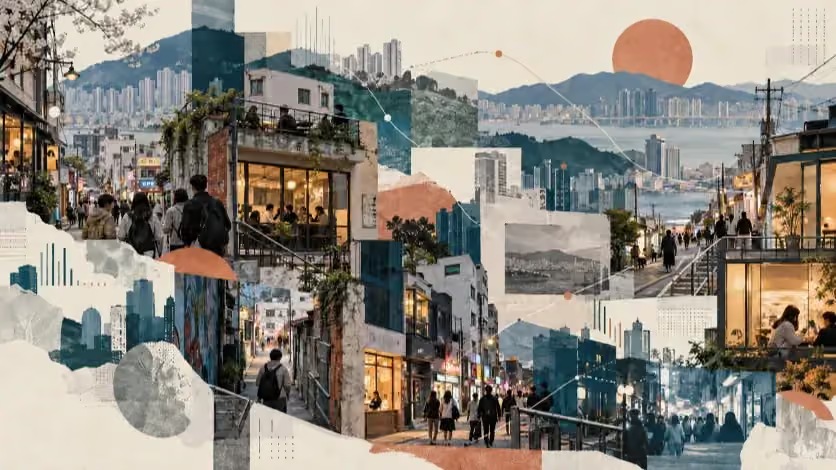
What Became of Busan’s University Streets?
From 2015 to 2023, registered businesses grew near Pusan National University...
 NewsOct 12, 2026
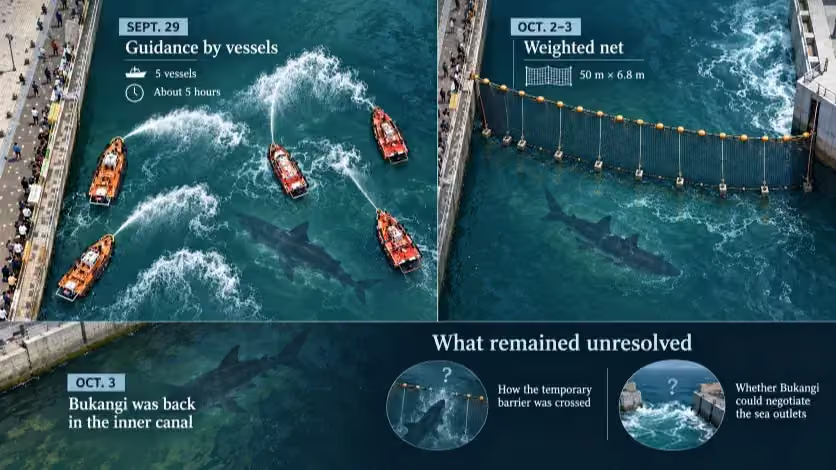
Bukangi, the Shark That Stayed in Busan’s North Port
A rescue net guided Bukangi toward the sea, but the dusky shark returned to B...
More from the author
More from this byline
Stay with the same line of reporting through more work from this byline.
 NewsOct 9, 2026
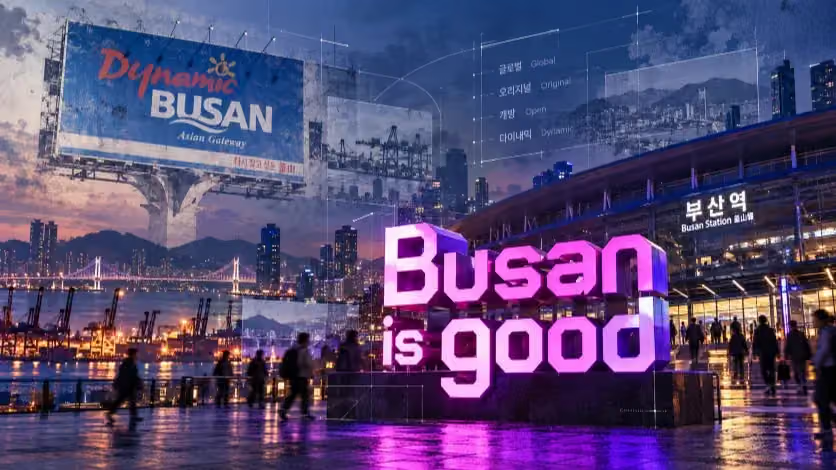
Why “Busan Is Good” Falls Short as a City Brand
 NewsSep 18, 2026
The Other AI Race Is for the Freedom to Change Course
Reader Signal
Community readWhat did this report leave you with?
Choose the signal that best reflects your reading. Select it again to remove it.
One response per article
No response selected
A moderated conversation about the reporting.
One-level replies and newsroom moderation keep the conversation anchored to this article.
Discussion Status
Open
Please sign in to join the discussion.
Newsletter
Weekly reporting and context from Busan and Korea.