Busan Secures 22.5 Billion KRW for New Children's Hospital
Busan, South Korea - Busan has successfully secured 22.5 billion KRW in national funding to cover half of the construction costs for the upcoming Busan Children’s Hospital, part of a broader 48.6 billion KRW project aimed at bolstering the city’s pediatric healthcare services. This new hospital, expected to be completed by 2027, comes at a critical time as South Korea faces nationwide shortages of pediatric specialists and rising demands for advanced child healthcare. South Korea is grappling w

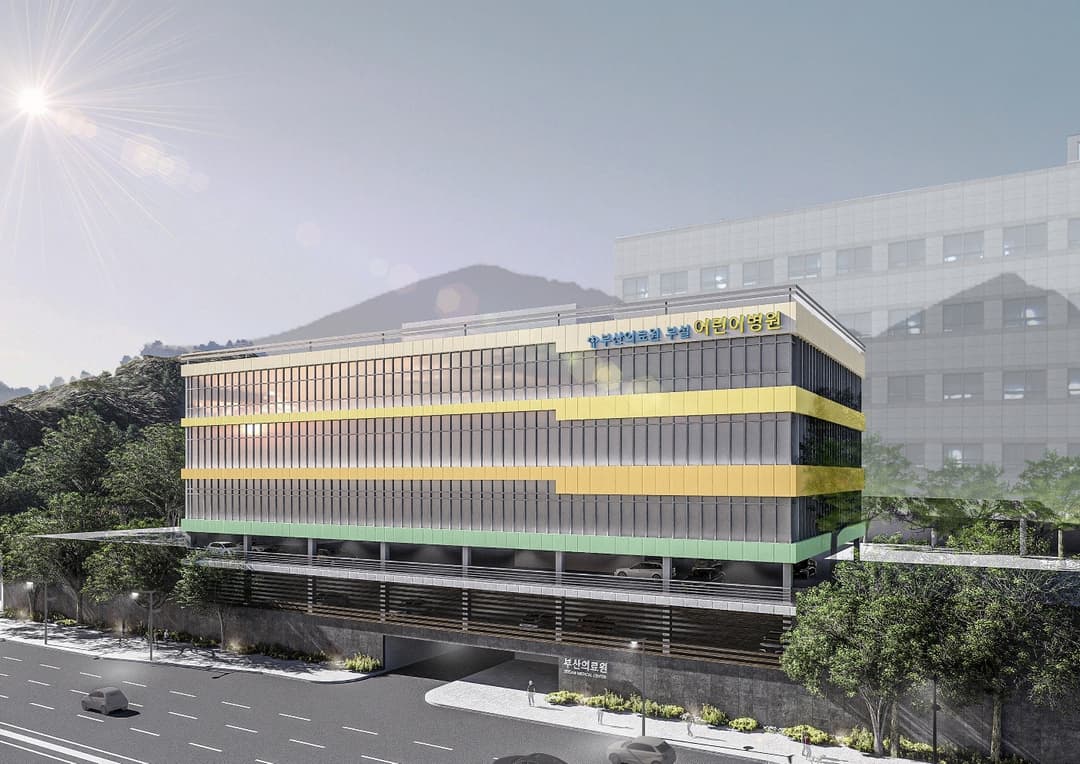
Busan, South Korea - Busan has successfully secured 22.5 billion KRW in national funding to cover half of the construction costs for the upcoming Busan Children’s Hospital, part of a broader 48.6 billion KRW project aimed at bolstering the city’s pediatric healthcare services. This new hospital, expected to be completed by 2027, comes at a critical time as South Korea faces nationwide shortages of pediatric specialists and rising demands for advanced child healthcare.
South Korea is grappling with a pediatric healthcare crisis, driven largely by a significant drop in birth rates and financial challenges faced by pediatric clinics. In the past five years, over 600 pediatric clinics have closed, and many regions have experienced a growing shortage of pediatric specialists. As fewer medical students choose pediatrics as their specialty, hospitals across the country struggle to meet the needs of children and adolescents. The Korean Pediatric Society has reported on the dire state of pediatric care, stressing that low medical fees and the decline in patient numbers are exacerbating the issue.
Busan’s medical facilities, including Pusan National University Hospital and Inje University Haeundae Paik Hospital, provide comprehensive services, but they are also feeling the strain. The pediatric departments in these hospitals, already operating at capacity, are challenged by the shortage of pediatricians. This situation has led to concerns about the future of pediatric care in Busan, making the Busan Children’s Hospital project a key development in addressing the city's growing needs.
The Busan Children’s Hospital will be located at the Busan Medical Center site in Yeonje-gu. The project has a total budget of 48.6 billion KRW, with 45 billion KRW allocated specifically for construction. Of this, 22.5 billion KRW will be provided through national funding, covering 50% of the total construction costs.
The hospital will have a total floor area of 8,340 square meters, spanning three floors above ground and three underground levels. It will house 50 inpatient beds and a comprehensive range of pediatric departments, including pediatrics, pediatric psychiatry, rehabilitation, pediatric dentistry, and radiology. A key feature will be its 24-hour emergency pediatric care, providing essential services to children in urgent need, particularly those with severe disabilities and chronic conditions.
The Busan Children’s Hospital will fill a significant gap in Busan’s healthcare infrastructure, focusing on pediatric services that private institutions struggle to provide. The hospital will offer specialized care for children with disabilities, chronic illnesses, and those requiring emergency services. Additionally, it will play a crucial role in enhancing the public healthcare system in Busan by bolstering the Busan Medical Center and serving as a hub for critical pediatric services.
Mayor Park Heong-joon has reiterated the importance of building a strong healthcare network that prioritizes children’s health and well-being. The construction of the Busan Children’s Hospital aligns with the city’s vision of creating a more family-friendly environment and improving healthcare access for children of all ages. This project is a significant step toward realizing Busan’s ambition to become a leading “child-rearing-friendly city”.
The hospital’s design and planning phases are set to be completed by 2025, with construction beginning in 2026. The project is slated for completion in 2027, with the hospital expected to open its doors to patients by 2028. The timeline reflects the city’s commitment to pushing forward with this critical healthcare infrastructure project despite the challenges of recruitment and funding.
One of the most pressing challenges is the recruitment of pediatric specialists, an issue that has plagued healthcare systems across South Korea. Busan plans to collaborate with local universities and medical institutions to establish a pipeline for pediatric professionals. Additionally, the city will continue working with national authorities to secure sustained financial and policy support, ensuring the hospital is staffed and equipped to meet the needs of Busan’s children.
The Korean Pediatric Society has voiced concerns about the nationwide shortage of pediatric specialists, emphasizing that expanding infrastructure alone will not solve the problem. The society believes that, while hospitals like Busan Children’s Hospital are necessary, ensuring adequate staffing and sustainable policies will be essential for long-term success.
The announcement of the hospital has been well-received by Busan’s residents, especially parents and healthcare advocates. Many see the new facility as a much-needed addition to the city’s healthcare landscape, offering hope that the region’s pediatric care will improve significantly in the coming years.
With national funding secured and a clear roadmap in place, the project is set to transform healthcare access for children and reinforce Busan’s commitment to being a child-friendly city. However, the success of the hospital will depend on overcoming challenges related to specialist recruitment and ensuring the continued financial support of both the local and national governments.
Continue this reporting
Reporting on the same issue
Related coverage selected from the article's desk, topics and newsroom relationships.
 NewsOct 16, 2026
What Is Still Worth Going to See?
Busan’s biennale faces questions of artistic judgment and institutional care....
 NewsOct 14, 2026
What Became of Busan’s University Streets?
From 2015 to 2023, registered businesses grew near Pusan National University...
 NewsOct 12, 2026
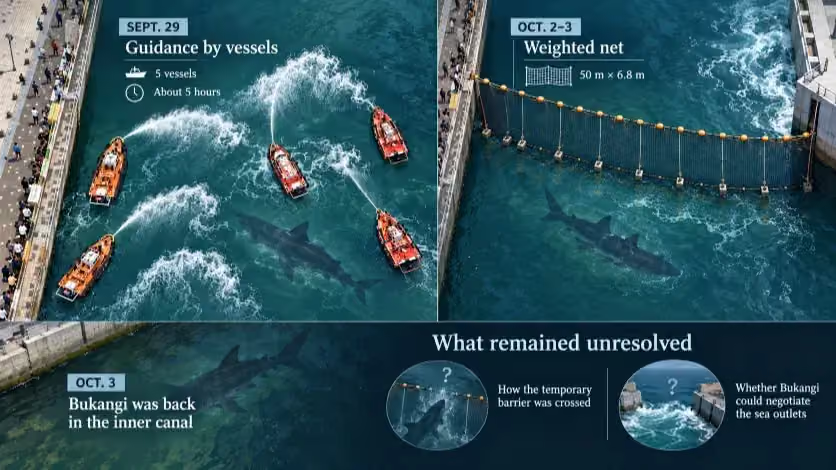
Bukangi, the Shark That Stayed in Busan’s North Port
A rescue net guided Bukangi toward the sea, but the dusky shark returned to B...
More from the author
More from this byline
Stay with the same line of reporting through more work from this byline.
 NewsOct 9, 2026
Why “Busan Is Good” Falls Short as a City Brand
 NewsSep 18, 2026
The Other AI Race Is for the Freedom to Change Course
Reader Signal
Community readWhat did this report leave you with?
Choose the signal that best reflects your reading. Select it again to remove it.
One response per article
No response selected
A moderated conversation about the reporting.
One-level replies and newsroom moderation keep the conversation anchored to this article.
Discussion Status
Open
Please sign in to join the discussion.
Newsletter
Weekly reporting and context from Busan and Korea.